Appetite Enhancer Guide: Safe Ways to Support Eating for Adults and the Elderly
Are You Struggling to Eat Enough?
Loss of appetite can be worrying, especially when it continues for more than a few days or starts affecting weight, strength, energy, or general health. For adults and elderly people, eating less can happen for many reasons, including illness, stress, ageing, medication side effects, digestive issues, or simply losing interest in food.
An appetite enhancer may help in some cases, but it is important to understand what you are taking, why you are taking it, and whether it is suitable for your health needs.
.png)
What Is an Appetite Enhancer?
An appetite enhancer is a product, supplement, syrup, tablet, or prescribed medicine used to help stimulate hunger and encourage better food intake. Some appetite enhancers are designed to support digestion and nutrition, while others are stronger medicines prescribed by a doctor for serious appetite loss.
For many people, the goal is not just to eat more. The real goal is to improve nutrition, maintain a healthy weight, restore energy, and reduce weakness caused by not eating enough.
You can view appetite-support products such as:
Why Do Adults and Elderly People Lose Appetite?
Reduced appetite can be caused by many things. In adults, it may be linked to stress, poor digestion, illness, low mood, medication, nutrient deficiency, or lifestyle changes. In older people, appetite loss can also be connected to reduced taste and smell, dental problems, loneliness, long-term illness, or taking several medicines.
Ongoing appetite loss should not be ignored. If someone is losing weight without trying, feeling weak, skipping meals regularly, or struggling to eat for more than a short period, it is best to speak to a GP or healthcare professional.
Image 2 – Insert after this section:
Image idea: A simple checklist graphic showing causes of appetite loss: medication, illness, stress, ageing, digestion, loneliness.
Alt text: Common reasons for appetite loss in adults and elderly people
How Appetite Enhancer Supplements Work
Appetite enhancer supplements usually support the body in a gentler way. Some may help by improving digestion, supporting energy levels, or helping correct nutritional gaps.
Common nutritional supports include:
Vitamin B1 / Thiamine
Thiamine helps the body release energy from food and supports the nervous system. Low vitamin B1 can contribute to tiredness, weakness, and poor appetite. The NHS explains that thiamine helps convert food into energy and can be used to treat or prevent vitamin B1 deficiency. (nhs.uk)
Zinc
Zinc is important for normal body function, taste, and immune support. If appetite loss is connected with poor taste or deficiency, a healthcare professional may advise zinc supplementation.
Omega-3 / Fish Oil
Omega-3 fatty acids may support general health and wellbeing. For some people, better overall nutrition can help encourage more regular eating.
Herbal and Nutritional Products
Some herbal products are marketed to support digestion, energy, and appetite. These should still be used carefully, especially for elderly people or anyone taking prescribed medicine.
Appetite Enhancer Syrups and Tablets
Some appetite enhancer products come in syrup or tablet form. Syrups can be easier for some people to take, especially those who dislike swallowing tablets.
For example, Adomoo lists Bonaplex Syrup Appetite Stimulant, which is described as useful for children, adults, and the elderly. Adomoo also lists Becoactin Syrup 200ml, described as helping to tone the digestive system, increase appetite, and promote weight gain. (adomoo.com)
Image 3 – Insert product image here:
Insert Bonaplex product image from Adomoo product page.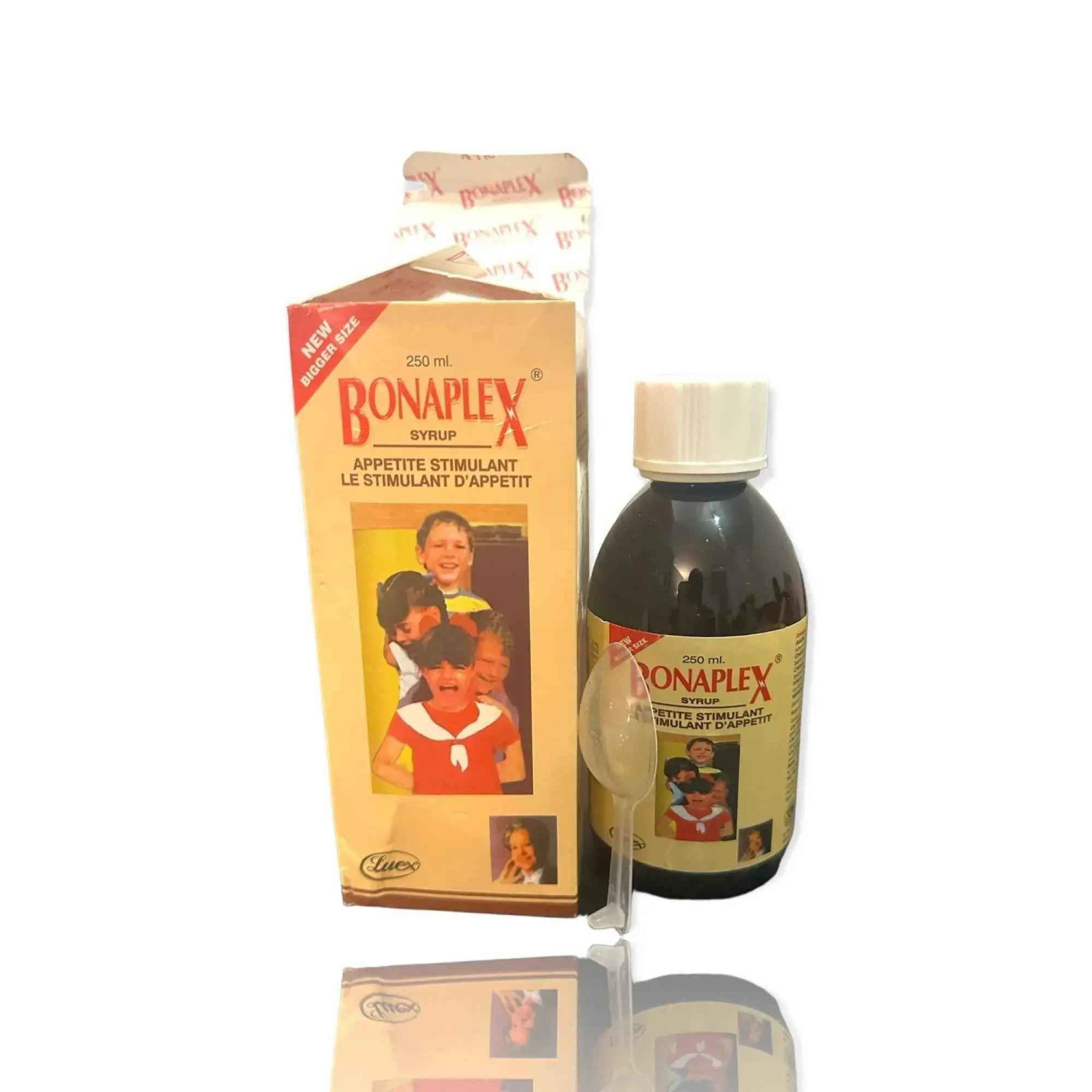
Suggested button:
Shop Bonaplex Syrup on Adomoo
Appetite Enhancer for the Elderly
Appetite loss in elderly people needs extra care. Older adults may be more sensitive to medicines and supplements, especially if they already take medication for blood pressure, diabetes, heart problems, sleep, mood, or pain.
A safe approach may include:
-
Offering smaller meals more often
-
Choosing soft, easy-to-eat foods
-
Adding nutrient-rich foods such as milk, yoghurt, eggs, soups, smoothies, oats, rice, fish, beans, and healthy oils
-
Making meals more enjoyable and social
-
Checking whether medicines are affecting taste, digestion, or hunger
-
Speaking to a GP if weight loss continues
For extra nutritional support, products like Honesty Sales Moringa Powder may be useful as part of a balanced diet, as it is described on Adomoo as a nutrient-dense superfood containing vitamins, minerals, antioxidants, and amino acids. (adomoo.com)

Prescription Appetite Enhancer Medicines
In more serious cases, a doctor may prescribe medication to help appetite. Examples sometimes used in medical settings include mirtazapine, megestrol acetate, or other specialist medicines.
These are not products to start without medical advice. Prescription appetite medications can have side effects. For example, the NHS lists increased appetite and weight gain as possible side effects of mirtazapine, and medical references note that megestrol may increase appetite but can also cause side effects such as fluid retention, high blood pressure, blood sugar issues, and blood clot risk. (nhs.uk)
Because of this, prescription appetite enhancers should only be used under medical supervision.
Supplements vs Prescription Appetite Enhancers
Over-the-counter supplements and syrups may be suitable for mild appetite support, depending on the person’s age, health, and reason for poor appetite. They are often used as a first step when someone wants nutritional support.
Prescription medicines are stronger and may be used when appetite loss is severe, linked to serious illness, or causing significant weight loss. However, they carry higher risks and require professional monitoring.
The best choice depends on the cause of appetite loss. That is why it is important to avoid guessing, especially for elderly people or anyone with diabetes, heart problems, cancer, liver disease, kidney disease, or long-term medication use.
Practical Tips to Improve Appetite Naturally
Before relying only on appetite enhancers, try to build a simple eating routine:
Eat at regular times, even if the meal is small.
Choose favourite foods to make eating more enjoyable.
Add extra calories gently with milk, yoghurt, nut butter, avocado, olive oil, or smoothies.
Drink fluids between meals instead of filling up before eating.
Keep easy snacks available, such as crackers, fruit, yoghurt, custard, nuts, or soft bread.
Make food look and smell appealing.
Eat with others where possible, especially for elderly people living alone.

When to Speak to a Doctor
Speak to a GP or healthcare professional if appetite loss is sudden, severe, or continues for more than a short period. Medical advice is especially important if there is unexplained weight loss, vomiting, swallowing difficulty, pain, confusion, weakness, dehydration, low mood, or signs of malnutrition.
This is even more important for elderly people, children, pregnant women, and anyone taking regular medication.
Conclusion: Choose Appetite Support Safely
An appetite enhancer can be helpful when poor appetite starts affecting nutrition, energy, and weight. Some people may benefit from nutritional support, appetite syrups, or supplements, while others may need medical assessment and prescription treatment.
For everyday appetite support, you can explore selected products on Adomoo, including:
Always read product instructions carefully and seek medical advice where appetite loss is ongoing, unexplained, or affecting health.