
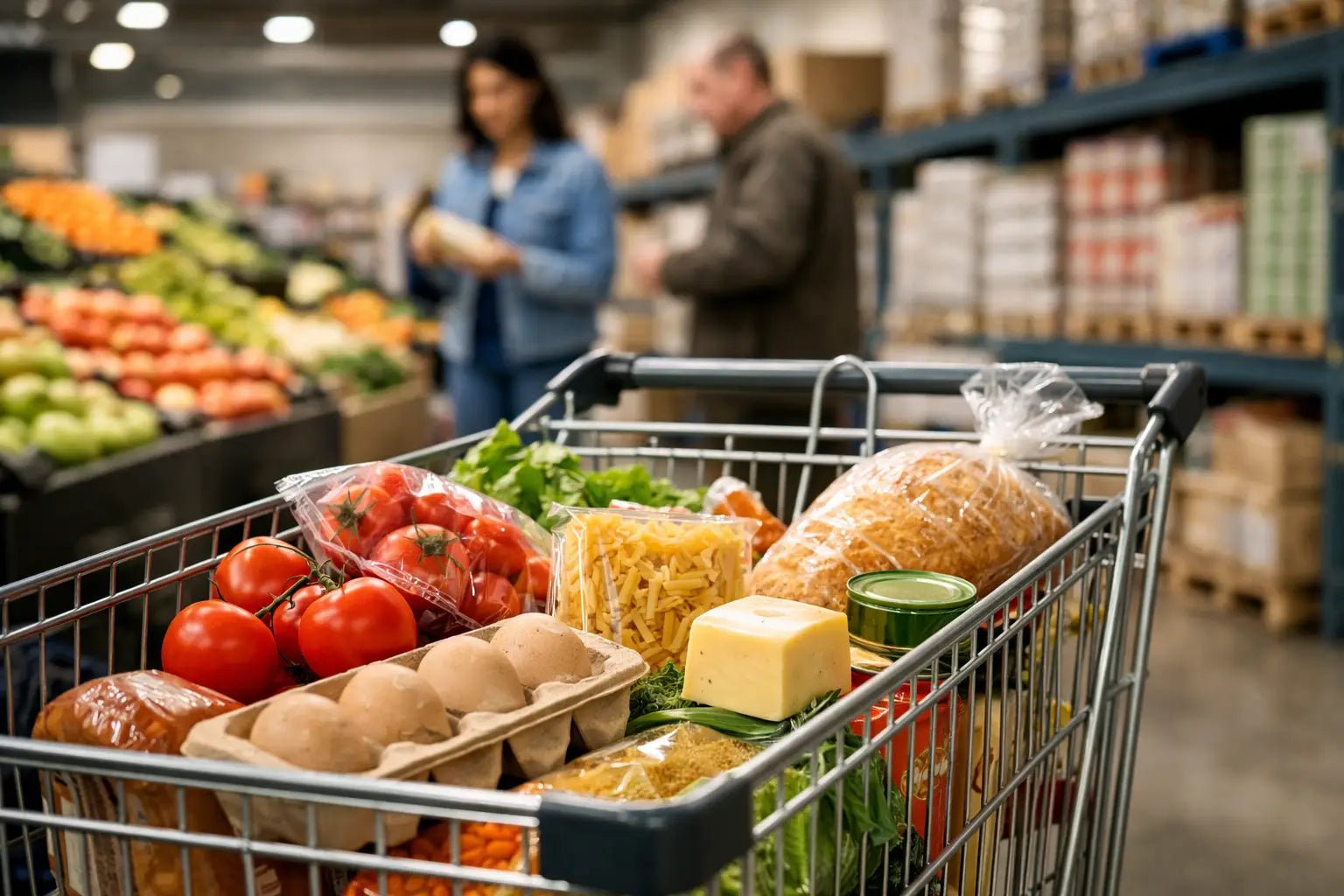
When the weekly shop keeps climbing but the household budget does not, the appeal of a discount grocery marketplace becomes very clear. It gives shoppers one place to buy pantry staples, frozen food, toiletries, household basics and everyday extras without paying premium supermarket prices. For busy families and budget-focused households, that is not a nice extra. It is the difference between staying on top of the essentials and constantly topping up at a higher cost.
A good marketplace model works because it is built around how people actually shop. Most households do not buy groceries in isolation. They also need washing-up liquid, nappies, shampoo, pet food, batteries and often a few practical extras for home or work. Buying all of that from separate retailers takes more time, usually adds more delivery fees, and makes it harder to track where the money is going.
What a discount grocery marketplace offers
At its simplest, a discount grocery marketplace is an online shopping platform focused on low-priced food and household essentials, often alongside a wider range of day-to-day products. The key difference from a standard grocer is breadth. You are not just choosing cereal and pasta. You can often add cleaning products, personal care, baby items, pet supplies, office basics and practical clothing to the same basket.
That wider choice matters because value is not only about the shelf price. It is also about convenience, stock coverage and avoiding multiple orders. If one shop can cover most of what you need for the week, it saves both time and unnecessary spend.
The best versions of this model are designed for repeat buying. They make it easy to find familiar categories, compare product sizes, spot low-price deals and reorder routine items without fuss. For households that buy the same essentials every week, that kind of straightforward shopping experience matters just as much as the headline discount.
Why more shoppers are choosing a discount grocery marketplace
People are more price-aware than they were a few years ago, and not only on big purchases. Everyday spending is under closer scrutiny. A pound saved on cupboard staples, toiletries and cleaning products adds up quickly across a month.
That is one reason online discount-led shopping has become more attractive. It lets buyers compare products clearly, avoid impulse spending in store, and keep better control over the basket total before checkout. For many people, it is easier to make sensible choices when the prices are visible and the categories are organised around practical need.
There is also the convenience factor. A household shop is rarely just food. It often includes school snacks, baby wipes, bin bags, soap, toothpaste and something for the pet. In a supermarket, that can mean a long trip, queueing and carrying everything home. Online, it can be handled in one order from the sofa.
For some shoppers, especially parents, carers and those managing busy work schedules, convenience is not about laziness. It is about getting necessary items sorted without losing half a day.
The real value is in basket building
Single-item discounts catch attention, but the real saving usually comes from the full basket. That is where a discount grocery marketplace can outperform more limited stores. If you can combine pasta, tinned goods, cereal, frozen meals, household cleaning, deodorant, baby products and pet care in one place, the overall order becomes more efficient.
This is especially useful for routine buyers. Rather than making a food order from one shop and then remembering later that you still need washing capsules or toilet roll, you can build one practical order around what the household actually uses. That reduces top-up purchases, and those top-up purchases are often where budgets leak.
It also helps with planning. When categories sit together in one place, it is easier to think through the week or the month properly. You are less likely to forget essentials and less likely to make an extra trip for one or two missed items.
Low prices matter, but trust matters as well
Price gets shoppers through the door, but trust keeps them coming back. That is particularly true when buying groceries and daily essentials online. Customers want to know that what they order will arrive as expected, that issues will be handled fairly, and that the retailer is not building hidden costs into the checkout.
That is why protections such as free shipping, delivery guarantees, straightforward refunds, free returns and price adjustments matter so much. They remove friction from the buying decision. A cheap basket is less appealing if the delivery charge cancels out the saving or if support is difficult when something goes wrong.
For a value-led retailer, reassurance is part of the offer. Shoppers are not looking for a luxury experience. They want honest pricing, dependable fulfilment and clear customer support. If those basics are in place, online grocery buying becomes much easier to repeat.
Who benefits most from this model
Families tend to benefit first because the weekly shop is larger and more varied. A household with children often needs food, drinks, snacks, toiletries, school lunch items, cleaning products and baby essentials at the same time. The ability to buy across departments can save both money and effort.
Budget-conscious adults also gain because marketplace shopping supports comparison. Instead of being steered toward premium labels or in-store promotions that do not always represent the best value, shoppers can focus on practical product choices and pack sizes that suit their budget.
There is also a strong case for small workplaces and trade buyers. If a business needs catering groceries, hand soap, cleaning products, tea, coffee, bin liners, safety wear or office supplies, a broad discount-led platform can reduce sourcing time. It is not only households that need value and convenience.
What to look for in a good discount grocery marketplace
Not every low-price platform offers the same experience. Some are strong on deals but weak on stock consistency. Others have a wide range but make browsing harder than it needs to be. The best option usually gets the basics right.
Start with category depth. A useful platform should cover pantry staples, fresh and frozen groceries, health and beauty, household cleaning and other routine essentials. Then look at whether it also supports the extra items that make one-stop shopping worthwhile, such as baby products, pet care, clothing or workwear.
Next comes pricing clarity. Discounts should be easy to understand, and checkout costs should not come as a surprise. Delivery terms, returns and refund policies should be visible and simple.
Then there is fulfilment. Fast promises are helpful, but reliability matters more. Most shoppers would rather have a realistic delivery window that is met than a bold promise that slips.
Finally, consider ease of repeat ordering. A marketplace built for real households should make regular shopping feel manageable, not complicated. Clear navigation, broad product coverage and sensible customer protections all play a part.
Why this model fits everyday life
The strongest point of a discount grocery marketplace is that it reflects everyday buying habits better than a narrow specialist shop. Real households do not split their lives into tidy retail categories. They run out of tea bags, shampoo, kitchen roll and pet treats all in the same week. A platform that brings those needs together is simply more practical.
That practicality becomes even more valuable when budgets are tight. Shoppers are not only looking for low prices. They are looking for fewer wasted trips, fewer separate orders and fewer chances to overspend. Value is about total cost, total time and total effort.
That is why a family-run, value-focused retailer such as Honesty Sales can make sense for regular buyers. The offer is straightforward - low prices, broad choice, free shipping, customer protections and a shopping experience built around essentials rather than extras.
A discount grocery marketplace will not replace every type of shopping for every customer. Some people will still want local top-up visits for last-minute fresh items, and some branded products may vary by seller or availability. But for the bulk of routine buying, the model solves a very common problem: how to get more of what you need without spending more than you planned.
For households trying to make the weekly budget go further, that is not a trend. It is a practical way to shop better.

