
A forgotten bag of salad, half a loaf going stale and vegetables pushed to the back of the fridge can quietly add up to pounds in the bin. Learning how to reduce food waste is one of the simplest ways to make the weekly shop stretch further, without buying expensive gadgets or eating the same meal every night.
For busy households, the answer is not perfect planning. It is a few reliable habits that make food easier to see, store and use before it is past its best. Start with what you already have, shop for the gaps, and give leftovers a clear job rather than hoping they will get eaten.
How to reduce food waste before you shop
Most avoidable waste begins before the basket is filled. A low price is only a saving if the food gets used. Multi-packs, large bags and yellow-sticker reductions can be excellent value, but only when they suit the number of people eating at home and the week ahead.
Before placing an order or heading to the shops, check the fridge, freezer and cupboards. You do not need a full inventory. Look for the items that need using first: open dairy products, soft fruit, salad leaves, cooked rice, bread, fresh herbs and vegetables. Build two or three meals around these foods, then make a short list for everything else.
It also helps to plan for real life, not an ideal week. If you have late shifts, school events, a weekend away or a meal out planned, buy fewer fresh ingredients. Keep a few freezer and cupboard staples for the nights when plans change. Tinned tomatoes, beans, pasta, frozen vegetables, soup and long-life milk can turn a missed meal plan into a quick dinner rather than a takeaway followed by wasted fresh food.
A practical shopping list should include quantities, not just meal ideas. Instead of writing “fruit”, write “six bananas and one punnet of berries”. Instead of “veg”, choose the vegetables for specific meals. This is especially useful for smaller households, where large packs can look cheaper but are not always better value.
When comparing prices, check the unit price and think about waste. A larger pack may cost less per kilogram, but a smaller pack can still be the smarter buy if it prevents half of it being thrown away. For families, bigger packs can work well when part is frozen on the day it arrives.
Store food where it lasts best
Good storage buys you time. As soon as the shop is unpacked, put foods with the shortest dates at the front of the fridge or cupboard. Move older items forward and place new items behind them. This simple first-in, first-out system makes it far less likely that food disappears until it is unusable.
Your fridge should be cold enough to keep perishable food safe, ideally between 0°C and 5°C. Keep raw meat and fish covered on the bottom shelf so they cannot drip onto other food. Milk, yoghurt and cooked leftovers are usually best kept inside the fridge rather than in the door, where the temperature changes more often.
Fruit and vegetables need a little more judgement. Salad leaves, berries and herbs tend to last longer when chilled, while bananas, tomatoes and whole onions are generally happier outside the fridge. Potatoes should be kept in a cool, dark place, away from onions. If you find a storage method is not working in your home, change it. Fridge space, room temperature and how quickly your household eats food all matter.
Do not wash berries or salad until you are ready to use them unless the pack says otherwise. Extra moisture can speed up spoilage. If a bag of leaves is starting to wilt, use it in a sandwich, soup, omelette or blended sauce rather than waiting for a perfect salad night.
Freezing is one of the best value tools in the kitchen. Freeze bread in slices, grated cheese in small portions, and cooked meals in labelled containers. You can also freeze ripe bananas for smoothies or baking, herbs in a little water or oil, and spare portions of cooked beans, rice or pasta sauce. Label each item with what it is and the date. Mystery freezer tubs are less likely to be used.
Understand the dates on your food
“Use by” and “best before” mean different things, and knowing the difference prevents safe food being discarded too soon.
A use-by date is about safety. Food should be eaten, cooked or frozen by this date, following the pack instructions. This commonly applies to chilled foods such as meat, fish and prepared meals. Do not rely on smell or appearance alone once a use-by date has passed.
A best-before date is about quality. Many cupboard items, biscuits, cereals, tinned foods and some fruit and vegetables may still be fine after this date if stored correctly. Check the packaging, appearance and smell, then use common sense. Food may not be at its absolute best, but it does not automatically belong in the bin.
Keep a small “use first” area in the fridge and cupboard for foods nearing their date. It can be a shelf, a tray or simply a visible corner. The point is to make tonight’s choice easy.
Make leftovers part of the plan
Leftovers save the most money when they are planned, not treated as an afterthought. When cooking, ask whether tomorrow’s lunch, a freezer portion or a second dinner could come from the same ingredients. If the answer is yes, cook a little extra while the hob and oven are already on.
Roast chicken can become sandwiches, fried rice, wraps or a hearty soup. Extra vegetables can go into a frittata, curry, pasta sauce or traybake. Stale bread can become croutons, breadcrumbs or a savoury bread pudding. Soft fruit works in porridge, yoghurt, smoothies or a quick crumble.
Some of the most useful low-waste meals are flexible rather than recipe-led. A “use-up” pasta, soup, omelette or stir-fry can take small amounts of several ingredients and turn them into a proper meal. Keep a few flavour boosters on hand, such as stock cubes, chopped tomatoes, curry paste, garlic, soy sauce or dried herbs, so random odds and ends do not taste like a compromise.
Cooked leftovers should be cooled and refrigerated promptly, then eaten within the timeframe stated on the original pack or within a couple of days if there is no guidance. Reheat until piping hot, and avoid reheating the same food more than once. If you know it will not be eaten soon, freeze it while it is still fresh.
Reduce waste with a household routine
A ten-minute weekly check can make a noticeable difference to the food bill. Choose a regular time, perhaps before the next grocery order, to look through the fridge, freezer and cupboards. Use up what is open, make space for incoming food and add only genuine gaps to the list.
For households with children, keep snacks and lunchbox foods where they are easy to see and reach. Serve smaller portions first, especially for unfamiliar meals, then offer more if wanted. Food left on a plate cannot always be saved safely, while food left in the serving dish often can.
If you live alone or cook for two, portion sizes deserve extra attention. Buy loose fruit and vegetables where possible, split packs with a friend or neighbour, and freeze half of larger items straight away. Convenience foods can still have a place, particularly on busy days, but choose formats you are likely to finish rather than products bought only for good intentions.
For larger families, batch cooking can cut both waste and weekday stress. Make a double portion of chilli, bolognese, curry or soup, then freeze meal-sized servings. It is often cheaper than buying several separate ready meals, and it means fresh ingredients are used while they are at their best.
When food cannot be eaten
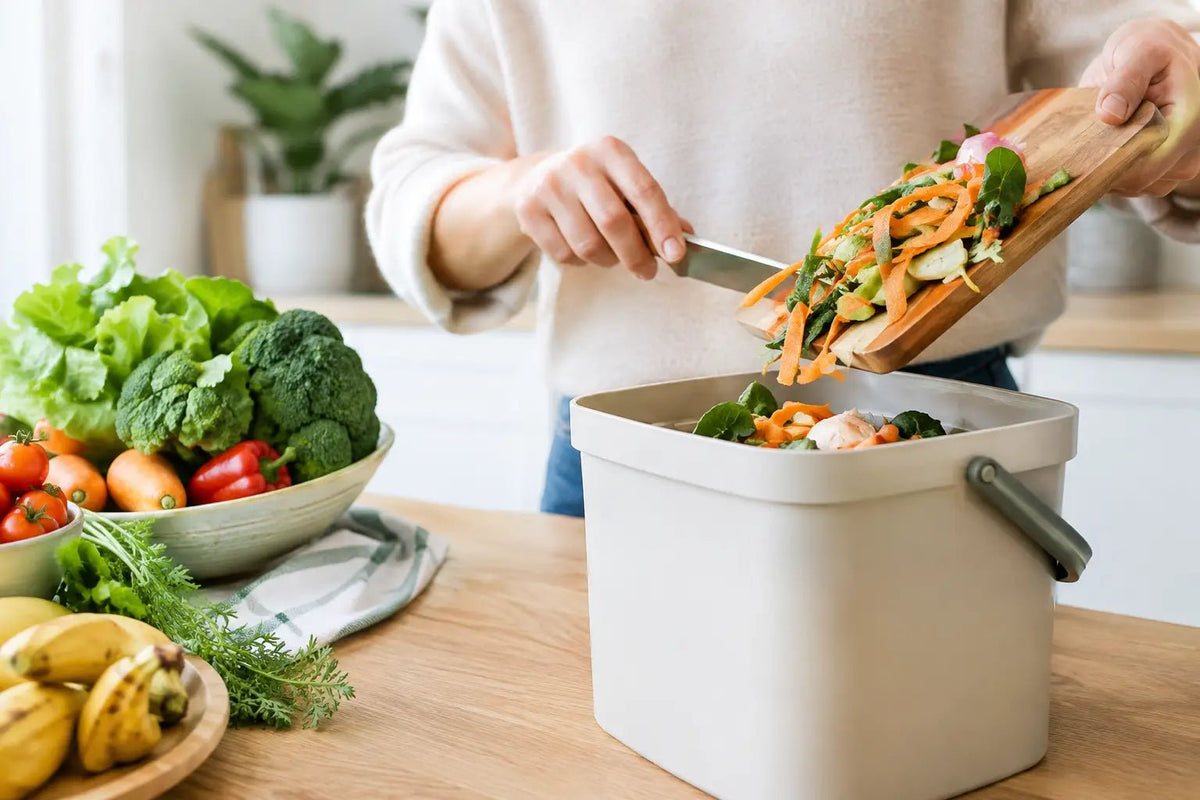
Some waste is unavoidable: peelings, eggshells, tea bags and food that has genuinely spoiled. Where local collections are available, use a food-waste caddy rather than putting these scraps in general rubbish. Home composting can also suit households with a garden, though cooked food and meat need the right type of system.
The bigger win is preventing edible food from becoming waste in the first place. Start with one change this week: move older food to the front, freeze spare bread, or plan one dinner around what is already in the fridge. Small habits protect your grocery budget and make every shop work harder for your household.