
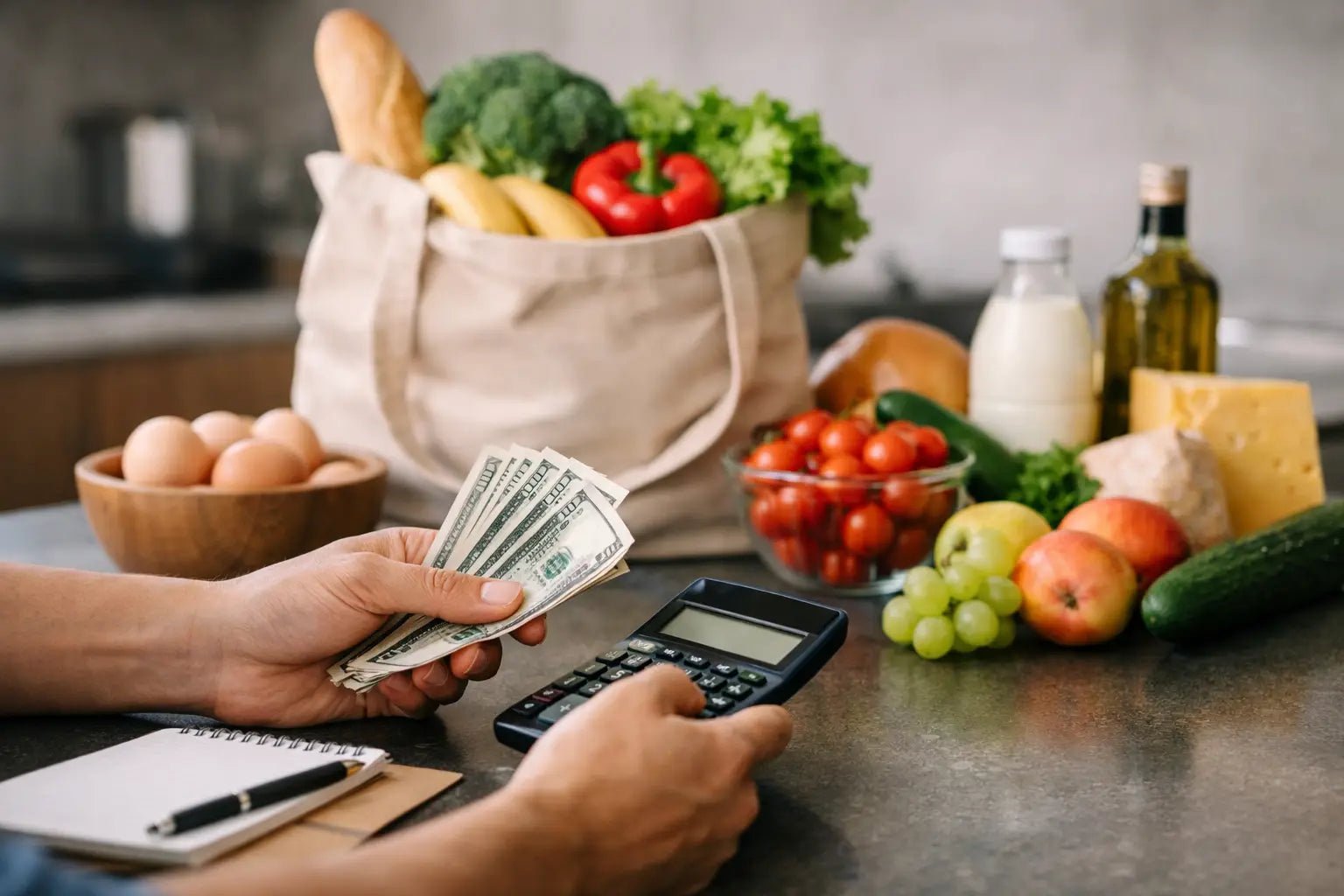
The weekly food shop can rise quickly when a few extras land in the trolley: a meal deal for lunch, a branded cupboard staple, a second trip for something forgotten. Learning how to save money on groceries is less about eating less or buying poor-quality food and more about making a simple plan before you shop. Small changes to how you check, choose and store food can make a real difference to a household budget.
Start with the food you already have
Before writing a shopping list, check the fridge, freezer and cupboards. It sounds obvious, but duplicate purchases are one of the easiest ways to waste money. A half-used bag of rice, three tins of chopped tomatoes or vegetables hidden at the bottom of the freezer can become the basis of several meals.
Plan a few dinners around what needs using first. A roast chicken can cover a main meal, sandwiches and a soup or pasta dish. Soft vegetables can go into a curry, stew or omelette. Fruit that is past its best can still work in porridge, smoothies or baking. This approach reduces waste while taking pressure off the next shop.
Keep a visible running list for essentials as they run out. A note on the fridge or your mobile phone is enough. It is more reliable than trying to remember everything while shopping, and it helps avoid a costly top-up shop later in the week.
How to save money on groceries with a realistic meal plan
A meal plan does not need to be strict or complicated. Choose five or six meals for the week, leaving room for leftovers, a freezer meal or an evening when plans change. The goal is to buy food with a clear purpose, rather than filling the basket with ingredients that may not get used.
Start with meals your household genuinely eats. If the children will not touch lentils, a plan built around lentil recipes is unlikely to save money. Reliable low-cost meals such as jacket potatoes, pasta bakes, stir-fries, soups, curries and traybakes are usually easier to adapt around offers and cupboard ingredients.
Look for overlap between meals. If one recipe uses peppers, plan another meal that uses the rest of the pack. If you buy mince, consider using it for chilli one night and cottage pie another. Buying ingredients that work across several meals makes better use of every pack.
It also helps to plan around your busiest days. Keep quick options for late shifts, school evenings or weekends with activities. A frozen meal, beans on toast or pasta with a simple sauce is often cheaper than ordering a takeaway because there is nothing ready at home.
Shop with a list, but stay flexible on price
A list is your best defence against impulse spending, especially when shopping hungry or in a hurry. Divide it into sections such as fruit and vegetables, chilled food, cupboard items, frozen food and household essentials. That makes it easier to check what you need and less likely that you will miss something.
At the same time, leave room to swap. If your usual vegetables are expensive, choose a lower-priced alternative that fits the meal. Seasonal produce, frozen vegetables and tinned options can all offer better value, depending on the week. A recipe calling for fresh spinach may work just as well with frozen peas or kale.
Price labels are useful when comparing similar products. Check the unit price, usually shown per 100g, kilogram or litre, rather than only the price on the front. A larger pack may look like better value but cost more per unit, or it may be wasteful if it will not be used before its date. The best deal is the pack that offers good value and will actually be eaten.
Choose own-label staples where they make sense
For many everyday items, own-label products can cut costs without changing the meals you make. Pasta, rice, flour, tinned beans, chopped tomatoes, oats, frozen vegetables, herbs and baking ingredients are sensible places to compare. Often, the difference is branding and packaging rather than what the item can do in your cooking.
There are exceptions. You may have a favourite tea, cereal or sauce that your household strongly prefers. That is fine. Saving money works better when it is sustainable, so focus first on easy swaps that nobody will miss. Moving every product to the cheapest option can backfire if food ends up unused.
A useful middle ground is to buy value ranges for cooking ingredients and keep a few preferred branded items for the products that matter most to you. This keeps the shop affordable without making it feel like a compromise every week.
Buy in bulk only when the numbers work
Larger packs can be a good choice for foods with a long shelf life or regular household use. Toilet roll, washing powder, pasta, rice, coffee, pet food and cupboard tins may offer lower unit prices when bought in bigger quantities. Families and shared households can often benefit most from these purchases.
But bulk buying is not automatically a saving. Perishable food can spoil, snacks can disappear faster simply because more are in the house, and a large upfront spend may put pressure on this week's budget. Check the unit price, storage space and likely use before adding a value pack to the basket.
If you are shopping for one or two people, freezing portions can make larger packs more practical. Split meat, bread, cheese or batch-cooked meals into labelled portions before freezing. That gives you convenience as well as less waste.
Make the freezer part of your budget plan
A well-used freezer helps households avoid both waste and expensive last-minute food choices. Frozen fruit and vegetables are often economical, keep for longer and can be added straight to meals. They are particularly useful when fresh produce is likely to go unused before the end of the week.
Freeze leftovers in meal-sized portions, ideally with a label showing what it is and the date. A freezer full of unidentified containers will not save much money. Build a small selection of easy options, such as soup, chilli, cooked mince, bread, vegetables and family meals for busy evenings.
It is worth checking your freezer before each shop. You may already have enough food for several meals, which means you can spend the week topping up fresh items rather than buying a full basket again.
Use offers carefully, not automatically
Special offers can reduce your grocery bill when they match your plan. They can increase it when they tempt you into buying products you would not otherwise choose. A multi-buy only saves money if you need every item, can store it and would have bought it at full price anyway.
Be especially careful with promotions on treats, drinks and short-life chilled food. They are easy to overbuy and easy to waste. For long-life staples, however, a genuine price reduction can be a sensible chance to stock up.
When shopping online, compare products without the pressure of standing in an aisle. You can review quantities, remove extras and check your basket total before paying. Buying groceries and practical household essentials together can also reduce separate trips and make it easier to stick to one planned order. Honesty Sales is designed for this kind of value-focused shopping, bringing everyday categories into one place.
Cut the hidden costs around the grocery shop
The cost of groceries is not only the receipt total. Frequent small trips can lead to extra spending on snacks, drinks and convenience food. Travelling to several shops for individual offers can also cost time and fuel. For many households, one organised order or weekly shop is better value than chasing every possible deal.
Try setting a weekly grocery budget that includes food, packed-lunch items and regular household basics. Review the total after a few weeks, rather than judging one unusual shop. If spending is higher than expected, look for patterns: unused fresh food, branded convenience items, extra trips or meals bought out of the house.
These quick checks before checkout can keep a shop on track:
- Have you checked the fridge, freezer and cupboards first?
- Does every item fit a meal, packed lunch or regular household need?
- Have you compared unit prices on similar products?
- Will a larger pack be used before it goes off?
- Have you left a little room in the budget for a genuine offer or price change?

