
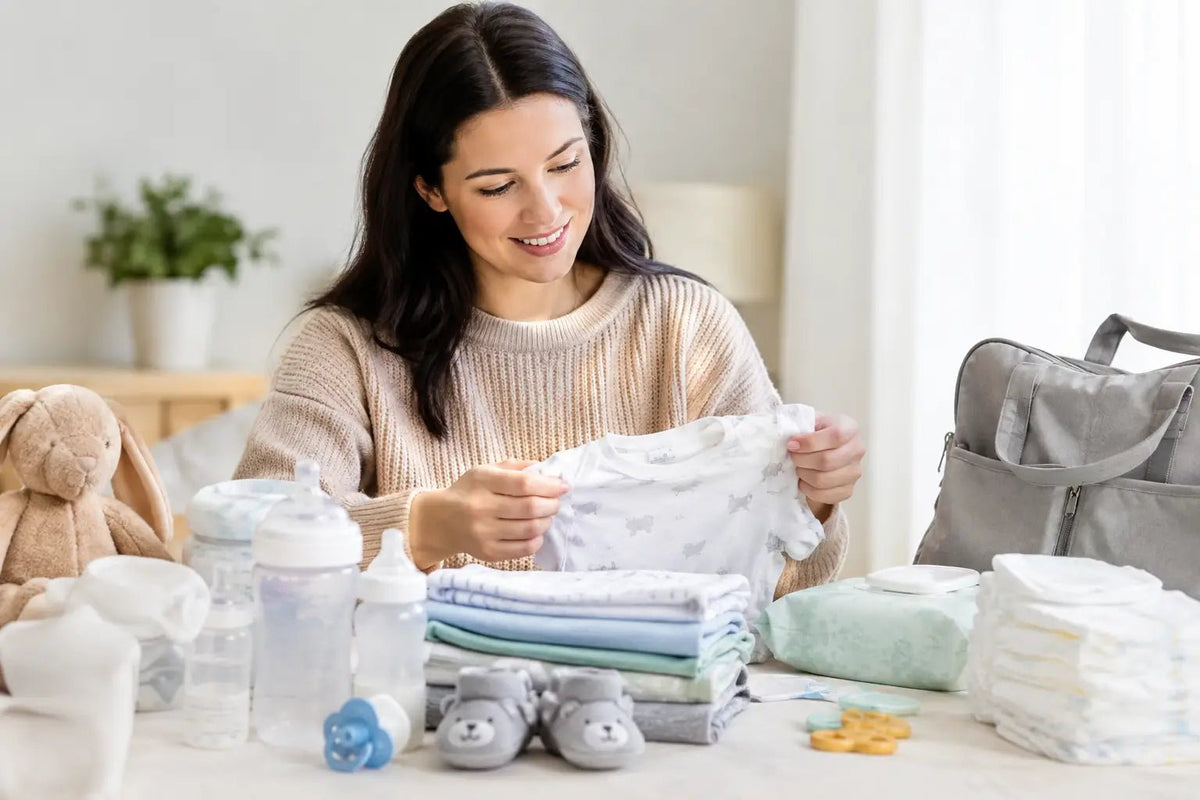
A newborn can need surprisingly little, but the shopping list can still become expensive very quickly. The best answer to which baby products are worth buying is simple: buy the items you will use every day, choose safety where it matters most, and leave the clever-looking extras until you know they suit your family.
For many parents, a practical setup is better value than a nursery full of single-purpose gadgets. Babies grow fast, routines change and preferences can be unpredictable. Spending carefully at the start leaves more room in the budget for the essentials you will keep replacing, from nappies and wipes to formula, laundry detergent and toiletries.
Start with the products that support daily care
A useful baby purchase should do one of three jobs: keep your baby safe, make feeding and changing manageable, or help you get out of the house. If it does none of these and you are not sure when you would use it, it can probably wait.
Safe sleep is worth prioritising
A suitable cot, bedside crib or Moses basket with a firm, flat mattress is one of the most worthwhile purchases you can make. Your choice depends on your space and sleeping arrangements. A compact Moses basket can be convenient in the early weeks, while a cot may offer better long-term value if you have room for it.
You do not need expensive bedding to prepare a safe sleep space. A few fitted sheets and lightweight blankets or suitable sleep bags in the right size are usually enough. Avoid buying pillows, cot bumpers, duvets or loose decorative items for a newborn's sleep area. They may look cosy, but they are not necessary for safe sleep.
A baby monitor can be useful if your baby will sleep in a separate room or you have a larger home. However, it is not an essential purchase for every household, especially in the earliest months when your baby is likely to sleep close by. A basic audio monitor can be enough if you want reassurance without paying for extra features you may not use.
Nappies, wipes and changing supplies earn their place
Nappies are not exciting, but they are one of the clearest examples of a baby product worth buying in sensible quantities. Newborns can use several a day, so having a good supply at home saves last-minute trips to the shops. It is wise not to overstock one size, as babies can outgrow newborn nappies faster than expected.
Fragrance-free baby wipes, cotton wool or reusable washcloths, nappy bags and a barrier cream are similarly useful. A changing mat is worth having because it gives you a wipe-clean surface wherever you need it. A dedicated changing table is optional. It can provide storage and save bending, but a mat placed safely on the floor, bed or a stable surface may be more practical in a smaller home.
Keep essentials together in a basket or caddy if you will be changing your baby in more than one room. This is a low-cost purchase that can make busy days easier.
Feeding basics should match your plan, but stay flexible
If you plan to breastfeed, a couple of comfortable nursing bras, breast pads, muslin cloths and a water bottle for yourself can be more useful than a large collection of specialist equipment. Muslins are particularly good value because they are used for burping, spills, feeding and protecting clothes.
A breast pump is helpful for some families, but not automatically essential before the baby arrives. Some parents use one often, while others barely need it. If you are unsure, consider waiting until feeding is established unless you have a specific reason to express from the start.
For formula feeding, bottles, teats, a bottle brush and a suitable sterilising method are key purchases. Start with a modest number of bottles and see which shape and teat flow your baby accepts. Buying a large, costly set before you know what works can create waste.
High chairs are worth buying later, once your baby is ready for weaning and can sit with appropriate support. Choose one that is stable, easy to clean and has a secure harness. Complicated designs with lots of crevices can become frustrating after a few meals.
Which baby products are worth buying for travel?
A correctly fitted, suitable car seat is a non-negotiable purchase if you will travel by car. It should meet current safety requirements, fit your vehicle and be appropriate for your baby's height and weight. Buying new gives you certainty about its history and condition. Avoid a second-hand car seat unless you completely trust its source and know it has never been in a collision or damaged.
A pram, pushchair or travel system can be a significant expense, so think about your actual routine rather than choosing purely on appearance. Families who walk daily may value sturdy wheels, good storage and weather protection. Those who rely on buses, trains or a small car may need something lighter and easier to fold.
A baby carrier or sling can be excellent value, especially for short walks, soothing a newborn and keeping your hands free at home. It will not suit everyone, but it can reduce the need for a bulky pram on some outings. Make sure your baby is positioned safely and that you are comfortable using it.
A changing bag does not have to be sold as a baby product. Any roomy, washable bag with a few compartments can do the job. Spend more on the items inside it, such as nappies, wipes, spare clothes and feeds, rather than on a branded label.
Buy fewer clothes, but buy the useful ones
Baby clothes are easy to overbuy because they are small and appealing. In reality, a manageable selection of vests, sleepsuits, cardigans, socks, hats for colder weather and a light outer layer will cover most early needs. Choose soft fabrics and easy poppers or zips, particularly for night-time changes.
Babies can grow out of tiny sizes in weeks. It often makes sense to buy a small amount in newborn size and more in 0-3 months. Second-hand clothing can be a sensible way to save money, provided it is clean and in good condition. You may prefer to buy new underwear-style basics, but outer layers are often worn for such a short time that pre-loved options offer good value.
Do not forget practical laundry supplies. Baby-safe detergent, stain remover and a small supply of spare sheets and clothes can be more useful than buying lots of outfits. Accidents happen at inconvenient times, usually when the washing machine is already full.
Products that can wait until you know you need them
Many baby products are useful for some households but not essential from day one. A nappy bin can help contain smells, although ordinary nappy bags and regular rubbish collection work for many families. A bottle warmer may be convenient, but warm water can do the same job with more patience. A white-noise machine may settle one baby and make no difference to another.
You can also wait on baby swings, bouncers, play gyms and specialist bath supports. These may give you a safe place to put your baby down for short periods, but they take up space and have limited use as your child develops. If friends or family ask what you need, these are good items to borrow, buy second-hand where appropriate, or add to a later wish list.
Avoid spending heavily on newborn shoes, elaborate outfits and large quantities of toys. Newborns need comfort, closeness and a few simple things to look at far more than they need a full toy collection.
Make a value-first baby shopping plan
Before placing an order, separate your list into three groups: needed before birth, needed in the first month and useful later. This stops one large shopping trip from becoming a collection of guesses. It also means you can watch for low prices on the products you know you will use repeatedly, particularly nappies, wipes, toiletries and feeding supplies.
Check product sizes, expiry dates where relevant and pack quantities before comparing prices. The lowest shelf price is not always the best deal if the pack is much smaller. For consumables, buying a sensible multipack can reduce the cost per item, but only when you know your baby tolerates the product well.
Honesty Sales brings everyday baby essentials together with household, grocery and personal-care products, which can make routine shopping simpler. Adding the practical items you need alongside the rest of the weekly essentials can save time as well as helping you keep a close eye on the family budget.
The right baby products are the ones that earn their keep at 3am, during a rushed nappy change or on a wet walk home. Start with safe sleep, feeding, changing and transport, then let your baby's needs decide what comes next.

