
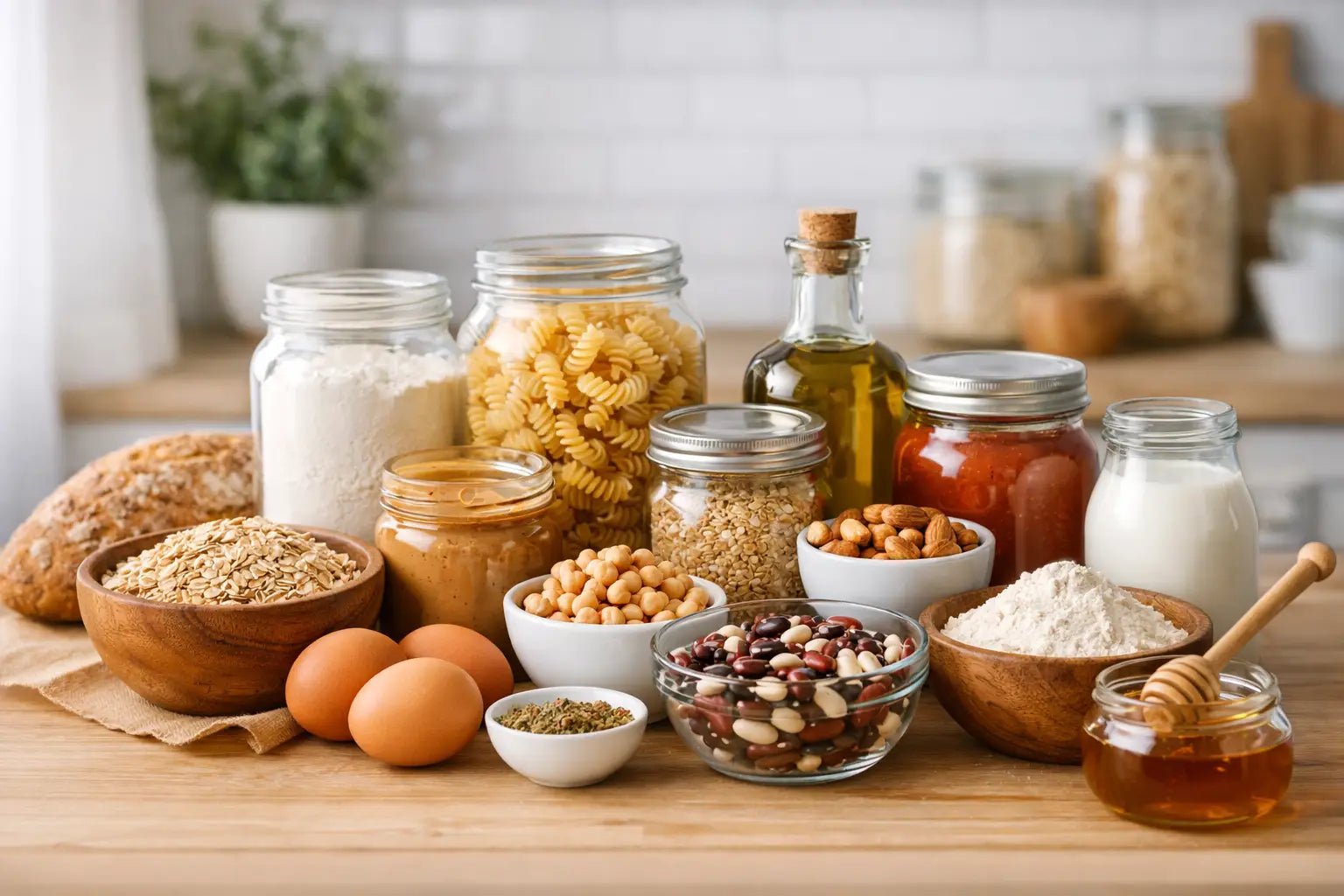
When the cupboard is looking sparse at 5pm and everyone wants dinner now, the right basics make all the difference. The best pantry staples for families are not the fanciest products on the shelf. They are the ones that help you put together quick meals, stretch the weekly budget and keep enough variety in the house so nobody feels like they are eating the same thing every day.
For most households, a good pantry is less about stocking up on everything and more about keeping the right mix of long-life essentials. You want foods that store well, work across more than one meal and can back up fresh shopping when plans change. That matters even more for busy families balancing school runs, work, packed lunches and rising grocery costs.
Why the best pantry staples for families matter
A well-stocked pantry saves money in ways that are easy to miss. It helps reduce last-minute top-up shops, cuts the temptation of pricier takeaway nights and gives you more flexibility when fresh items run low. If you can turn a few tins, grains and sauces into a proper meal, you are already ahead.
It also helps with waste. Fresh food is important, but it has a shorter window. Pantry items give you breathing room. If dinner plans shift or the fridge is emptier than expected, you can still make something filling without starting from scratch.
There is a balance, though. Buying only shelf-stable products can make meals feel repetitive, while overbuying can tie up money in items your family barely uses. The smartest approach is to build your pantry around meals you already cook.
1. Tinned tomatoes
Tinned tomatoes are one of the hardest-working cupboard staples in any family kitchen. They form the base for pasta sauces, chilli, soups, casseroles and homemade pizza sauce. They are usually better value than many ready-made cooking sauces, and you can season them to suit younger children or more adventurous eaters.
If your family likes smooth sauces, passata can be useful too. If you want chunkier dishes, chopped tomatoes are more versatile. Many households keep both because each suits different meals.
2. Pasta and noodles
Pasta is a budget staple for good reason. It cooks quickly, fills people up and works with everything from tomato sauce and tuna to cheese, vegetables or leftover roast chicken. Dried noodles offer the same kind of flexibility for stir-fries, soups and simple quick dinners.
Different shapes are not just a cosmetic choice. Larger pasta shapes are good for baked dishes, while spaghetti or linguine works better for lighter sauces. If storage space is tight, choose the few types your family actually eats rather than collecting every shape on offer.
3. Rice
Rice gives families another low-cost base for meals and helps avoid overreliance on pasta. Long grain, basmati and easy-cook rice all have their place depending on what you make most often. It is useful for curries, chilli, traybake leftovers, fried rice and packed lunches.
Microwave pouches are faster, but dry rice usually gives better value per serving. For larger households, that difference adds up over time.
4. Beans and pulses
Baked beans, kidney beans, chickpeas and lentils can all earn their place in a family pantry. They add protein, bulk and fibre at a lower cost than many meat options, which is especially helpful if you are trying to stretch meals further.
That does not mean every family needs to swap fully to pulse-based meals. Sometimes the best use is simply mixing lentils into a mince dish, adding chickpeas to a curry or using beans in wraps and salads. Small changes can lower costs without making meals feel unfamiliar.
5. Tinned fish
Tinned tuna, sardines, mackerel and salmon are practical options when you need quick protein with a long shelf life. Tuna is a common family favourite because it works in sandwiches, pasta bakes, jacket potatoes and pasta salads. Sardines and mackerel offer strong value too, though the flavour is not for everyone.
It depends on your household. If the children will only eat tuna, stock tuna. There is no saving in buying something cheaper if it sits unopened.
6. Breakfast cereals and porridge oats
Reliable breakfast options matter in family homes. Porridge oats are one of the most cost-effective choices because they can be used for hot breakfasts, flapjacks, overnight oats and baking. Cereal is useful for speed, especially on school mornings, but some boxes disappear quickly and do not always offer the same value.
If you are keeping an eye on cost, compare price by weight rather than box size. Bigger packs often work out better, but only if your family finishes them while they are still fresh.
7. Flour and baking basics
Plain flour, self-raising flour, sugar and baking powder can go a long way. They help with pancakes, muffins, biscuits, yorkshire puddings, sauces and simple home baking. Even if you are not a keen baker, having these basics in the cupboard gives you more options for budget meals and lunchbox fillers.
The trade-off is storage. Flour and sugar need dry, sealed containers if you buy larger sizes, especially in a busy kitchen.
8. Cooking oils and seasonings
Meals can be built from low-cost ingredients, but they still need flavour. A practical pantry should include cooking oil, salt, pepper and a few core seasonings your family uses regularly. Garlic granules, mixed herbs, paprika, curry powder and stock cubes cover a lot of ground without taking up much room.
There is no need to build a restaurant-style spice rack. Start with the seasonings that fit the meals you already cook each week.
9. Stock cubes, gravy and cooking sauces
These are the quiet problem-solvers of the cupboard. Stock cubes lift soups, rice dishes, stews and sauces. Gravy granules help turn leftovers into a full meal. Basic cooking sauces can be handy on busier nights, especially if they help avoid a more expensive convenience option.
Still, ready-made sauces vary on value. Some are worth keeping for speed, while others cost more than making a simple version with tinned tomatoes, stock and seasoning. A mix of both often works best.
10. UHT milk and long-life drinks cupboard extras
Fresh milk runs out at the worst possible moment. Keeping a few cartons of UHT milk in reserve helps with cereal, tea, coffee, sauces and baking. It is not always the first choice for everyday use, but it is a useful backup for families.
The same logic applies to long-life fruit juice or shelf-stable alternatives your household uses often. These are not the items you build every meal around, but they can stop a small shortage becoming an extra shopping trip.
11. Crackers, crispbreads and lunchbox fillers
For lunches, after-school snacks or those in-between moments, it helps to have a few cupboard items that can be used quickly. Crackers, breadsticks, rice cakes and similar staples give you easy options without relying entirely on fresh bread.
This is also where discipline matters. Snacks can eat into a grocery budget fast if you buy too many individually packed items. Larger packs usually offer better value for family use.
12. Nut butters, jam and sandwich spreads
Peanut butter, jam and other shelf-stable spreads are practical for breakfasts, sandwiches and snacks. They last well once opened and can rescue a rushed morning. For many families, these are not exciting purchases, but they are useful ones.
If allergies are a concern, choose alternatives that suit your household. The best pantry staples for families are always the ones everyone can actually use safely.
13. Tinned vegetables and fruit
Frozen is often the better all-round option for vegetables, but tinned sweetcorn, peas, carrots and fruit still have a place. They are convenient, reduce prep time and help when fresh produce has run low. Tinned fruit can also be an affordable dessert or breakfast addition.
Texture can be the deciding factor. Some families are happy with tinned veg in stews and pasta bakes, while others prefer it only in certain dishes.
How to choose the best pantry staples for families on a budget
The cheapest item is not always the best value. A giant bag or multipack only saves money if your family uses it before it goes stale or gets buried at the back of the cupboard. Start with foods that fit at least two or three regular meals.
It also helps to think in meal building blocks. A sensible pantry gives you a base, a protein option, flavour and a few sides. Pasta plus tinned tomatoes plus tuna is a meal. Rice plus beans plus seasoning is a meal. Oats plus UHT milk plus banana from the fruit bowl is breakfast sorted.
Brand choice matters less in some categories than others. Families often find they can save confidently on basics like flour, chopped tomatoes, pasta and beans, then spend a little more on a few favourites that really affect taste. That is usually a better strategy than buying every item at the lowest possible price and hoping nobody notices.
Pantry staples that are worth skipping
Not every long-life product deserves space in your kitchen. If nobody eats couscous, there is no point buying it just because it is cheap. If you never bake, a fully stocked baking cupboard may be more clutter than value. Practical shopping is about use, not ideals.
It is also worth watching duplicate products. If you already have three types of pasta sauce, two curry sauces and a half-used jar of pesto, adding more variety may not actually make meals easier. Often, a leaner cupboard is easier to manage and cheaper to refill.
For families trying to keep everyday shopping simple, stores with broad grocery ranges can make routine buying easier. Buying pantry food alongside household essentials helps cut extra trips and keeps spending more predictable.
A good family pantry is not about perfection. It is about having enough of the right basics to handle normal life without stress. Build it around what your household really eats, top it up before you run out, and let the cupboard do some of the heavy lifting when the week gets busy.

