
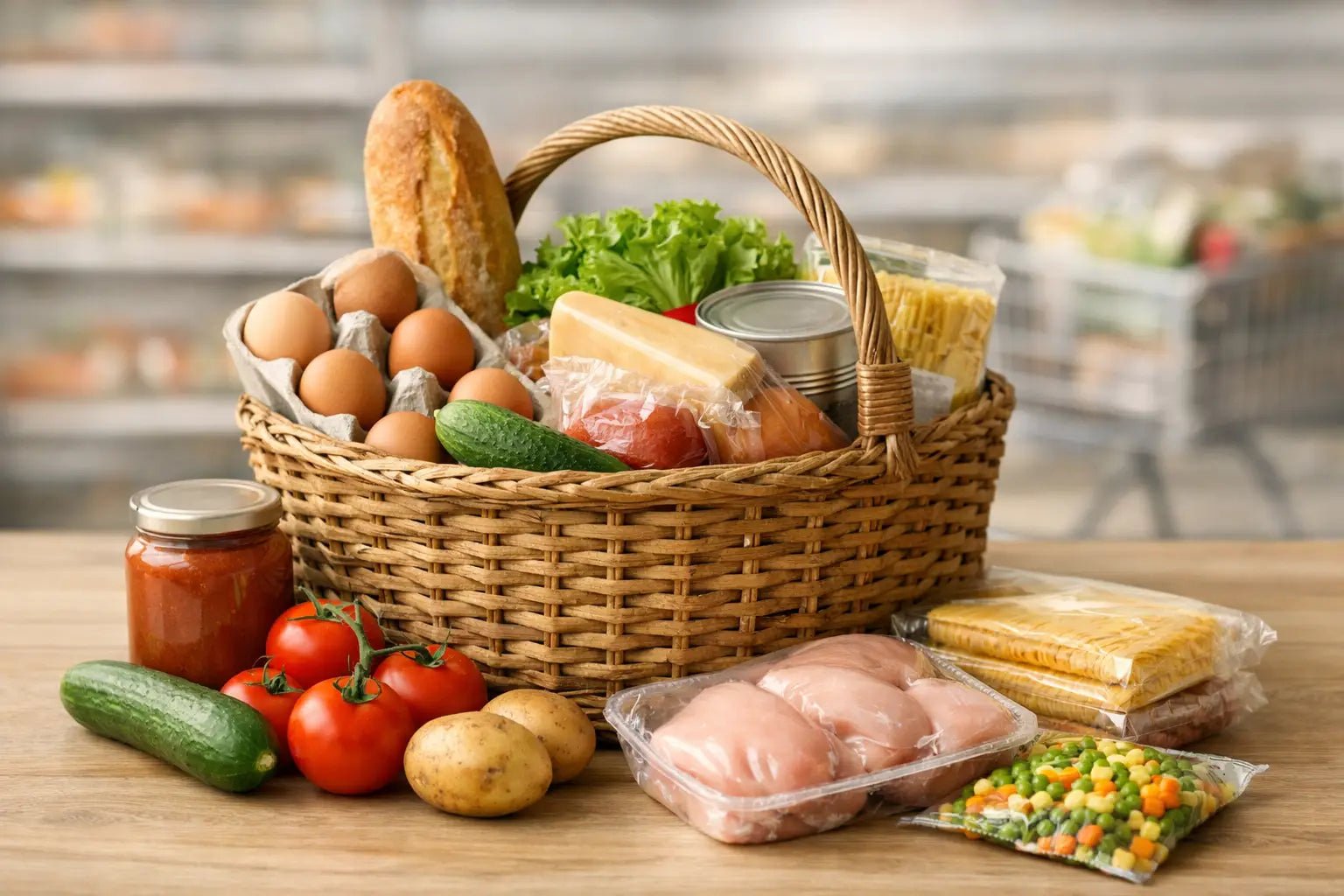
The weekly shop has changed. A basket that used to feel routine now needs a second look, and that is exactly why discount groceries matter to so many UK households. Getting the basics in at a fair price is not about cutting corners. It is about making everyday spending work harder, whether you are buying for a family, topping up a flat share, stocking a workplace kitchen or keeping the freezer filled for the month ahead.
Cheap food has a bad reputation in some circles, as if lower prices must mean lower standards. In practice, that is rarely the full picture. A better way to think about discount grocery shopping is simple: pay less for the products you use often, stay flexible on brand choices, and buy from retailers that make routine ordering easier rather than more expensive.
Why discount groceries make sense
Food shopping is one of the few regular costs that affects every household every week. Rent or mortgage payments are fixed. Energy bills can be unpredictable. Groceries sit somewhere in the middle, which means they are one of the clearest places to make savings without changing your whole lifestyle.
That matters even more when you are not just buying food. Most households need washing-up liquid, shampoo, nappies, pet food, toilet roll and household basics at the same time. If those items are split across several shops, the final cost often creeps up through impulse buys, extra delivery charges or the simple hassle of forgetting something and needing a second order.
Discount groceries work best when they are part of a wider value shop. Being able to add pantry goods, frozen food, drinks, baby items, health and beauty products and home essentials in one order saves more than money. It saves time and cuts down on repeat purchases that push a weekly budget off track.
What good discount groceries actually look like
A lower price on its own is useful, but value is more than a sale sticker. The strongest grocery offers tend to fall into a few practical categories.
Everyday cupboard staples are the obvious starting point. Rice, pasta, tinned vegetables, cooking sauces, cereals, tea, coffee and snacks are easy places to compare price per pack and spot real savings. These are the products most shoppers buy again and again, so even small reductions add up over a month.
Frozen foods are another strong area for value. They help reduce waste, stretch meal planning and keep a backup option in the house for busy evenings. The same applies to bulk packs of household essentials. Toilet tissue, cleaning products, laundry supplies and toiletries can look like larger spends upfront, but they often lower the cost per use.
Then there are practical family buys. Nappies, wipes, baby feeding items and lunchbox fillers can take a noticeable share of the household budget. When these sit alongside discount groceries in one place, it becomes easier to balance the whole shop rather than chasing one-off deals across different websites.
How to shop discount groceries without false savings
Not every cheap item saves money. Sometimes the lowest price only looks good because the pack is smaller, the offer is tied to a high minimum spend or the product is not one you would normally use. The goal is not to fill a basket with random bargains. The goal is to lower the cost of the items you genuinely need.
Start with the repeat purchases in your home. Think bread alternatives, cereal, tinned beans, pasta, noodles, freezer items, squash, biscuits, cleaning sprays and toiletries. These are the lines worth checking first because they are part of your regular spend.
After that, compare by quantity and purpose. A larger pack makes sense if your household will use it before it goes stale or sits unused in a cupboard. Bulk buying is sensible for pet food, bottled drinks, paper goods and pantry items with a long shelf life. It is less useful for products you only buy occasionally.
Brand flexibility helps too. Sometimes the biggest saving comes from moving away from a familiar label on products where the difference is small, such as chopped tomatoes, pasta shapes, flour, oats or household cleaners. In other cases, a known brand on promotion may work out better than a standard line. It depends on the item, the pack size and how often you buy it.
The convenience factor matters more than people admit
Many shoppers focus only on shelf price, but convenience has a value of its own. If buying groceries takes too much time, too many separate orders or too much guesswork around delivery, the process becomes harder to repeat consistently. That usually leads to more expensive top-up shops and rushed purchases.
A straightforward online order solves part of that problem. You can check categories clearly, add groceries with household essentials, and place an order when it suits you rather than fitting around store opening times. For parents, carers, shift workers and anyone managing a busy home, that matters.
It also helps when a retailer removes some of the usual friction. Free shipping, clear delivery expectations, returns support and refunds for genuine issues make value shopping feel less risky. A low price is attractive, but trust is what turns a one-off order into a regular shopping habit.
Discount groceries for different types of shoppers
There is no single right way to build a value basket because households buy differently. A family with young children may prioritise cereal, snacks, nappies, juice, freezer foods and cleaning products. A single adult might focus on cupboard staples, easy meals, toiletries and drinks. A small business buyer may be looking for tea, coffee, biscuits, bottled water, paper products and workplace essentials in larger quantities.
That is why range matters. The best discount grocery shop is not just cheap. It is broad enough to let different customers buy what fits their routine. A narrow selection can force shoppers to go elsewhere for key items, which weakens the savings. A wider range keeps the basket together and makes repeat ordering much simpler.
This is also where a marketplace-style retailer can be useful. If food sits alongside home, baby, pet, clothing and practical business categories, the order becomes more efficient. You are not just doing a grocery shop. You are taking care of several regular needs at once.
How to build a better-value basket
A strong basket usually starts with staples, not treats. Fill the practical core first: grains, tins, sauces, freezer items, drinks, breakfast foods and hygiene basics. Once those are covered, it is easier to see what is left in the budget for extras.
It also helps to keep a simple running list of products your household gets through every week and every month. Weekly items might include milk alternatives, bread products, fruit snacks and ready meals. Monthly items often include washing powder, shampoo, pet supplies and loo roll. When you know the rhythm of your own spending, discount shopping becomes far more precise.
Seasonality and promotions play a part, but only up to a point. If a promotion helps you stock up on products you already buy, take it. If it pushes you towards items that will sit in the cupboard untouched, skip it. A deal is only a deal when it replaces a future spend you would have made anyway.
Where trust fits into low-price shopping
Price gets attention, but reliability keeps customers coming back. That is especially true online, where shoppers want to know their order will arrive properly and that any problem will be handled fairly. A retailer that combines low prices with delivery guarantees, free returns and price-conscious service gives customers a reason to do their regular shop with confidence.
For many people, that reassurance is part of the saving. It lowers the chance of wasted time, duplicate purchases or paying more elsewhere at the last minute. Honesty Sales is built around that straightforward idea: everyday essentials at value prices, with protections that make repeat ordering feel practical rather than uncertain.
Discount groceries are not about settling for less
There is a difference between shopping cheaply and shopping well. Shopping cheaply can be random, reactive and frustrating. Shopping well means keeping costs under control while still getting the products your household relies on. That takes a bit of planning, but it does not need to be complicated.
The real win with discount groceries is consistency. When you can regularly buy the basics at lower prices, combine them with household essentials, and order from a place that keeps the process simple, small savings start to become meaningful. A cheaper tin here and a better-value bulk pack there may not look dramatic in isolation, but across a month they can give your budget some breathing room.
If your shopping needs are practical, routine and price-led, the best approach is usually the simplest one: buy what you use, buy it at a fair price, and make each order cover more of the essentials in one go.