
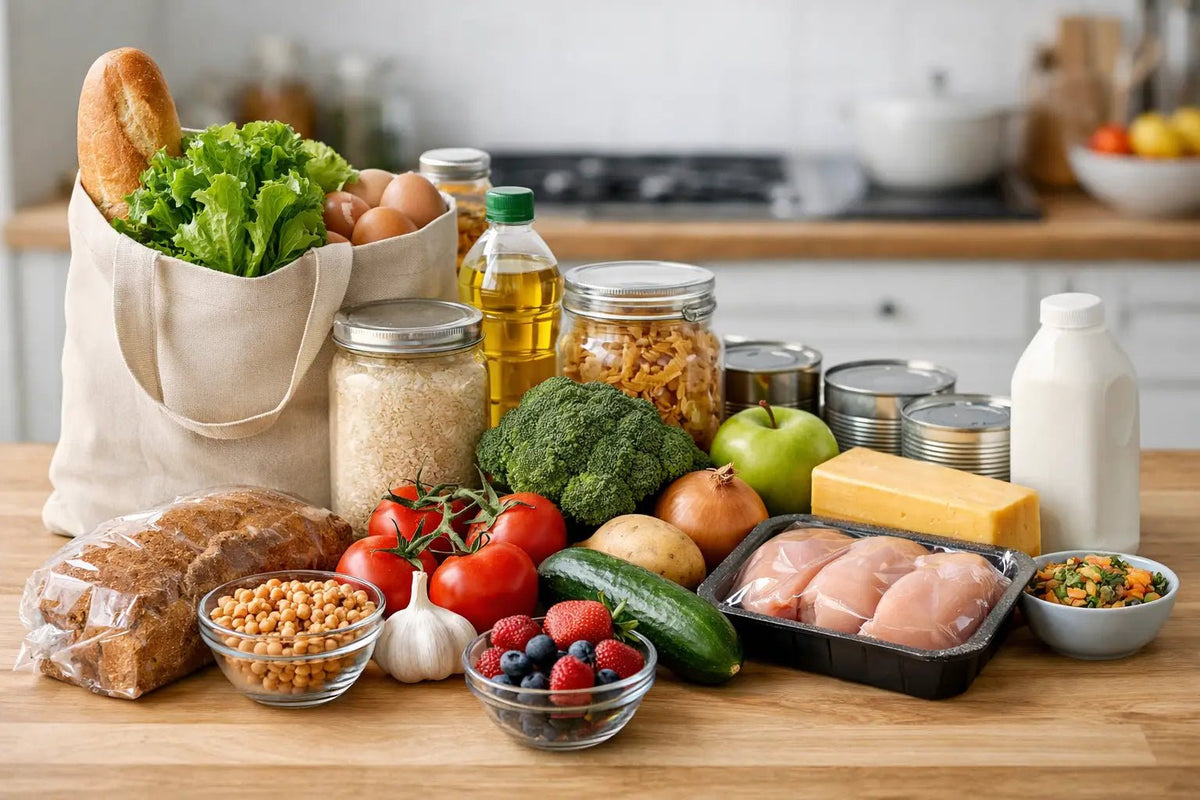
A weekly food shop can get expensive long before the trolley is full. A few branded extras, meals bought without a plan and items that spoil in the fridge can quickly stretch the budget. This guide to affordable weekly groceries helps you build a practical shop around filling food, everyday needs and less waste.
The aim is not to buy the cheapest item in every aisle. It is to spend carefully on food your household will use, choose sensible pack sizes and leave room for the occasional treat. A lower total at checkout matters, but so does getting through the week without another costly top-up shop.
Start with the meals you already make
The most affordable grocery plan is usually built around familiar meals, not a cupboard full of ingredients for recipes you may never repeat. Before shopping, check what is already in your fridge, freezer and cupboards. A bag of frozen vegetables, half a packet of pasta or a tin of tomatoes can form the base of several meals.
Choose five or six evening meals, allowing one night for leftovers, freezer food or a simple meal such as eggs on toast. Plan around ingredients that work more than once. For example, a roast chicken can become sandwiches, a pasta bake or a soup. A pack of mince can cover chilli, spaghetti Bolognese or jacket potato fillings.
Keep breakfast and lunch straightforward too. Porridge, cereal, eggs, toast, yoghurt, fruit and sandwiches are often cheaper than buying individual convenience options throughout the week. If packed lunches are needed for work or school, include them in the plan before adding snacks and extras.
Build your affordable weekly groceries list in order
A written list stops a grocery shop becoming a browse. Divide it by the way you use food at home: meals, breakfasts, lunches, snacks and household essentials. This makes it easier to see whether an item has a purpose rather than simply looking good in the basket.
Start with the basics that can stretch across several meals:
- carbohydrates such as potatoes, rice, pasta, bread and oats
- protein including beans, lentils, eggs, tinned fish, chicken or mince
- fruit and vegetables, with frozen and tinned options where useful
- cooking staples such as oil, herbs, stock cubes, chopped tomatoes and flour
- dairy or alternatives, plus any regular household and personal-care essentials
It also helps to keep a running household list during the week. When washing-up liquid, toothpaste or nappies are nearly finished, write them down straight away. Replacing essentials in one planned order is usually easier to manage than making several small purchases.
Choose value by use, not just shelf price
The lowest price is not always the best value. Compare pack sizes and consider how much you will actually use. A larger bag of rice may cost more upfront but provide many meals. A large bag of salad, on the other hand, is poor value if half of it ends up in the bin.
Unit prices can help when comparing similar products, especially pantry staples, cleaning products and toiletries. But the right choice depends on storage space, cash flow and how quickly your household gets through the item. Buying in bulk is useful for long-life products your family uses regularly. It is less useful for food that expires before you can finish it.
Own-label products can be a sensible place to save. For everyday items such as pasta, tinned vegetables, oats, flour, biscuits and cleaning supplies, a lower-priced alternative may do the job just as well. If there is one branded product your household genuinely prefers, keep it in the budget and look for savings elsewhere rather than buying an unwanted substitute.
Make fresh food go further
Fresh fruit and vegetables are worth planning carefully because they are often where waste happens. Buy firmer produce that lasts, such as carrots, onions, cabbage, apples and potatoes, then add smaller amounts of faster-spoiling food for the first part of the week.
Frozen vegetables are a useful budget tool, not a compromise. You can use exactly what you need for a curry, pie, stir-fry or side dish, then return the rest to the freezer. Frozen berries, peas, sweetcorn and mixed vegetables can reduce waste while keeping meals varied.
Tinned food also earns its place in an affordable weekly shop. Tomatoes, beans, sweetcorn, tuna and fruit can support quick meals without the pressure to use everything immediately. Combine fresh, frozen and cupboard ingredients rather than relying on one type alone.
When you get home, put food away with the week in mind. Keep the items for early meals visible in the fridge, freeze bread or meat you will not use soon, and move older items to the front of the cupboard. A five-minute check before cooking can prevent duplicate purchases and forgotten food.
Use flexible meals to protect the budget
A plan should guide the week, not make it harder. A flexible meal can absorb ingredients that need using up and stop you ordering a takeaway because the original plan no longer fits.
Soups, curries, pasta dishes, traybakes, omelettes and jacket potatoes are reliable options because they can change with what you have. Leftover vegetables can go into a frittata. A small amount of chicken can be stretched with rice, beans and vegetables. Beans and lentils can replace part of the meat in dishes such as chilli or cottage pie without making the meal feel skimpy.
Batch cooking can help, but only if your household will eat the results. Make a double portion of a meal you already enjoy and freeze it in family-sized or single portions. This gives you a low-effort option for busy evenings and reduces the temptation to buy food out.
Set a clear limit for extras
Treats do not have to disappear from the grocery shop. The problem is when they are added without a limit. Choose a set amount for snacks, soft drinks, biscuits or a favourite dessert, then make decisions within that amount.
For families, it can be useful to let everyone choose one item rather than filling the basket with several similar products. For smaller households, multipacks may not always save money if they lead to waste or overbuying. A planned treat is usually better value than several impulse purchases.
The same rule applies to convenience food. Ready meals, chopped produce and individually wrapped snacks can save time, and sometimes that convenience is worthwhile. Use them where they genuinely solve a busy-day problem, rather than making them the foundation of every meal.
Shop across groceries and essentials with a plan
Food is only part of a weekly household spend. Toiletries, cleaning products, pet food, baby supplies and packed-lunch basics can all increase the bill when they are bought separately and at short notice. Adding regular essentials to one planned order gives you a clearer view of what the week really costs.
Check prices before finalising your basket, remove duplicates and consider whether a similar lower-priced item meets the same need. At Honesty Sales, shoppers can browse groceries alongside practical household, health and beauty, baby and pet essentials, making it easier to prepare for routine needs in one place.
Avoid assuming every promotion is a saving. A multi-buy is only useful if it beats the normal price and the products will be used. It is fine to skip a deal that does not fit your plan. The best bargain is still one that earns its place at home.
Keep a simple weekly rhythm
Affordable shopping gets easier when you repeat the parts that work. Keep a note of meals that were inexpensive, filling and popular, then rotate them. After a few weeks, you will have a dependable set of low-cost dinners, a realistic list of staples and a better idea of how much fresh food your household uses.
If the budget is tight one week, lean more heavily on pantry meals, frozen vegetables, eggs, oats, potatoes, beans and value packs of meat or fish. If there is more room the next week, add variety with fresh fruit, a favourite cheese or a family treat. The goal is a grocery routine that works in real life, not a perfect basket.
Before your next shop, choose one meal that uses what is already at home. It is a small habit, but it can make every pound in your grocery budget go further.