
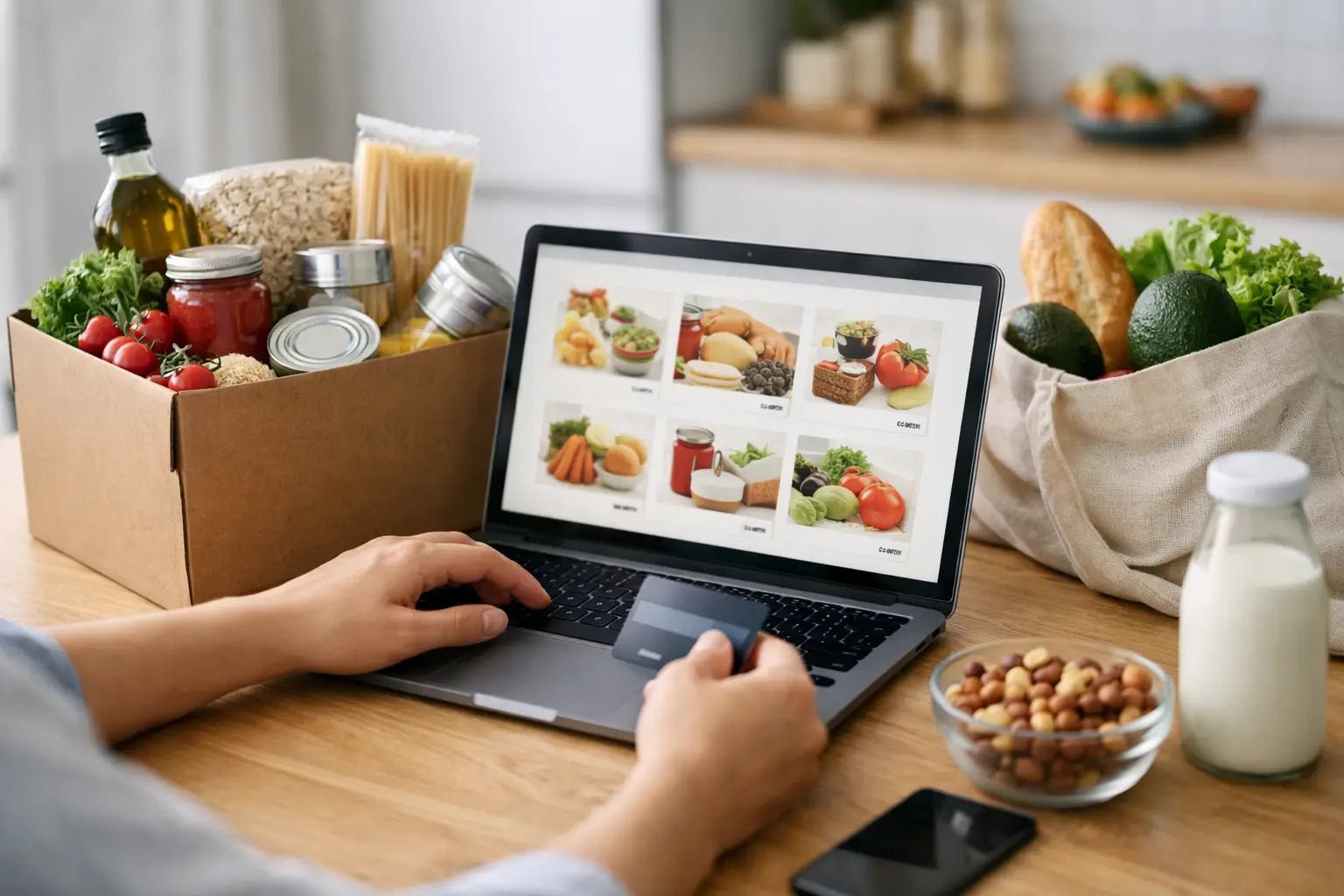
Running out of tea, pasta or tinned tomatoes halfway through the week is annoying. Paying over the odds to fix it is worse. This guide to online pantry shopping is built for households that want to keep cupboards stocked, save money where possible, and avoid the last-minute rush to the shops.
Online pantry shopping works best when it is treated less like a one-off top-up and more like a simple household system. The goal is not to fill your basket with everything that looks useful. It is to buy the right staples, in the right pack sizes, at the right time, so your everyday food shop stays practical and affordable.
Why online pantry shopping suits busy households
For many shoppers, the biggest benefit is not just convenience. It is control. When you shop pantry items online, you can compare products properly, check sizes, scan prices, and build a basket without being hurried down an aisle or tempted by things you did not plan to buy.
That matters even more for family homes, shared households and anyone keeping an eye on weekly costs. Dry goods, tins, sauces, spreads, cereals, long-life milk, snacks, baking ingredients and cooking basics all tend to be repeat buys. Buying them online gives you a clearer view of what you are spending and what you are likely to need again soon.
It also helps when you want to combine grocery staples with other routine purchases. If you can add cleaning products, toiletries, baby essentials or pet supplies in the same order, that saves both time and effort.
How to use this guide to online pantry shopping properly
A good online pantry shop starts before you add anything to your basket. The fastest way to overspend is to browse without a plan. The easiest way to save is to know what your household actually uses.
Start with your core cupboard list. Most homes have a set of basics that move quickly and a second group of items that are useful but less urgent. Your first group might include rice, pasta, noodles, cereal, tinned beans, tinned tomatoes, cooking oil, tea, coffee, sugar, flour, biscuits and long-life drinks. Your second group could include stock cubes, herbs, baking supplies, sauces, condiments and lunchbox extras.
That distinction matters because it helps you decide what belongs in every order and what can wait for a better price. It also stops panic buying. If you know which products are true essentials, your basket becomes easier to manage.
Check what you already have
This sounds obvious, but it saves money more often than any special offer. Before ordering, look through your cupboards and write down what is actually low, not what feels low. Many households buy duplicate jars, packets and tins simply because they shop from memory.
A quick cupboard check also helps you spot patterns. If you are always running short of cereal and never touching that extra bag of lentils, your next shop should reflect that. Pantry shopping should fit the way you eat, not the way a standard shopping list says you should eat.
Shop by use, not by category alone
Category filters are helpful, but the smartest baskets are built around meals and routines. Think about breakfasts, packed lunches, evening meals and quick back-up options for busy days. A pantry should support regular cooking as well as those moments when nobody wants to think too hard about dinner.
For example, pasta, chopped tomatoes, tuna, sweetcorn and a jar of sauce are not just separate pantry lines. Together, they create easy meal options. The same goes for porridge oats, cereal bars, jam, crackers and peanut butter for breakfasts and snacks.
The key things to compare before you buy
Price matters, but it is not the only thing worth checking. A cheaper item is not always the better buy if the pack size is much smaller or the quality means it runs out faster.
Pack size and price per amount
Larger packs often offer better value, but not always. The right choice depends on how quickly your household uses the product, how much storage space you have, and whether the item keeps well once opened. A big bag of rice can make sense. A giant pack of crackers that goes stale may not.
Look beyond the headline price. Compare weight, volume and the number of portions where relevant. This gives you a fairer view of value and helps you avoid false savings.
Brand, own-label and everyday alternatives
Some shoppers have strong brand preferences for tea, coffee, cereal or sauces. That is perfectly reasonable. For other items, switching can reduce costs with very little difference in day-to-day use.
The practical approach is to be selective. Keep your preferred brands for products where taste or consistency really matters to your household, and stay flexible on basics such as pasta, tinned pulses, flour or sugar if the value is better elsewhere. Saving a little across several routine lines often makes more difference than cutting one expensive item.
Shelf life and frequency of use
Online pantry shopping rewards forward planning, but there is no point buying six of something your household only uses twice a year. Check shelf life where possible and match your order to realistic usage.
This is especially useful for sauces, baking products, snacks and speciality ingredients. A good deal only helps if the product gets used.
Building a pantry order that saves money
There is a difference between a cheap basket and a cost-effective one. The cheapest basket may leave you needing another order too soon. A cost-effective basket covers everyday use properly, reduces emergency spend and keeps key staples on hand.
One sensible method is to split your pantry order into three parts. The first part is your fixed essentials, the products you nearly always need. The second is your flexible value buys, which change depending on price and current stock. The third is your household add-ons, such as cleaning products, toiletries or pet food, if you want to keep more purchases in one place.
This approach works well because it balances routine with flexibility. You stay organised without becoming rigid, and you are less likely to miss the basics.
Watch for deal-driven overspending
Multi-buy offers and larger packs can reduce cost, but they can also increase spend if you add items just because they look like a bargain. A pantry basket should still reflect real need.
A useful question is simple: would you buy this at all if it were not on offer? If the answer is no, it may not belong in the basket. Saving money starts with buying well, not just buying discounted stock.
A guide to online pantry shopping for different households
No two cupboards are exactly alike. A family with school-age children shops differently from a single adult, a couple, or a workplace ordering shared supplies.
For families, snack frequency, lunchbox items, breakfast staples and easy evening meal ingredients tend to matter most. Bulk-friendly items often make sense if they are used steadily. For smaller households, flexibility and storage matter more. Medium pack sizes may be the better value in practice because they reduce waste.
For business or workplace buyers, pantry shopping often centres on tea, coffee, sugar, biscuits, long-life milk, bottled drinks and cleaning basics. In that case, consistency matters as much as price. Running out creates hassle, so regular repeat ordering can be the smarter option.
Making online pantry shopping easier over time
The first order usually takes the longest because you are deciding what your household needs. After that, the process gets quicker if you pay attention to what worked.
Notice which items lasted well, which ran out too fast, and which sat untouched. If a product turned out to be poor value, swap it next time. If a certain pack size fitted your routine well, keep it on your repeat list.
This is where a broad online marketplace can be especially helpful. Being able to shop pantry goods alongside household essentials, baby products, health items and other routine needs makes regular ordering simpler and often more economical. For budget-focused homes, that joined-up approach saves more than just money. It saves effort.
Honesty Sales is built around that kind of practical shopping - low prices, everyday essentials and the reassurance of customer-friendly policies that make routine buying feel more straightforward.
Common mistakes to avoid
The biggest mistakes are usually simple ones: shopping while hungry, guessing what is in the cupboard, ignoring pack size, and treating every deal as a saving. Another common problem is buying too many convenience items and too few true staples. A pantry should support daily meals first, then snacks and extras.
It also helps to be realistic about storage. If your kitchen space is limited, buying in bulk can create clutter rather than value. The best pantry order is one your household can store, use and repeat without stress.
A well-planned cupboard does not need to be fancy or perfectly organised. It just needs to make everyday life easier. If your next order helps you cover breakfasts, quick lunches, simple dinners and the usual household basics without stretching the budget, that is a good result - and a much calmer way to shop.

