
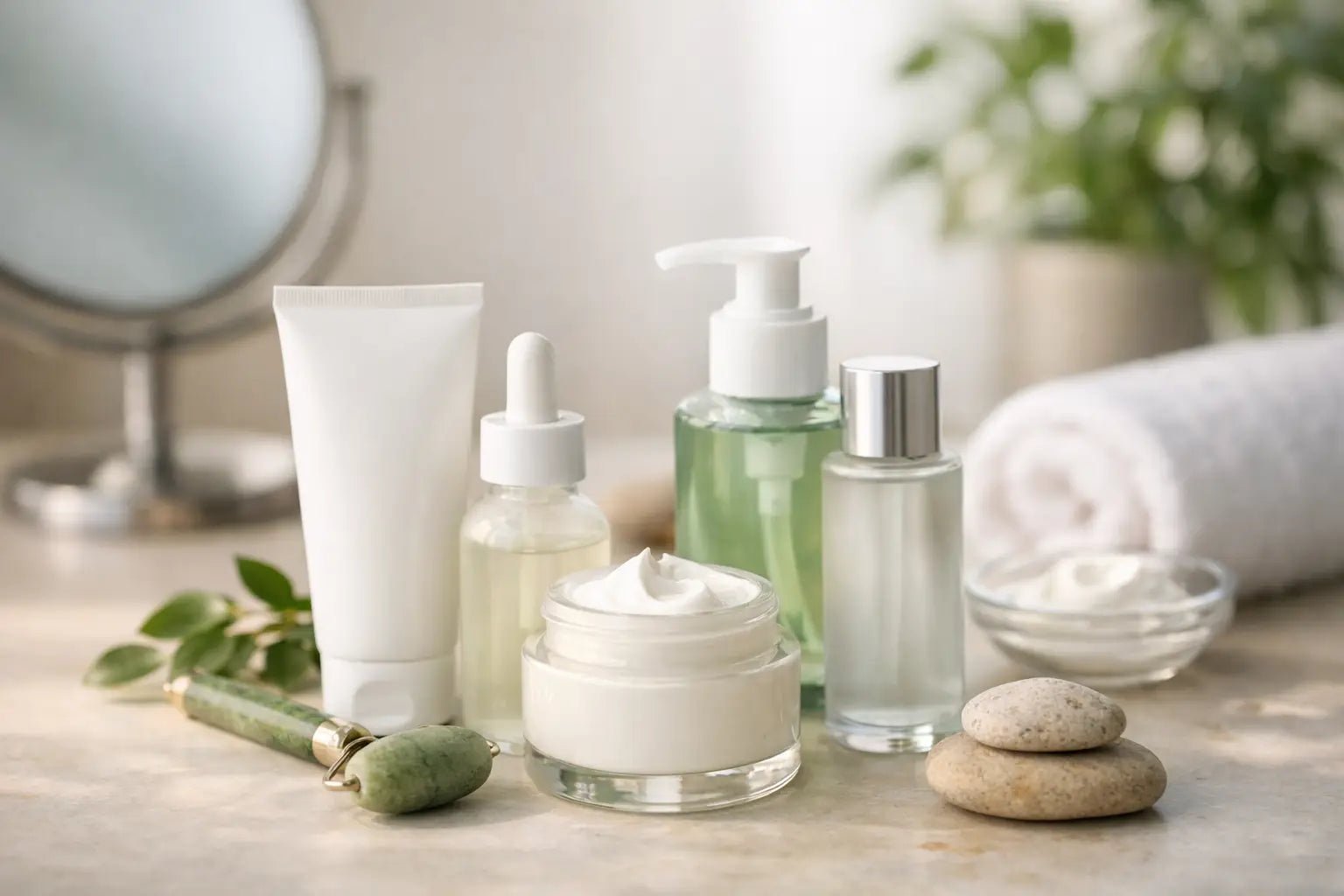
A bathroom shelf full of half-used bottles is rarely a sign that someone needs more skincare. More often, it means a tempting offer, a bold claim or a fancy-looking product did not suit their skin. Learning how to choose affordable skincare is about buying fewer products with a clear purpose, so your routine stays simple and your money goes further.
Affordable does not mean poor quality. Many everyday cleansers, moisturisers and sun creams use proven ingredients without premium packaging, celebrity branding or a high price tag. The best value is the product you can use regularly, finish before it expires and replace without stretching the weekly budget.
Start with what your skin actually needs
Before comparing prices, look at your current routine. Most people do not need a long list of treatments. A basic routine usually starts with a gentle cleanser, a moisturiser and daily sun protection. From there, add one targeted product only if there is a specific concern, such as dryness, spots, uneven texture or sensitivity.
Skin type matters, but it does not need to become complicated. Dry skin may prefer a richer cream or balm. Oily skin may feel more comfortable with a light lotion or gel-cream. Sensitive skin often benefits from fragrance-free products and shorter ingredient lists. If your skin is both oily and dehydrated, a lightweight moisturiser can still be useful - oiliness is not the same as hydration.
Try not to buy a product because it promises to solve every issue at once. Claims such as “glow”, “radiance” and “perfect skin” can be vague. Instead, ask a practical question: what job will this product do in my routine? If the answer is unclear, it may be an easy item to leave in the basket.
How to choose affordable skincare by ingredients
You do not need to memorise every ingredient on a label. It is more useful to recognise a few dependable categories and match them to your needs. Glycerin, hyaluronic acid and urea can support hydration. Ceramides and simple emollients help reinforce the skin barrier, particularly when skin feels tight or flaky. Salicylic acid is commonly used for blocked pores and blemishes, while niacinamide may help with oil control, uneven tone and barrier support.
A low-priced product does not need a long list of fashionable ingredients to be effective. In fact, one suitable active ingredient in a well-made base may be easier to tolerate than several treatments layered together. Packaging and fragrance can affect the price, but they do not necessarily improve results.
For sensitive or reactive skin, be cautious with strongly scented products, essential oils and frequent exfoliation. They are not automatically unsuitable for everyone, but they can create a problem that then leads to more spending on products intended to calm the irritation. A plain, fragrance-free moisturiser is often a sensible first purchase when skin is uncomfortable.
Read the directions as well as the front label. A treatment that should be used two or three times a week may not last less time than a cheaper product used daily. Value is about the cost per use, not just the price shown on the shelf.
Compare size, strength and cost per use
The cheapest bottle is not always the best deal. Compare the volume in millilitres or grams, particularly when choosing cleansers, body lotions and moisturisers. A larger pack can offer better value if you already know it suits your skin and will use it before its period-after-opening date.
However, buying big is not always the right choice. If you are trying a new serum, exfoliant or sun cream, a smaller size may reduce waste if the texture, scent or formula is not for you. This is especially useful with active ingredients, where your skin may need time to adjust.
Consider these four checks before adding skincare to your order:
- What is the price per 100 ml or per 100 g?
- How often will I use it, and how long should it last?
- Is it a replacement for something finished, or an extra product?
- Does the formula match my skin type and main concern?
Keep your routine small before adding treatments
A reliable budget routine should be easy to repeat. Cleanse in the evening to remove daily grime, make-up and sunscreen. Apply moisturiser when your skin feels dry or needs support. Use broad-spectrum sun protection during the day, particularly when using exfoliating acids or other active treatments.
Once these basics are working, add products slowly. Introduce one new item at a time and use it for a couple of weeks before changing anything else. If your skin becomes sore, itchy, very dry or unusually spotty, you will have a better chance of identifying the cause.
This slower approach is good for your skin and your budget. Buying several new products together can make a routine feel exciting, but it makes reactions harder to track and can leave you with a cupboard of products you cannot use. Patch testing a new product on a small area of skin first can provide an extra layer of caution, especially if you have had reactions before.
Do not pay extra for marketing alone
Premium skincare can be enjoyable, but a higher price is not proof of better performance. A glass jar, luxury scent or influencer campaign can add to the cost without making a basic moisturiser more suitable for your skin. Similarly, a budget product is not automatically a bargain if it contains ingredients you know irritate you or if you dislike using it enough to abandon it.
Look beyond words such as “natural”, “clean” or “dermatologically tested”. These can be useful starting points, but they do not replace checking the full product information. Natural ingredients can still trigger sensitivity, and products tested on skin can still be unsuitable for an individual. Choose based on the formula, the directions and your own experience.
Be particularly careful with miracle claims around acne, pigmentation, eczema or rosacea. Everyday skincare may support comfort and appearance, but persistent, painful or worsening skin concerns are worth discussing with a pharmacist, GP or qualified dermatologist. Spending more on stronger-looking products is not always the safest answer.
Shop for repeat purchases, not one-off excitement
The most affordable routine is one you can maintain. When you find a cleanser or moisturiser that feels good, performs well and fits your budget, keeping it in your regular shop makes sense. It reduces impulse purchases and helps you notice when your skin genuinely needs a change.
It can also be practical to buy routine essentials alongside household and personal-care items. Consolidating everyday purchases can make it easier to plan spending, avoid last-minute trips and keep track of what is running low. At Honesty Sales, value-focused shoppers can compare practical beauty essentials alongside the groceries and household products they already need.
Check product condition when it arrives and store skincare away from direct sunlight and damp heat where possible. Keep lids closed, avoid dipping unwashed fingers into jars and take note of the period-after-opening symbol. Using products correctly protects both your skin and the value of your purchase.
A good affordable skincare routine should feel ordinary in the best way: simple to use, gentle enough to stick with and easy to replace when the bottle is empty. Start with the basics, give each product time, and let consistent use - not the price tag - do the hard work.

