
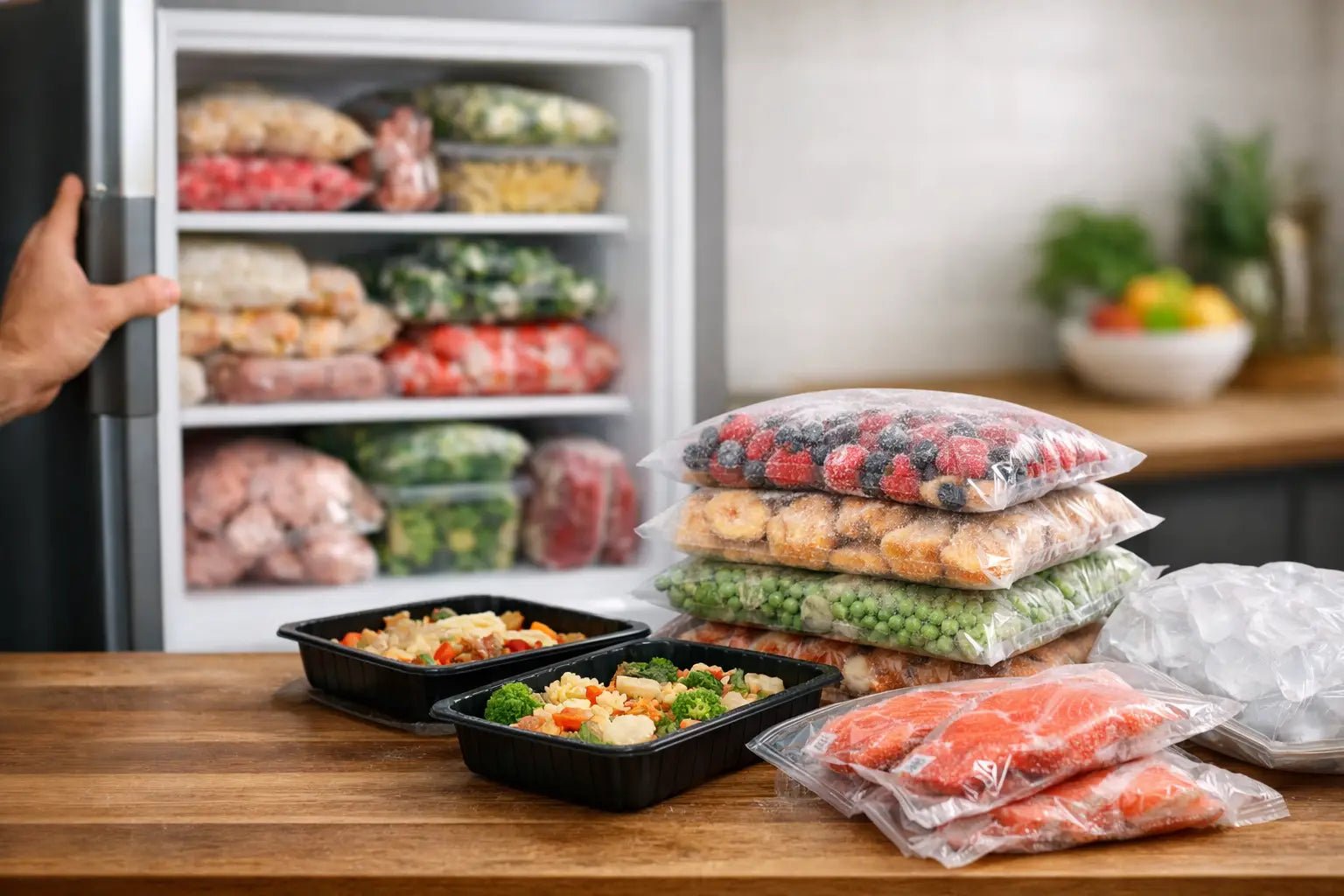
The moment you throw away a bag of soggy spinach or soft peppers from the fridge, the question becomes very real: is frozen food worth buying? For plenty of households, the answer is yes - not because it is perfect, but because it often helps you spend less, waste less and keep meals covered when time is short.
Frozen food has moved well beyond chips, peas and the occasional pizza. For many shoppers, it is now part of the regular weekly shop, sitting alongside cupboard staples, chilled basics and household essentials. If you are trying to make your grocery budget go further without losing convenience, frozen food deserves a proper look.
Is frozen food worth buying on a budget?
If your main goal is value, frozen food can be a smart buy. The biggest reason is simple: you use what you need and keep the rest for later. That matters when fresh food goes off before you get round to using it.
A bag of frozen mixed vegetables, for example, can stretch across several meals. You can add a handful to pasta, a pie filling, a curry or a soup without worrying that the rest will spoil in two days. The same applies to frozen fruit for smoothies, porridge or baking. You are buying food with a longer working life, and that can make your money go further over the week.
There is also the convenience factor. If you are feeding a family, working long hours or simply trying to avoid extra trips to the shops, frozen options can take pressure off. Stocking a freezer gives you back-up meals and ingredients on hand, which helps cut impulse spending on takeaways or expensive last-minute items.
That said, not every frozen product is a bargain. Ready meals, coated snacks and heavily processed freezer foods can cost more per portion than cooking from basic ingredients. Frozen food is often best value when you buy plain ingredients rather than paying for extra preparation, packaging and branding.
Where frozen food usually gives the best value
Some categories consistently make more sense frozen than fresh, especially for households that want flexibility.
Vegetables are one of the strongest examples. Frozen peas, sweetcorn, spinach, broccoli and mixed veg are easy to portion and quick to cook. If you do not use fresh vegetables quickly, frozen versions can work out cheaper simply because less ends up in the bin.
Fruit is similar. Frozen berries and mango can be especially useful because fresh versions are often pricey and have a short shelf life. If you only use fruit in smoothies, desserts or baking, frozen can be the more practical choice.
Fish can also be a solid freezer buy. Frozen fish fillets often let you keep portions ready without needing to cook them immediately. For many homes, that means less waste and more meal options through the week.
Basic items such as frozen chips, jacket potatoes, herbs and even pastry can also earn their place. They save time, reduce prep and help you build meals from what you already have instead of adding more items to your basket midweek.
When fresh food is the better buy
Frozen food is not always the best answer. There are times when fresh is worth paying for, both for taste and for the way you plan to use it.
Salad ingredients are an obvious example. Lettuce, cucumber and tomatoes do not freeze well in a form most people would want to eat. If you want crisp texture and fresh flavour, chilled produce wins.
The same goes for certain meals where texture matters. A stir-fry made with fresh peppers and onions may hold up better than one made from some frozen mixes that release more water in the pan. Fresh meat or fish can also be the better choice if you are cooking it that day and quality is your top priority.
It comes down to use, not just price. If you know you will eat the fresh item quickly, and it performs better in the meal you have planned, fresh may be the better buy even if the shelf life is shorter.
Nutrition - better than many shoppers think
Some people still assume frozen food is less nutritious than fresh. In reality, it depends on the product. Plain frozen vegetables and fruit can hold their nutritional value very well because they are often frozen soon after harvesting.
That can compare favourably with fresh produce that has spent days in transport, on shelves or in the fridge at home. So if you are choosing between fresh broccoli that sits unused for a week and frozen broccoli that gets cooked tonight, frozen is hardly the poor relation.
The real nutritional trade-off usually appears in heavily processed frozen foods. Breaded items, chips, pizzas and desserts can be high in salt, sugar or fat depending on the product. That does not make them off-limits, but it does mean frozen food is not automatically healthy just because it is in the freezer.
A good rule is to separate plain ingredients from convenience foods. Frozen peas, fish fillets and berries play a very different role in your shop from a freezer full of ready meals and snacks.
Is frozen food worth buying for busy households?
For many homes, this is where frozen food proves its value most clearly. It helps with routine, planning and those days when dinner needs to be sorted fast.
If you are managing work, school runs, packed weekends or a larger household, the freezer can act as a buffer. You do not need to start from scratch every night. A few practical staples can turn into easy meals with less stress and fewer gaps in the cupboard.
Frozen ingredients also help if your shopping pattern is less predictable. If you do a larger online order or want to stock up when prices are good, freezer items let you buy ahead. That can be especially useful when you are looking for low prices across a broad basket rather than shopping little and often.
For shoppers who want convenience without giving up control of cost, frozen food sits in a useful middle ground. It is usually cheaper than ordering in, often less wasteful than overbuying fresh, and easier to store than many chilled products.
The trade-offs to keep in mind
There are a few practical downsides. Freezer space is the obvious one. If your freezer is small, bulky bags and boxes can quickly take over, especially in a family home. Buying frozen only makes sense if you can store it properly and still find what you need.
Texture is another issue. Some frozen foods cook beautifully, while others can go soft or watery. That is not a deal-breaker, but it does affect what works best. Frozen vegetables are often ideal for soups, pasta sauces and casseroles, but not always for dishes where you want a crisp bite.
Energy use can also enter the conversation, though for most households the bigger financial issue is usually food waste rather than the cost of running a freezer you already own. If frozen food helps prevent regular waste and cuts unplanned spending, it can still come out ahead overall.
It is also worth checking pack sizes and price per unit. Bigger is not always cheaper, and branded freezer items are not always better value than simpler alternatives.
How to buy frozen food wisely
The best approach is not to replace all fresh food with frozen. It is to use frozen where it solves a problem.
If food waste is your issue, focus on vegetables, fruit and proteins you only use in small amounts at a time. If speed is the issue, keep a few versatile basics that help you build meals quickly. If budget is the main concern, compare plain frozen ingredients with fresh versions and think about what actually gets eaten.
It also helps to shop with meals in mind. A freezer full of random offers is not necessarily a saving. A freezer stocked with ingredients you regularly use is a different story. For many households, that means keeping a sensible mix of staples, easy sides and a few back-up meals for busy evenings.
Shoppers looking for value often do best when frozen food is part of a bigger strategy: buy essentials at the right price, keep useful stock at home, and avoid paying more later because the fridge is empty or the fresh produce has gone over.
So, is frozen food worth buying? In many cases, yes - especially if you want longer-lasting ingredients, less waste and a more flexible weekly shop. It is not better than fresh in every category, and not every freezer item is good value. But when you choose carefully, frozen food can make everyday shopping easier, more affordable and far more dependable. If your goal is to keep the house stocked without overspending, the freezer is often one of the most practical places to start.

