
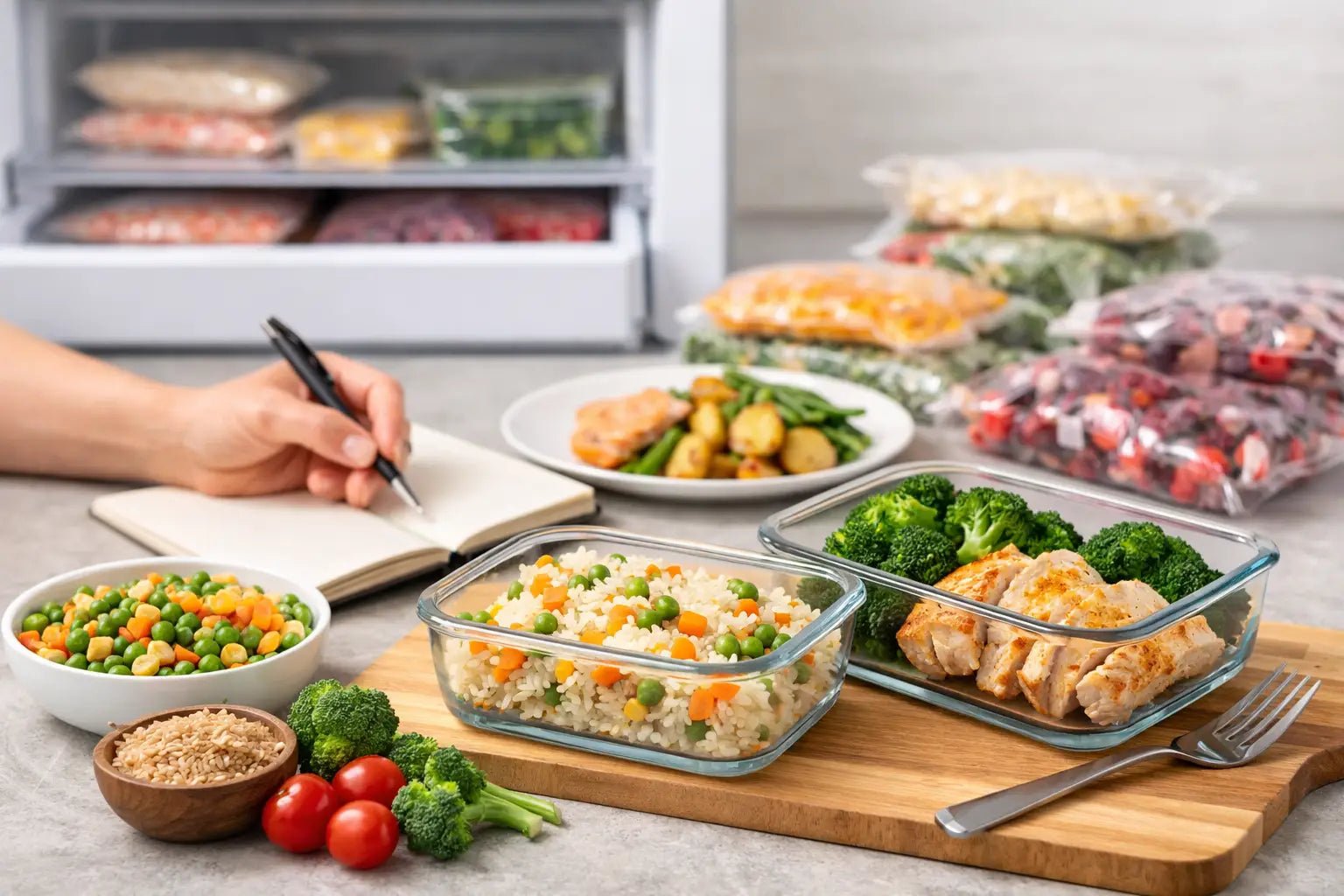
A freezer full of random bags, half-used vegetables and mystery leftovers does not save money. A freezer that is planned properly does. That is why meal planning with frozen food works so well for busy households - it turns low-cost staples into quick, reliable meals and helps you buy what you need before prices creep up your weekly shop.
Frozen food is often treated as a backup, but for many families it makes more sense to build the week around it. It lasts longer than fresh, gives you more flexibility if plans change, and helps you avoid the all-too-familiar problem of buying with good intentions and binning food a few days later. If you are trying to keep food costs under control without making mealtimes harder, frozen can do a lot of the heavy lifting.
Why meal planning with frozen food makes sense
The biggest advantage is less waste. Fresh produce, meat and bakery items can all be good value at the till and poor value by the end of the week if they spoil before you use them. Frozen food gives you more time. You can use what you need, keep the rest, and shift meals around if work runs late or the school week gets busier than expected.
There is also a strong cost benefit. Frozen vegetables, chips, fruit, fish and ready-prepped ingredients are often priced competitively, especially when compared with fresh items out of season. You are also paying for convenience that can genuinely help on a busy night. Chopped onions, mixed veg, fillets, chicken portions and prepared sides reduce prep time without pushing you towards expensive takeaways.
That said, not every frozen product is the cheapest option, and not every meal should come from a box. The smart approach is balance. Use frozen staples to support your week, then add fresh items where they matter most, such as salad, milk, bread or fruit for lunchboxes.
How to start meal planning with frozen food
Start with what your household actually eats, not what sounds efficient on paper. If nobody likes frozen spinach or fish pie, there is no point filling the freezer with them just because they seem practical. Look at five or six meals you already rely on and ask which parts could come from the freezer.
For one family that might mean frozen mince for spaghetti bolognese, frozen mixed vegetables for a quick stir-fry, and frozen chicken breasts for curry. For another, it may be freezer-friendly pizzas, fish fingers, oven chips and frozen peas for simple midweek dinners. Meal planning does not need to look perfect. It needs to reflect real life.
A useful method is to build your week around three types of meal. First, have two quick meals for your busiest nights. Second, choose two flexible meals that can use whatever is left in the fridge or freezer. Third, include one slightly larger meal that can create leftovers for lunch or another dinner. Frozen food suits all three.
What to keep in the freezer for cheaper weekly meals
A well-stocked freezer should make dinner easier, not more confusing. Too much choice can be just as unhelpful as having nothing in. It helps to keep a core set of products you use again and again.
Frozen vegetables are one of the best-value buys because they fit into almost anything. Peas, sweetcorn, broccoli, spinach, cauliflower, mixed vegetables and peppers can bulk out pasta, rice, casseroles and pies. Frozen fruit is equally useful for breakfasts, desserts and smoothies, especially if fresh berries are too expensive for regular buying.
Protein is where planning often saves the most. Frozen chicken pieces, fish fillets, sausages, mince and meat-free options give you more control over portions and timing. Instead of defrosting everything at once, you can take out only what you need. For smaller households, this matters even more.
Then there are the practical extras: garlic bread, Yorkshire puddings, chips, diced onions, pastry, pizza bases and prepared potato products. These are not fancy purchases, but they can turn basic ingredients into a complete meal fast. If your aim is to avoid a last-minute takeaway, convenience has value.
Build a weekly plan around the freezer
The easiest way to plan is to check the freezer first, then write the meal list. Many people do it the other way round and end up buying duplicates. A quick look at what you already have helps you spend less and use older items before they get buried.
A simple week might look like this in practice. Monday could be chicken curry using frozen chicken and frozen veg. Tuesday might be fish fillets with chips and peas. Wednesday could be pasta bake using frozen mince and chopped onions. Thursday works well for a freezer buffet style dinner - whatever is left, paired with rice, potatoes or wraps. Friday can stay easy with pizza, wedges and sweetcorn.
This kind of planning is not about strict rules. It is about giving yourself a realistic structure. If one night changes, the food is still there next week. That is one of the biggest strengths of frozen meal planning compared with buying everything fresh for exact dates.
Save money without making meals repetitive
One concern people have is boredom. If you lean too heavily on the same frozen products, meals can start to feel repetitive very quickly. The fix is not spending more. It is using the same staples in different ways.
Frozen chicken can become curry, pasta, fajitas or a traybake. Frozen mince can turn into chilli, cottage pie, bolognese or loaded jacket potatoes. Frozen vegetables can go into soups, noodles, omelettes and rice dishes. A few changes in seasoning and a different carb can make one ingredient stretch much further.
It also helps to mix basic frozen ingredients with a small number of cupboard staples. Rice, pasta, tinned tomatoes, beans, stock cubes, gravy, herbs and sauces give you flexibility without adding much to the bill. This is often where the best value lies - not in buying specialist meal kits, but in combining low-cost freezer items with pantry basics you already trust.
A few trade-offs to keep in mind
Frozen food is practical, but it is not always the right answer for everything. Some textures can change after freezing, especially with softer vegetables or breaded products if they are overcooked. Portion sizes also vary a lot between brands, so it is worth checking pack weights rather than assuming every bag offers the same value.
Storage matters too. A packed freezer can save money, but only if you can see what is in it. If food disappears under layers of older items, you end up replacing stock you already own. Labelling leftovers with the date and keeping similar items together makes a real difference.
Energy costs are another factor people sometimes raise. Running a freezer does add to household bills, but for most homes the food savings from reduced waste and fewer emergency shops can more than balance that out. It depends on how you use it. A freezer full of regularly used food is useful. A freezer full of forgotten bargains is not.
Make frozen food work harder for family life
For households with children, frozen meal planning can remove a lot of weekday stress. You do not need a full fresh-food prep session every Sunday to stay organised. If there are always a few dependable options in the freezer, you are less likely to overspend at the convenience shop or order dinner because time has run out.
It also supports batch cooking well. If you make chilli, curry, pasta sauce or soup in a larger quantity, freezing portions gives you future meals at a lower cost per serving. This is especially useful around school runs, shift work and busy weekends, when cooking from scratch every evening is not realistic.
Shoppers who want value and convenience in one place often do best by combining freezer staples with the rest of the weekly essentials in the same order. That saves both time and fuel, and it makes it easier to keep the whole household shop on budget. For many families, that straightforward approach is exactly what makes planning sustainable.
Keep it simple and stick with what works
The best freezer plan is the one you will actually use. You do not need a colour-coded chart or a month of recipes. You need a short list of meals your household likes, a freezer stocked with affordable basics, and a habit of checking what you already have before you shop.
Meal planning with frozen food is not about lowering standards. It is about buying more carefully, wasting less and making sure there is always something practical on hand when the week does not go to plan. If your food budget needs to work harder, the freezer is one of the easiest places to start.