
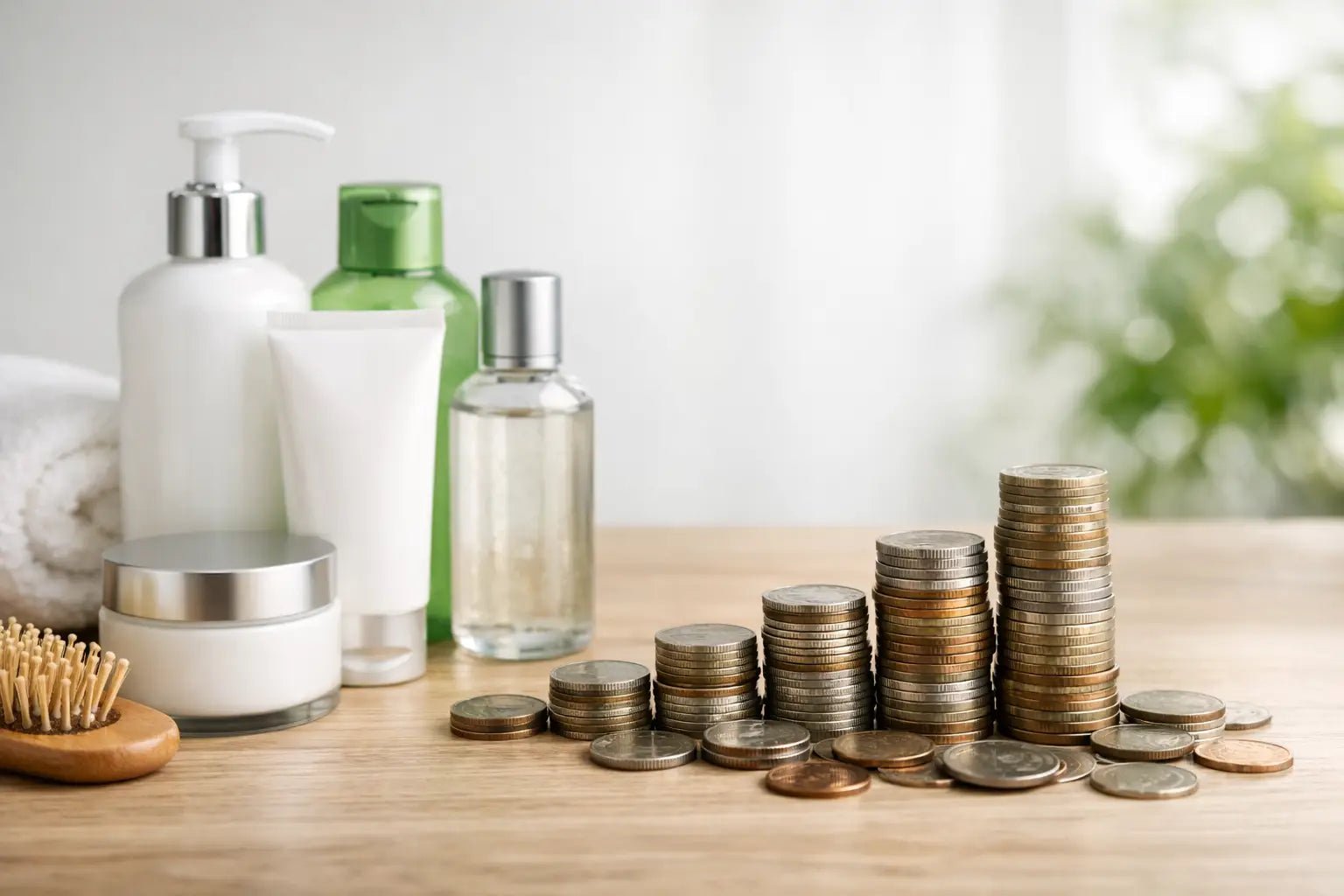
Running out of shampoo, shower gel and deodorant in the same week is annoying. Paying full price for each one is worse. That is where personal care bundle savings start to make a real difference, especially for households buying the same essentials again and again.
For most shoppers, personal care is not an occasional treat. It is part of the weekly or monthly shop, right alongside household basics, baby items and groceries. When those products are bought in bundles instead of one by one, the savings can be clearer, the shop can be quicker and the chance of forgetting something important drops as well.
Why personal care bundle savings matter
Small price differences add up faster than many people expect. A pound saved on toothpaste, another on hand wash, and a better price on multipacks of soap or razors can make a visible difference over a month, especially for families or shared households.
Bundles also help with the part of shopping people often overlook - repeat buying. If you know you will need body wash, toothpaste, face wipes, shampoo and sanitary care products anyway, buying them in a sensible grouped offer can cut both cost per item and the number of separate orders you place.
That matters even more when you are trying to keep the whole household stocked without overspending. Everyday essentials are rarely glamorous purchases, but they are exactly the kind of products where good value counts.
What counts as a good bundle deal
Not every bundle is automatically a bargain. Real personal care bundle savings come from buying products you already use, in quantities you can realistically get through, at a lower unit price than purchasing separately.
A useful bundle usually does one of three things. It combines related products you need at the same time, offers multiples of a staple item at a reduced cost, or helps you stock up enough to avoid emergency top-up shopping later.
For example, a good everyday bundle might include shampoo, conditioner and styling products from the same range if that is already what your household prefers. Another strong option is a family-focused mix of soap, toothpaste, mouthwash and deodorant. The value is not just in the ticket price. It is in avoiding last-minute purchases from more expensive sources when you suddenly run short.
The trade-off is simple. Bigger bundles can save more per item, but only if the products will be used before they sit forgotten in a cupboard. If a bundle includes items your household does not need, the apparent saving can disappear quickly.
The categories where bundles work best
Some personal care products are naturally better suited to bundling than others. Daily-use essentials tend to deliver the strongest value because they move through the household steadily.
Bathroom basics
Soap, shower gel, shampoo, conditioner, toothpaste and hand wash are obvious bundle buys. These are the products most people replace regularly, so buying them together often makes practical and financial sense.
Family and shared household items
If more than one person is using the same hand soap, bath products, cotton pads or oral care items, bundle buying becomes even more useful. Shared products get used faster, which reduces the risk of buying too much.
Routine top-ups
Deodorant, shaving products, wipes, sanitary care and body lotion can also work well in bundled deals. These are not always the first items shoppers think about until they are nearly gone, which is exactly why grouping them into a planned order helps.
Baby and sensitive-care products
For parents, personal care bundle savings can be especially helpful when regular needs are predictable. Baby wipes, baby toiletries and gentle care products are often bought on repeat, so multi-item purchasing can take pressure off the weekly budget.
How to spot genuine savings, not just bigger baskets
The easiest mistake is assuming a larger order means better value. Sometimes it does. Sometimes it simply means spending more in one go.
Start with the unit price. If a bundle contains four items, check whether the total cost is meaningfully lower than buying those same items separately. Then look at product size. A bundle that looks cheap may include smaller bottles or travel sizes that do not deliver the same value as standard packs.
It also helps to think about how often you replace each item. Toothpaste and hand wash may run out steadily, while a specific hair treatment might last much longer. If one bundle mixes fast-use products with slow-use ones, the value depends on whether you are happy storing extras for later.
Another useful check is brand flexibility. Households that are open to switching between trusted value options often get better bundle value than shoppers who only buy one very specific brand line. That does not mean buying the cheapest thing available every time. It means staying practical about where a lower-cost equivalent will do the job just as well.
How personal care bundle savings support the full weekly shop
Personal care is only one part of a household budget. The real advantage often comes when it is added to a broader essentials order.
If you are already buying pantry goods, frozen foods, cleaning products, pet supplies or baby essentials, adding personal care bundles to the same shop can simplify the whole process. You spend less time placing multiple orders across different retailers and get a clearer picture of your total household spending in one go.
That kind of one-stop shopping matters for busy families and budget-focused households. It is easier to stay organised when your regular essentials are bought together instead of pieced together from several places over the month.
This is also where a value-led retailer can make more sense than a specialist beauty store. Most shoppers are not building a luxury routine. They are making sure the basics are covered at a fair price.
When bundle buying is worth it - and when it is not
Bundle buying works best when your household has stable routines. If you know which shampoo, soap or toothpaste gets used every month, there is very little risk in buying ahead.
It is less useful if you are still testing products, shopping for one person with very low usage, or buying highly specific items that are not regularly replaced. In those cases, single purchases may be the better option, even if the per-item cost is slightly higher.
Storage matters too. If your bathroom cupboard is already packed, buying six months' worth of toiletries can create clutter rather than convenience. A moderate bundle is often the smarter choice than the biggest possible deal.
There is also the question of cash flow. Spending less per item is helpful, but only if the total basket still fits your budget today. The best value purchase is one that saves money without making the rest of the weekly shop harder to manage.
A practical way to shop bundles without overbuying
The easiest method is to build around replacement cycles. Think about what your household uses every week, every fortnight and every month. Then group products by how quickly they run out.
Fast-use items like toothpaste, hand wash and shower gel are usually safe to buy in larger quantities. Medium-use items like deodorant, shaving foam or face wipes may be worth a smaller bundle. Slower-use items, such as specialist treatments or styling products, may be better purchased only when needed.
It also helps to keep one simple rule: buy for use, not for the feeling of a deal. If a bundle saves money but sits unopened for months, the benefit is weaker than it first appears.
For many households, the smartest basket is a balanced one. Stock up on the essentials you always need, keep a little backup at home and avoid paying premium prices later because you ran out at the wrong time.
Why value shoppers keep coming back to bundled essentials
There is a reason bundled essentials remain popular. They fit real life. People want low prices, straightforward shopping and fewer last-minute problems. Personal care products are not optional extras for most households, so saving on them feels practical rather than promotional.
That is especially true when shopping from a retailer built around affordability, broad choice and everyday needs. At Honesty Sales, the appeal is simple: buy the essentials you already need, keep costs down and avoid making separate trips or repeat orders for basic items.
The best personal care bundle savings are not about buying more for the sake of it. They are about buying well. When the products are useful, the price is right and the quantities make sense for your household, bundles turn routine spending into a smarter part of the weekly shop.
A good deal should make everyday life easier, not more complicated - and that is usually the clearest sign you have found one worth adding to your basket.

