
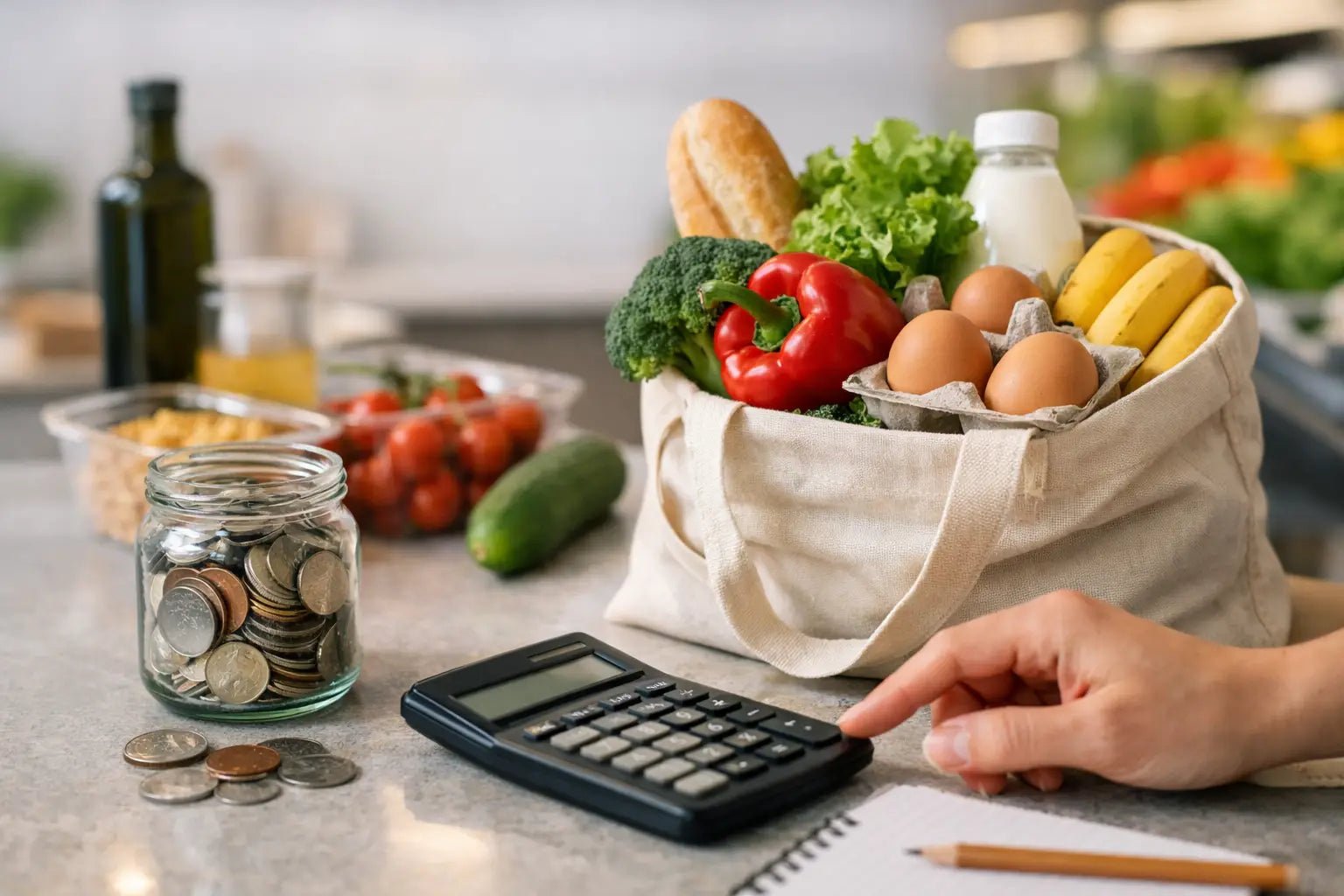
That moment when a basket of basics somehow costs far more than expected is familiar in plenty of UK households. If you want to save money on weekly groceries, the biggest wins usually come from a few steady habits rather than one dramatic cut. A smarter shop, a better plan and fewer wasteful extras can bring the total down without making meals feel mean.
The good news is that grocery savings do not have to mean giving up everything you like. In most homes, the issue is not one expensive item. It is the small overspends that build up - an extra snack here, a branded swap there, a second shop later in the week because nothing was planned properly. Tidy those up and the weekly bill often looks very different.
Save money on weekly groceries by planning before you shop
A cheap shop usually starts before anything goes into the basket. If you shop without a plan, you are far more likely to buy duplicate items, forget key ingredients and then spend again later to fill the gaps.
Start with what you already have. Check the fridge, freezer and cupboards before buying anything new. A lot of households already have enough pasta, rice, tinned tomatoes, cereal or frozen vegetables to cover part of the week. Building meals around those items reduces the number of things you need to buy straight away.
Then plan your dinners for the week in a realistic way. This matters. A seven-day meal plan only works if it matches real life. If Tuesday is always busy, that is not the day for a recipe with ten ingredients and an hour of cooking. A quick pasta, soup and bread, or freezer meal is more likely to be used, which means less waste and less temptation to order takeaways.
Write a list you will actually follow
A shopping list sounds obvious, but the useful part is making it specific. Writing "veg" or "lunch bits" leaves too much room for guesswork once you start browsing. Writing "2 cucumbers, 1 bag carrots, 6 yoghurt pots, 1 loaf wholemeal bread" keeps spending tighter.
It also helps to group the list by type of item - fresh food, freezer, cupboard, cleaning and toiletries. That makes it easier to shop quickly and avoid doubling back through tempting aisles. The longer you browse, the more likely extras end up in the trolley.
If you shop online, the same rule applies. Search for what you need, add it, and pause before browsing general offers. Convenience can save money, but only if it stops impulse buying rather than moving it onto a screen.
Stop paying extra for branding when the difference is small
One of the fastest ways to save money on weekly groceries is to be selective about where branding really matters. For some households, there will be a few products where only one brand will do. That is fine. The expensive mistake is assuming every item needs to be branded.
Staples like pasta, chopped tomatoes, rice, oats, flour, baked beans, washing-up liquid and kitchen roll often have lower-cost alternatives that do the job perfectly well. The saving on each item may look modest, but across a full weekly shop it adds up quickly.
The trade-off is that some cheaper swaps are better than others. You may love one own-label cereal and dislike another. That is normal. Test a few categories at a time instead of changing everything in one go. A household is more likely to stick to a cheaper shop if the food still suits the people eating it.
Buy flexible ingredients instead of one-use ingredients
Good value is not only about low shelf price. It is about how many meals an item can cover. A large bag of potatoes, a pack of wraps, eggs, frozen mixed vegetables, cheese, rice and a few tins can stretch across several lunches and dinners. A specialist sauce or niche ingredient bought for one recipe often costs more in the long run if the rest sits unused.
This is where practical meal planning makes a real difference. Roast chicken can become sandwiches, pasta or soup. A big chilli can cover dinner one night and jacket potato topping the next. Vegetables can move from side dish to stir-fry to soup before they spoil.
When budgets are tight, flexibility matters more than novelty. It keeps food useful and waste low.
Use the freezer properly
A freezer is one of the best money-saving tools in the house, but lots of people only use part of it. Frozen vegetables, fruit, fish, chips, bread and batch-cooked meals can all help lower the weekly spend and reduce waste.
Frozen produce is especially useful if fresh food often goes off before it gets used. You still get convenience, and usually better portion control as well. If you only need a handful of peas or some sliced peppers, you do not have to buy a full fresh pack and hope the rest gets eaten.
The same goes for meat reductions or larger packs. If you split them into portions and freeze them straight away, buying bigger can make sense. If you let them sit in the fridge and forget them, it is not a saving at all.
Watch the price per unit, not just the pack price
A lower price on the front of the packet does not always mean better value. Small packs often look cheaper, but the cost per 100g or per item can be much higher. Comparing unit prices gives a clearer picture, especially on cereal, coffee, nappies, laundry products and snacks.
That said, bulk buying only works when the product will definitely be used. A family household may save by buying large packs of pasta, toilet roll or cleaning products. Someone living alone might be better off buying less, even if the unit price is slightly higher, because waste or storage problems can cancel out the benefit.
This is one of those areas where it depends on the household. Value is not about the biggest pack every time. It is about the smartest pack for your real usage.
Cut down the expensive extras
Most weekly grocery bills are pushed up by extras rather than meals. Ready-made desserts, individual drinks, grab-and-go snacks, branded multipacks and convenience foods can quietly take a large share of the budget.
That does not mean cutting every treat. It means choosing them on purpose. A planned pack of biscuits for the week is different from five unplanned extras added while browsing. If lunches and snacks are where your spending runs away, focus there first. Fruit, toast, yoghurt, crackers, homemade sandwiches and larger snack packs portioned at home are often much better value.
Households with children usually see this quickly. Packed lunch items are handy, but they can be among the priciest products for what you actually get.
Shop less often if impulse spending is the problem
A top-up shop sounds harmless, but it is often where budgets go off course. Going back for milk and bread can easily turn into another £15 or £20 on bits that were not needed.
If that pattern sounds familiar, try doing one main shop and one very small planned top-up at most. Keep a short list of emergency basics at home such as long-life milk, pasta, freezer veg, bread in the freezer and tinned soup. That gives you more room to stretch meals without making another trip.
For many shoppers, using one dependable online basket for groceries and household essentials helps here. It keeps spending visible and reduces the pressure of aisle-by-aisle temptation. For price-conscious homes, that convenience can be part of the saving, not just an added extra.
Time your offers and stock up wisely
Offers can help, but only when they match products you already buy. Multi-buy deals on random items are rarely a saving. Discounts on staples, toiletries, baby products, pet food or household goods you use every week are far more useful.
This is where combining categories in one shop can help with overall spending. If you can pick up groceries, cleaning products, personal care and household basics together at a low price, it is easier to keep the full weekly budget under control instead of treating each category separately. That is often where shoppers find better overall value with retailers such as Honesty Sales.
The key is not to stockpile for the sake of it. Buy ahead on shelf-stable items and freezer-friendly products you know will be used. Leave the rest.
Keep a realistic weekly budget and review it
A grocery budget works best when it reflects how you actually live. Set it too low and the plan falls apart by midweek. Set it with a little room for real meals, school lunches, packed lunches, toiletries and cleaning supplies, and it becomes something you can stick to.
It helps to review one or two receipts or orders each week. Look for repeat overspends. Are drinks costing more than expected? Are convenience foods creeping in? Are you buying the same fresh items and throwing them away? A quick review makes the next shop easier to trim.
Saving on groceries is rarely about perfection. It is about noticing patterns and improving them bit by bit.
Focus on repeatable habits, not one-off cuts
The households that save the most are usually not the ones making dramatic changes for one week. They are the ones repeating simple habits that work: checking what is already in, planning meals, sticking to a list, using the freezer, swapping some brands, and being careful with extras.
If you try to change everything at once, it can feel like hard work and be difficult to maintain. Start with two or three changes that suit your routine. Once they become normal, add another. That is how a lower weekly grocery bill becomes consistent rather than temporary.
A cheaper shop should still feed the household properly, fit around busy days and feel manageable. If your plan does that, you are much more likely to keep it going week after week.

