
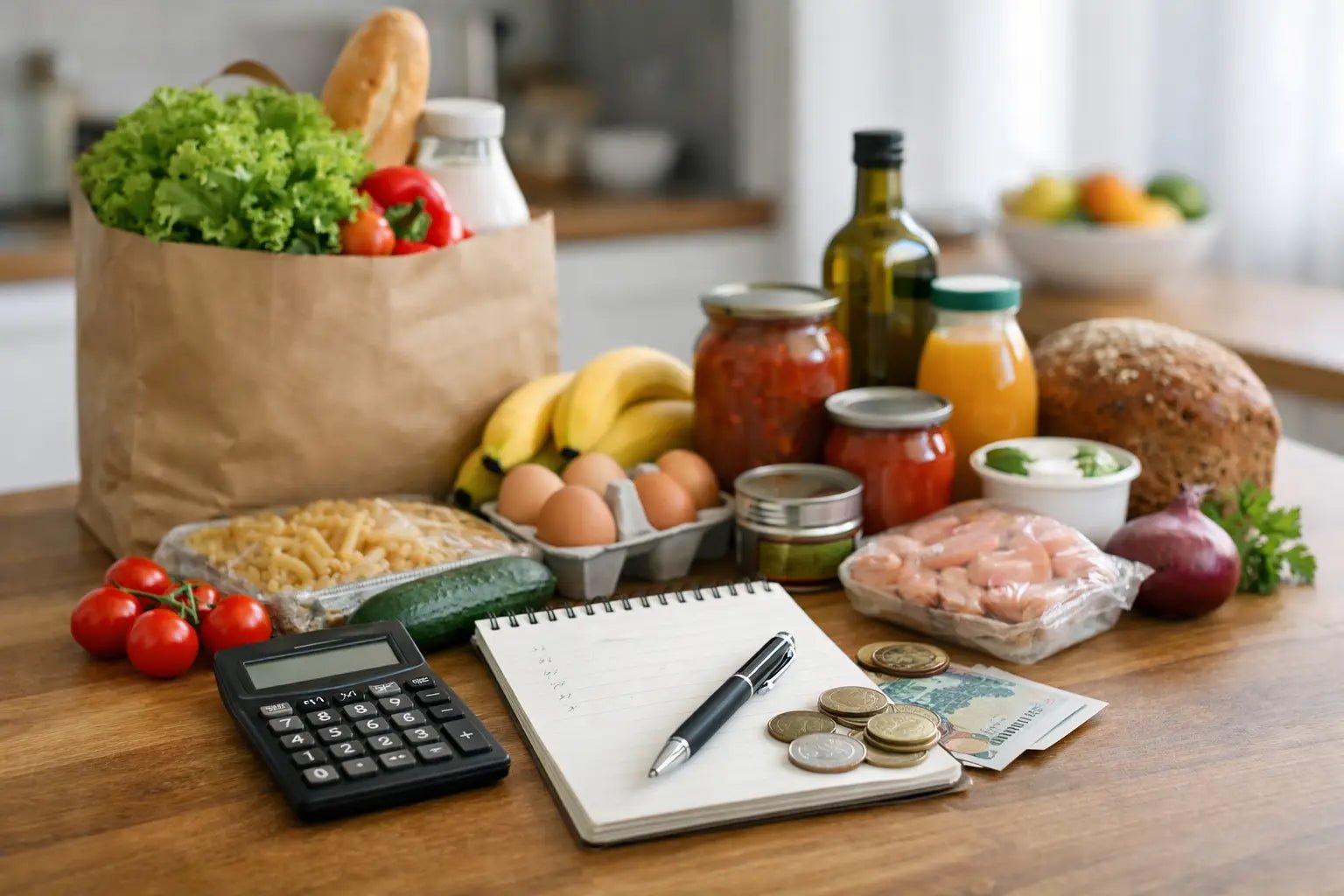
A full trolley can feel reassuring until the total at checkout says otherwise. This weekly grocery budget case study follows a family of four working with £85 for seven days of breakfasts, packed lunches, evening meals and a few snacks. It is not a plan built around perfect meal prep or expensive specialist products. It is a realistic shop based on familiar cupboard staples, flexible ingredients and using what is already at home.
The household is two adults and two school-age children. They have cooking oil, salt, pepper, a few herbs and spices, plus tea and coffee in the cupboard. The £85 budget includes food only, not cleaning products, toiletries, alcohol or pet food. Those items still need a place in a household budget, but separating them makes it easier to see what the grocery spend is doing.
The £85 weekly grocery budget case study
The aim was not to buy the cheapest possible item in every aisle. It was to buy enough useful food to cover the week without relying on takeaways, repeated top-up shops or throwing fresh food away by Friday. That means choosing lower-cost own-brand basics where quality is comparable, then spending selectively on items that make meals easier to eat and repeat.
The shop was split into four working areas: £24 for cupboard and freezer staples, £28 for fresh food and protein, £18 for breakfast and lunch items, and £15 for snacks, fruit and a small buffer. Prices vary by retailer, location and weekly offers, so these figures are a guide rather than a promise. The useful part is the method.
Cupboard and freezer staples: £24
This part of the shop covered a large bag of rice, pasta, oats, tinned tomatoes, baked beans, tinned sweetcorn, red lentils, stock cubes, wraps, frozen peas, frozen mixed vegetables and a loaf of bread. These products do most of the heavy lifting because they store well, stretch meals and can be used in more than one recipe.
For example, lentils were added to a tomato-based bolognese-style sauce to make mince go further. Frozen vegetables appeared in a curry, a pasta bake and a quick egg fried rice. Nothing was bought for one single meal unless it could also be used at lunch or later in the week.
Frozen food is particularly helpful for a strict budget. It is not always cheaper than fresh food, especially when fresh produce is in season or reduced, but it gives better control over waste. A bag of frozen peas only costs what the family uses, rather than becoming a forgotten item at the back of the fridge.
Fresh food and protein: £28
The family bought chicken thighs, a pack of mince, eggs, milk, cheese, yoghurt, potatoes, onions, carrots, bananas, apples, a cabbage, peppers and salad leaves. This mix created enough variety without filling the fridge with delicate produce that needed eating immediately.
Chicken thighs were chosen over breast fillets because they were better value and worked well in traybakes, curry and sandwiches. Mince was used once as the main protein and once stretched with lentils. Eggs provided an affordable back-up meal, whether scrambled on toast, used in fried rice or made into an omelette with leftover vegetables.
The trade-off is clear: buying a bigger range of fresh meat, branded yoghurts, prepared salads and individual snack packs would make the trolley more convenient, but the budget would tighten quickly. Choosing versatile ingredients leaves room for fruit and lunchbox food while still making dinners feel different.
Breakfasts, lunches and snacks: £33
Breakfast was based on porridge, cereal, toast, eggs, bananas and yoghurt. Keeping breakfasts simple matters more than it sounds. If everyone starts the day with a filling meal already in the house, there is less chance of spending extra on café food, pastries or a rushed shop on the way to school.
Lunches used wraps, bread, cheese, leftover chicken, egg filling, baked beans and fruit. One evening meal was planned with leftovers in mind: roast-style chicken thighs with potatoes, carrots and cabbage became chicken wraps the next day. This is not about making every meal look identical. It is about cooking one extra portion when the oven is already on.
The final £15 was not treated as spare cash to spend automatically. It was held for snacks, a reduced item, an extra pint of milk or a replacement if something essential was unavailable. A small buffer is what stops an £85 plan becoming a £105 week after several unplanned mini-shops.
The seven-day meal plan
The dinners were planned before shopping, but only loosely. Monday was lentil and mince pasta with frozen vegetables. Tuesday was chicken traybake with potatoes, carrots and cabbage. Wednesday used leftover chicken in wraps, with sweetcorn and salad. Thursday was vegetable and chickpea-style curry with rice, using tinned tomatoes, onions, peppers and frozen vegetables.
Friday was egg fried rice with peas and any remaining cooked vegetables. Saturday was baked potatoes with beans, cheese and salad. Sunday used the last of the vegetables in a pasta bake, with a simple tomato sauce and cheese on top. Breakfasts and lunches were repeated by design, because variety is more valuable at the evening meal when everyone is together.
There is room to adapt this plan. A vegetarian family could replace chicken and mince with extra pulses, tofu or vegetarian frozen items, depending on local prices. A household with teenagers may need a bigger budget or more filling carbohydrates. If packed lunches are not needed, that money can move towards larger evening portions or more fresh fruit.
What kept the total under control
The biggest saving did not come from one clever swap. It came from avoiding overlapping purchases. Buying wraps, rolls, bagels and sliced bread in the same week may offer choice, but it often creates waste. Choosing one or two lunch bases means the food is more likely to be finished.
The family also checked the fridge before placing the order. Half a bag of rice, an unopened jar of curry paste or a few potatoes can change the plan. Shopping from a list is useful, but shopping from an honest view of what is already at home is better.
Offers were treated carefully too. A multibuy only saves money when it replaces something that was already on the list and will be used before its date. Two large bags of salad at a tempting price are not a bargain if one ends up in the bin. The same goes for large packs of fruit when the household is busy or away for the weekend.
At Honesty Sales, combining grocery staples with everyday household needs in one order can also reduce the temptation to make separate convenience purchases elsewhere. The key is to keep the basket purposeful: replenish essentials you genuinely need, rather than adding items simply because they are discounted.
Where this budget can change
An £85 weekly spend will not suit every household. Dietary requirements, regional pricing, school holidays and the age of children all affect the total. Families who need gluten-free, dairy-free or specialist foods may need to assign more of the budget to those essentials and simplify elsewhere. It can also make sense to buy certain products in larger quantities when the unit price is better and storage space allows.
The goal is not to copy this basket item for item. It is to borrow the decisions behind it: plan meals around shared ingredients, protect a small buffer, use frozen food to manage waste and keep a few low-cost meals ready for busy nights. When the week gets hectic, a cupboard with pasta, tins, rice and eggs is often worth more than an ambitious menu that needs another trip to the shops.
Before your next grocery order, choose three evening meals that use the same vegetables or protein, add two reliable cupboard meals, and leave a little of the budget unspent. That small bit of breathing room can make the whole week easier to manage.

