
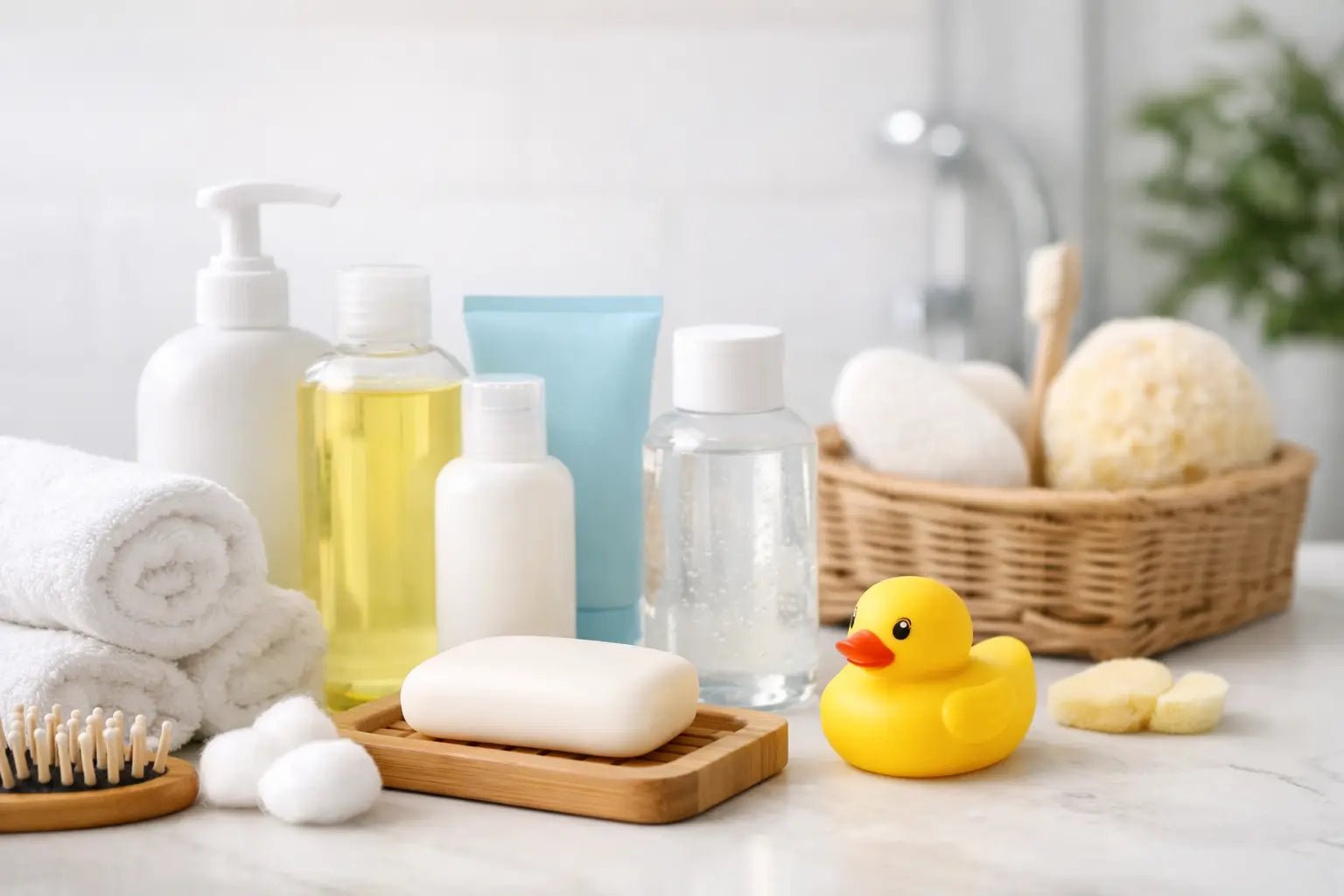
The bathroom cupboard can quietly become one of the most expensive parts of the weekly shop. Shampoo runs out, children need toothpaste, a new deodorant gets added to the basket, and suddenly a handful of small essentials costs far more than expected. This guide to affordable family toiletries helps you buy the everyday products your household actually uses, without paying extra for packaging, impulse choices or products that go to waste.
Affordable does not have to mean poor quality. It means choosing sensibly, comparing what you get for the price, and keeping a practical supply of the items that matter most. For busy families, that can make the difference between a last-minute expensive shop and a routine that stays on budget.
Start with the toiletries your family really uses
A low-cost toiletries shop starts with a clear list, not a tempting offer. Every household is different, but most families regularly need toothpaste, toothbrushes, soap or body wash, shampoo, conditioner, deodorant, toilet tissue, feminine care products, shaving items and basic skincare.
Look in the bathroom, kitchen and school bags before placing an order. You may find three partly used bottles of shampoo but no spare toothpaste, or enough hand soap for a month but no children’s toothbrushes. Buying around real use prevents duplicates and makes the budget work harder.
It helps to separate products into two groups: everyday essentials and occasional extras. Essentials are the items that run out consistently and should be replaced before the last one is opened. Extras include specialist masks, premium fragrances and products bought to try once. There is nothing wrong with a treat, but it should not take the place of a family essential.
Make one list for the whole household
Instead of letting each person add items separately, keep a shared running list. Add a product when it is nearly finished, rather than after it has run out. This reduces emergency trips to the shops, where convenience often costs more.
For larger families, note who uses what. A gentle wash may be needed for a baby or sensitive skin, while teenagers may use more shampoo, deodorant and spot care products. A single list makes those differences visible and helps you buy the right quantities.
Compare unit prices, not just shelf prices
The cheapest-looking pack is not always the best value. A larger bottle or multipack can have a higher upfront price but a lower cost per 100ml, per roll or per item. Checking the unit price gives a fairer comparison, especially for shampoo, shower gel, toothpaste, wipes and toilet tissue.
That said, bigger is not automatically better. If a product is new to your family, buy one first. A large bottle of shampoo that nobody likes is not a saving. The same applies when storage is limited or when a product has a shorter useful life after opening.
Multipacks tend to make sense for products with predictable demand. Toothpaste, soap, deodorant, sanitary products and toilet rolls are often safe choices because they will be used. For items that vary by preference, such as fragrance or haircare, smaller packs can be the more sensible option.
Build a practical family toiletries cupboard
A well-stocked cupboard is not about filling shelves with every possible product. It is about keeping enough of the basics so the household is covered between shops. Set a simple minimum level for the things you never want to run out of, such as one unopened toothpaste, a spare soap refill and a backup pack of toilet tissue.
Keep the stock in one visible place where possible. When toiletries are spread across bathroom cabinets, drawers and bags, it is easy to buy items you already have. Group similar products together and put newer stock behind older stock, so older bottles and packs are used first.
Avoid opening several products of the same type at once. One open shampoo, one open shower gel and one open toothpaste per person is usually enough. This keeps the space tidier, reduces waste and makes it easier to see when replacements are needed.
Use family-sized products with care
Family-sized hand wash, body wash and shampoo can be good value, particularly when the product suits everyone. Pump bottles can also make it easier to control how much is used. Children often use more than they need when a bottle is easy to squeeze, so a pump or measured dispenser can make a bottle last longer.
However, shared products are not right for every household. Someone with eczema, allergies, very dry skin or a scalp condition may need a specific formula. Those products are not an unnecessary expense if they prevent discomfort or avoid a problem getting worse. Save on general-use items, then make room in the budget for the products a family member genuinely needs.
Where families often lose money
Small buying habits can add up over a year. The usual culprits are buying a branded version out of habit, replacing products before they are finished, choosing novelty children’s packaging, and picking up travel-sized items for everyday use. Travel sizes are useful for holidays, hospital bags and overnight stays, but they are rarely the best value for the bathroom shelf.
Promotions also deserve a quick check. A multi-buy deal is only a deal when you would have bought every item anyway. If an offer encourages you to buy a product that will sit unused, the household has spent more, not less.
Be cautious with products that promise several benefits but cost much more than a basic alternative. A combined shampoo and conditioner may save time for some families, while separate products may suit different hair types better. It depends on how well the product works for the people using it. Price matters, but so does avoiding a cupboard full of half-used bottles.
Save without compromising on hygiene
There are a few areas where buying the cheapest option should be considered carefully. Toothpaste should contain fluoride appropriate for the user, and children should use a toothpaste suited to their age and dental advice. Hand soap, shower products and deodorant should be comfortable to use often, otherwise people may simply avoid them.
For babies and sensitive skin, fragrance-free or gentler options may be worth the extra cost. Read the label rather than relying on front-of-pack claims alone. If a product causes irritation, stop using it and choose an alternative. Saving a small amount is not worthwhile if it leads to discomfort or a replacement purchase.
You can still control the spend by keeping specialist products targeted. One family member may need a particular moisturiser, but that does not mean the whole household needs the same premium product. Match each item to the person and purpose.
Shop by routine, not by panic
Choose a regular time to check toiletries, perhaps alongside the grocery shop. This gives you time to compare pack sizes and prices rather than grabbing whatever is available locally. Ordering household essentials together can also make the shop simpler, particularly when you are already buying food, cleaning supplies or baby care products.
Honesty Sales offers a straightforward way to add practical health, beauty and household essentials to the same value-focused order. Keeping routine purchases together can reduce the number of separate shops and help families stay focused on what they need.
Before checking out, remove anything that was added because it looked interesting rather than useful. Then ask three quick questions: Will we use this? Do we need it before the next shop? Is this the best pack size for us? Those questions are simple, but they protect the budget from the small extras that usually cause the overspend.
Make affordable choices easier next month
After a few shops, you will know which products last, which offers are genuinely useful and which items never get finished. Keep that information in your list. A family toiletries budget does not need to be perfect from the start - it only needs to get more practical over time.
The best low-cost routine is one that leaves your household clean, comfortable and prepared, with fewer rushed purchases and more money available for the rest of family life.

