
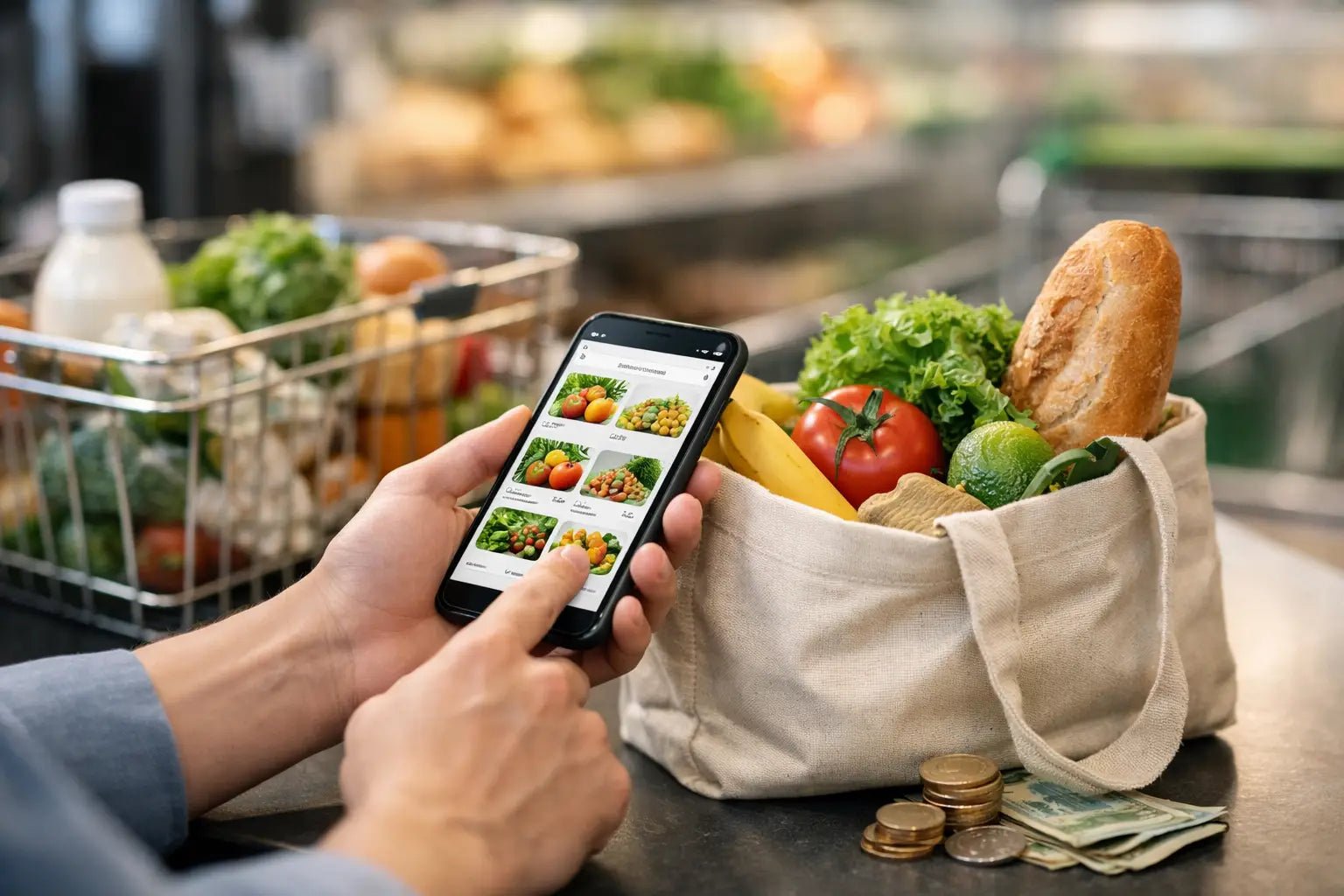
A weekly food shop can quickly grow when cupboard staples, cleaning products, toiletries and family essentials are bought separately. The real value grocery app benefits come from putting those routine purchases in one easy place, where you can check prices before you buy and avoid paying more than you planned.
For households watching every pound, an app is not just a quicker way to place an order. Used well, it can help make shopping more organised, reduce forgotten items and make it easier to spot practical savings across the products you use most.
Why value grocery app benefits matter for household budgets
The biggest advantage is visibility. When you shop from a list on your phone, you can see what is in your basket before checkout rather than making decisions aisle by aisle. That gives you a chance to remove duplicates, switch to a better-value size or postpone a non-essential extra.
This matters most for repeat purchases. Tea bags, tinned food, pasta, breakfast supplies, washing-up liquid, toilet roll and shampoo may not seem costly on their own. Together, they make up a large part of the regular household spend. Seeing prices clearly lets you make deliberate choices across the full basket.
A value-focused grocery app can also make price comparison less time-consuming. Instead of travelling between shops or opening several tabs, customers can search for the item they need, compare pack sizes and add suitable alternatives in minutes. The best choice is not always the lowest shelf price. A larger pack may cost less per use, but only if your household will use it before it goes to waste.
Build a useful shopping list before you browse
The quickest way to lose control of a grocery budget is to shop without a plan. Start with what is already at home, then write down meals, packed lunches and household jobs for the week ahead. This creates a list based on real needs rather than attractive offers.
Keep the list simple. Separate food for meals from household and personal-care items so you can see where the money is going. If you have children, include lunchbox staples, baby care or snacks as their own section. If you buy for a workplace, add tea, coffee, cleaning supplies and catering essentials separately from personal purchases.
Shopping through an app makes this process easier because the list can stay with you. Add an item when you notice it is running low, rather than relying on memory at the end of the week. A running list helps prevent emergency trips for one missing item, which often turn into a much larger spend.
Buy by need, not by offer alone
Offers can be useful, but a low price is only a saving when the product suits your routine. Before adding a multi-pack, consider storage space, expiry dates and how quickly it will be used. Bulk buying works well for long-life pantry goods, cleaning products, toiletries and pet care. It may be less sensible for fresh food in a small household.
It also pays to compare the exact product. Check the quantity, brand, flavour and format rather than assuming two similar-looking items offer the same value. A cheaper pack can cost more per 100g, per wash or per use. On the other hand, paying slightly more for a product your family genuinely likes may prevent waste.
A good rule is to keep a small group of dependable essentials in regular rotation. Once you know the products that work for your household, it becomes easier to notice a strong price and avoid trying items that are unlikely to be used.
Save time by combining everyday categories
Food shopping rarely stops at food. Many households need batteries, bin bags, toothpaste, pet food, baby products, workwear or stationery at the same time. Buying these from separate retailers can mean several checkouts, delivery charges and more time spent searching.
One of the most practical value grocery app benefits is the ability to combine categories in a single order. You can add pantry staples alongside health and beauty products, household cleaning, clothing or office supplies while you are already shopping. That is particularly helpful for busy parents, carers and small businesses that need regular supplies without repeated trips.
There is a trade-off. A single large order can make it easier to add unplanned items, so return to your original list before checkout. Ask whether each extra is needed now, whether it replaces a planned purchase elsewhere and whether the price fits your budget.
Use search and categories to shop with purpose
Large catalogues are useful when they are approached with a clear goal. Search for the exact item first, then use categories to find alternatives if it is unavailable or outside your budget. This is faster than scrolling through products that do not match your needs.
For a cupboard restock, browse pantry and grocery categories. For a household reset, move through laundry, cleaning and paper goods. For a new baby or growing family, focus on the relevant baby, clothing and personal-care sections. Shopping by task keeps the basket practical.
When comparing choices, look for familiar information: quantity, product description, price and suitability. If an item is new to you, buy one sensible-sized pack before committing to a larger quantity. This keeps experimentation affordable and reduces the risk of waste.
Plan orders around delivery and storage
Online grocery value is about the full cost, not just the price of individual items. Check delivery information before placing an order, especially if you need products by a certain day. A delivery guarantee and clear support can provide reassurance when you are buying essentials for a household, workplace or family event.
It is also worth planning where items will go when they arrive. Make room for frozen goods, heavier packs and bulk purchases before ordering. If you are short on cupboard space, smaller regular orders may be better than a large stock-up, even when a bigger pack appears cheaper.
At Honesty Sales, shoppers can bring together everyday groceries and general household needs while looking for low prices, free shipping and straightforward customer protections. That can make routine buying simpler, particularly when several types of essentials are due at once.
Keep a realistic repeat-buy routine
A grocery app is most useful when it supports a routine rather than encourages constant browsing. Review your regular list once a week, remove items you still have and add what will genuinely be needed. This takes only a few minutes and can make a noticeable difference over a month.
For products you buy often, keep an eye on the price and pack size you usually choose. You do not need to chase every deal. The aim is to know what fair value looks like for your own household. That makes genuine savings easier to recognise and helps you avoid buying more simply because something is marked as an offer.
If your budget is tight, split purchases into priorities. Start with meals, basic hygiene and cleaning essentials. Add treats, seasonal products or non-urgent items only when the core list is covered. This is not about removing every enjoyable purchase. It is about making sure the essentials are affordable first.
When an app may not be the cheapest option
A value grocery app will not be the best answer for every purchase. If you only need one item immediately, a nearby shop may be more convenient. Fresh products can also depend on your preferences, storage and delivery timing. Some customers prefer to choose certain fruit, vegetables or bakery goods in person.
The sensible approach is to use online shopping where it saves time, reduces travel and helps you control spending. Use local shops when speed or personal selection matters more. Value is not only about the lowest possible price. It is also about getting the right products, in the right amount, with less hassle.
The strongest saving often starts before you press checkout: keep a clear list, compare like for like, buy quantities your household can use and choose a delivery option that fits your week. Those small habits turn an everyday grocery app into a practical tool for spending with confidence.

