
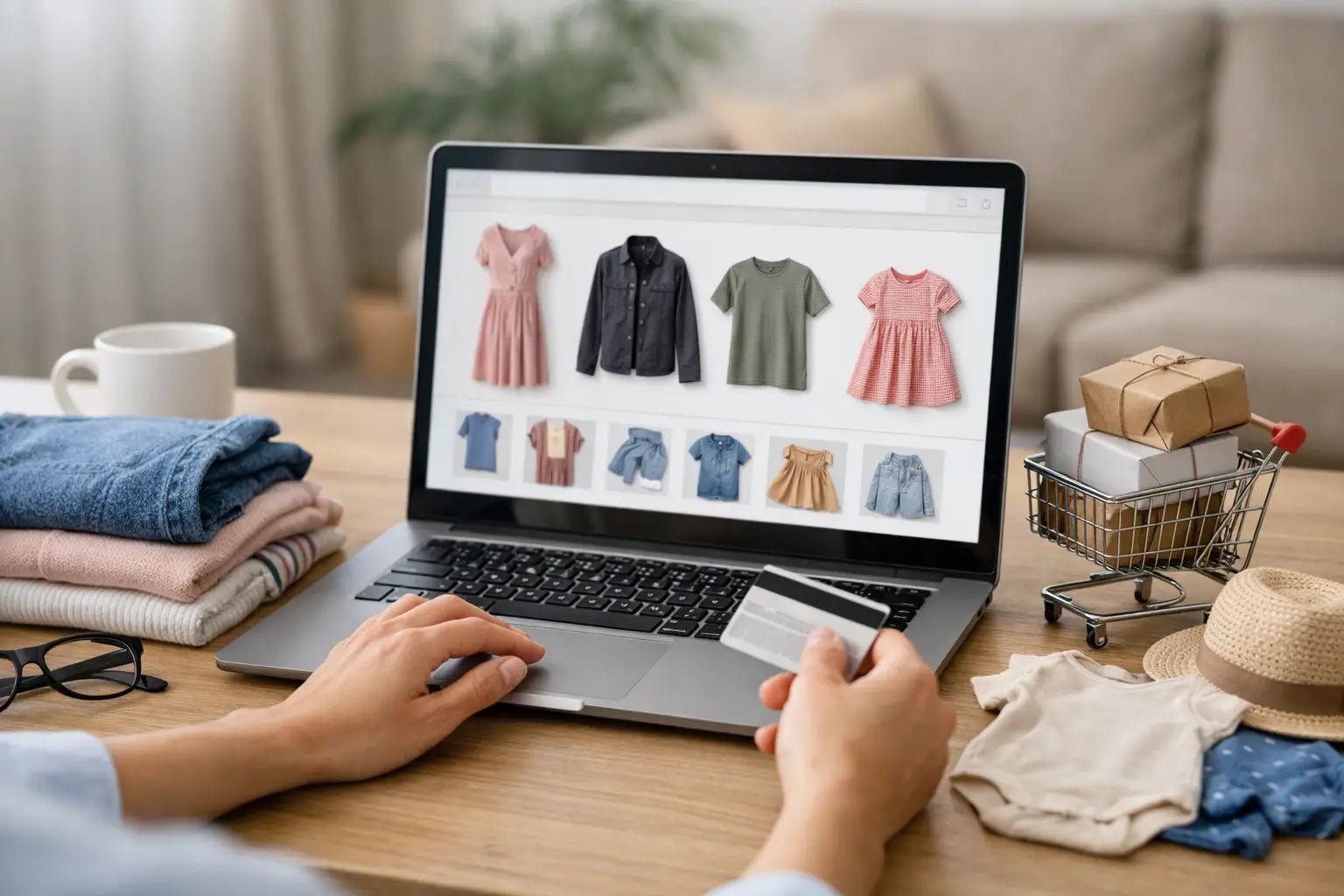
A school jumper that fits in September can be too short by half-term. Trainers disappear under muddy football kits, babies outgrow sleepsuits quickly, and adults still need clothes that work for work, weekends and everything between. This guide to buying family clothing online helps you make practical choices, keep spending under control and avoid a basket full of items that do not suit your household.
Buying online gives families more choice and makes it easier to compare prices without visiting several shops. The trade-off is that you cannot feel the fabric or try the fit before paying. A simple plan makes that trade-off far easier to manage.
Start with what your family actually needs
Before browsing offers, make a short list by person and purpose. Separate everyday basics from items needed for a particular event, season or activity. A child may need school socks and jogging bottoms now, while a winter coat can wait until closer to colder weather. This stops an attractive discount from turning into an unnecessary purchase.
Think about how often each item will be worn. T-shirts, underwear, socks, leggings, schoolwear and workwear tend to earn their place because they are used repeatedly. Occasionwear may need less of the budget unless it can be worn again. For growing children, buying too far ahead can be false economy if a growth spurt or change in taste means the item is never used.
It also helps to look at the washing pile, not just the wardrobe. If you are regularly washing the same few pairs of trousers or uniform tops, that is a clearer sign of a genuine gap than simply wanting something new.
Set a family clothing budget before adding items
A budget is not about choosing the cheapest item every time. It is about putting money where it will make the most difference. Allocate more of the spend to garments that need to last, such as a dependable coat, shoes worn daily or durable work trousers. Save on simple layers and basics where multipacks or value ranges can make good sense.
Online shopping makes comparison easier, but compare like for like. Check the pack quantity, material, size range and delivery cost as well as the headline price. A low-priced single item may not be the better value against a multipack that covers several weeks of wear. Equally, a multipack is only a saving if every item will be used.
Try building the basket in two stages. Add the essentials first, then leave it for a few minutes before adding extras. When you return, ask whether each extra fills a real need, replaces something worn out or works with clothes already owned. This small pause can protect a tight household budget.
Use measurements, not assumptions
Sizes vary between brands, styles and age ranges. A labelled age is a starting point, not a promise of fit, particularly for children. Measure the chest, waist, hips, inside leg and height where relevant, then compare those figures with the size guide provided for the item.
For babies and younger children, allow room for nappies, layers and movement. For older children, consider whether they are between sizes or likely to grow soon. Sizing up can be sensible for coats, hoodies and loose nightwear, but it is less useful for footwear, fitted school trousers or anything that could become uncomfortable or unsafe if too loose.
Adults should also check the cut. Regular, slim, relaxed and oversized fits can have very different results even when the size label is the same. Read product details for garment measurements, stretch fabrics, adjustable waists and length information. If a household member already owns an item that fits well, measuring it flat can give a useful reference point.
Check footwear with extra care
Shoes are one area where guessing can lead to waste. Measure both feet while standing, ideally later in the day, and use the larger measurement. Leave appropriate growing room for children, but do not buy shoes so large that they slip or affect walking. Look for details such as fastening type, width options, lining and sole grip, especially for school shoes, work footwear and wet-weather boots.
Read fabric and care details before you buy
A good-looking price means little if the fabric is unsuitable for family life. Cotton-rich basics are often comfortable and easy to wear, while polyester blends can be useful for quick drying, colour retention and busy laundry routines. For active children, look for fabrics that are comfortable, allow movement and cope well with frequent washing.
Consider the job of the garment. A pale top may be fine for occasional wear but less practical for a child who paints, eats school lunches and plays outdoors. Darker colours, patterned fabrics and easy-care materials can reduce the pressure of keeping everyday clothes looking presentable.
Care instructions matter too. If an item requires specialist washing, hand washing or ironing that your household will not realistically do, it may stay unworn. For schoolwear and workwear, check whether it can be washed at the temperatures you normally use and whether it is likely to dry quickly between wears.
Build outfits, not isolated bargains
The best family clothing purchases work with what is already in the drawer. Before choosing a new jumper, trousers or skirt, picture at least two outfits it can join. Neutral colours often make this easier, particularly for basics, while one brighter item can add variety without requiring a whole new set of clothes.
For children, practical outfit planning reduces morning stress. A small rotation of tops, bottoms and layers that all work together is often more useful than lots of one-off pieces. Keep school clothing, sports kit and weekend clothes distinct enough to be easy to find, but choose items that can handle real life.
There is still room for personal preference. Older children may be more likely to wear clothes they helped choose, so agree a budget and let them select within it. This can prevent unworn purchases while giving them some say over their wardrobe.
Check the full cost and the retailer's protections
Before placing an order, review the final basket total rather than relying on individual product prices. Check delivery charges, any minimum spend for free shipping, dispatch estimates and whether all items are ready to send. If a purchase is needed for school, a holiday or a new job, allow time for delivery and possible exchanges.
A clear returns policy is especially valuable when buying clothing online. Check the return window, condition requirements and whether return postage is covered. Keep packaging and labels on until the fit has been checked at home. If there is a problem with an item, take clear photographs and contact the retailer promptly.
At Honesty Sales, families can shop practical clothing alongside household staples, personal care and other everyday needs. Consolidating routine purchases can save time, but only if you still check each item, its size and the final order total carefully.
A quick check before you place the order
Use these four questions to keep the basket useful:
- Does this item replace something worn out, meet a current need or cover an upcoming event?
- Have I checked the size guide and compared it with recent measurements?
- Will it work with at least two items already owned?
- Do I know the delivery and returns terms if the fit is not right?
Make future clothing shops easier
Save time on the next order by keeping a simple note of each family member's current measurements, preferred sizes and items that fitted well. Update children's details every few months, or before seasonal shopping. Note brands or cuts that came up small, came up large or washed particularly well.
It is also worth reviewing wardrobes at the end of each season. Put aside clothes that no longer fit, need repairing or can be passed on. This gives you an accurate picture of what is needed before the next school term, cold spell or family occasion arrives.
A well-planned online clothing order does not need to be perfect. It needs to suit the people who will wear it, the washing routine you can maintain and the budget you have set. Choose useful pieces first, check the details, and let the savings come from buying fewer clothes that genuinely earn their place.

