
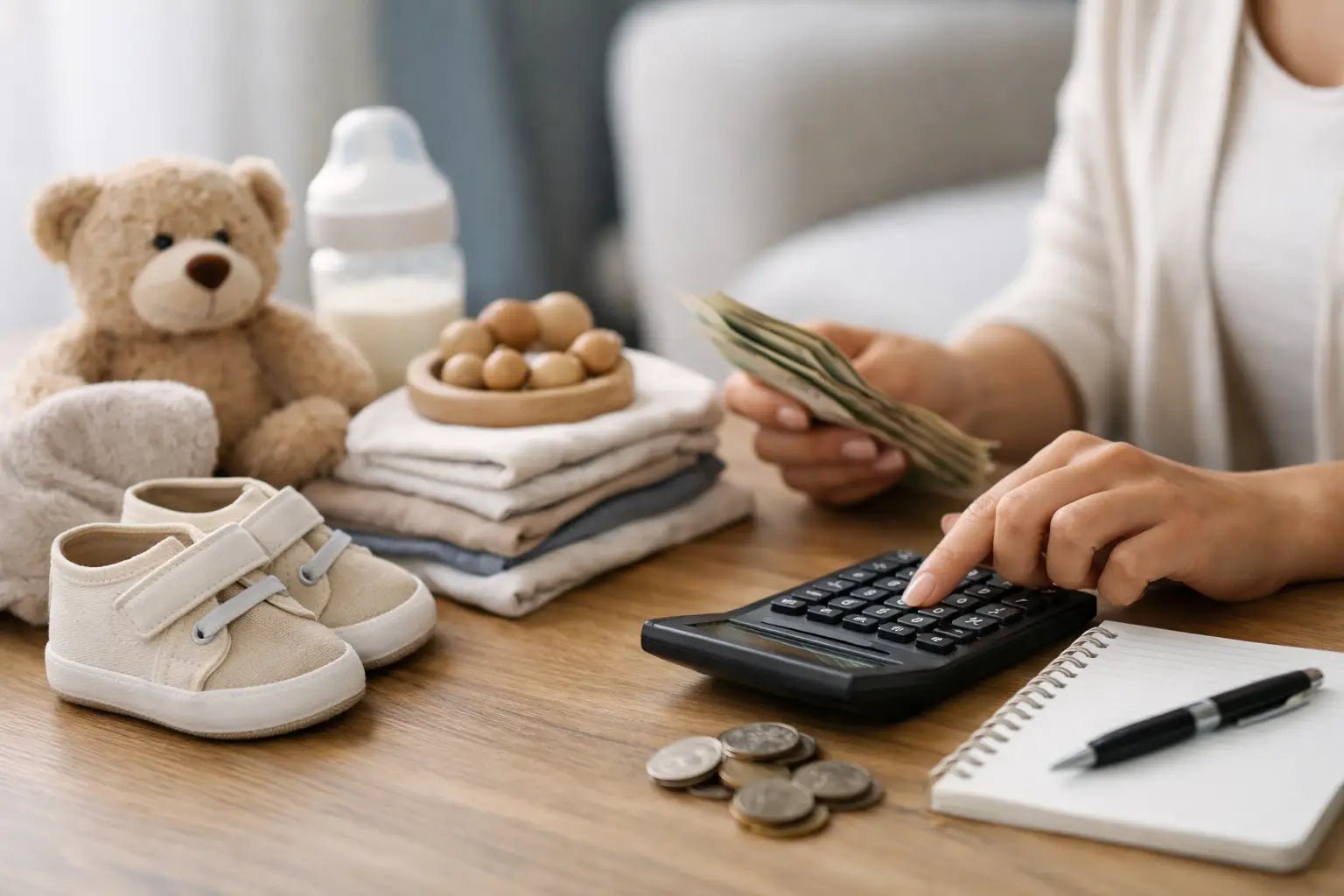
A baby can make a shopping basket grow very quickly. One minute you are looking for nappies and a pack of muslins, and the next you are comparing gadgets, nursery sets and bundles full of things you may barely use. If you are wondering how to buy baby essentials without spending more than you need to, the simplest answer is this: start with daily basics, buy for the first few weeks, and ignore the pressure to get everything at once.
That approach saves money, but it also makes life easier. New parents do not need a showroom of matching products. They need reliable items that cover feeding, changing, sleeping, clothing and getting out of the house. Once those are sorted, everything else becomes a choice rather than a panic buy.
How to buy baby essentials with a clear plan
The easiest way to overspend is to shop category by category without deciding what your household actually needs. Before buying anything, think about your routine. Are you bottle feeding, breastfeeding or doing a mix of both? Do you need a travel system for daily school runs, or just a simple pram for occasional outings? Will your baby sleep in your room at first? These answers matter because they change what counts as essential.
It also helps to shop in stages. Buy enough for the newborn period first, then add more once you know what works for your baby. Some babies go through clothing sizes faster than expected. Others do not get on with certain bottles, dummies or skincare products. Buying smaller quantities at the start often works out better than stocking up on the wrong thing.
Price is only one part of value. A low-cost item that does the job well is a good buy. An expensive item that promises convenience but ends up unused is not. For most families, the sweet spot is practical, safe and affordable.
Start with the true essentials
When people talk about baby shopping, the list can become endless. In reality, a newborn needs fewer things than the marketing suggests. The essentials usually fall into five areas: nappies and changing, feeding, sleep, clothing and travel.
For changing, the basics are straightforward. Nappies, cotton wool or baby wipes, nappy bags and a changing mat will take you a long way. A dedicated changing table can be useful if you have the space, but plenty of parents manage perfectly well with a mat on a bed or chest of drawers.
For feeding, keep it tied to your plan rather than buying every option. If you are breastfeeding, you may only need muslin cloths, nursing pads and a few bottles for flexibility later on. If you are bottle feeding, focus on bottles, teats, formula if needed, and a sterilising method that suits your kitchen and routine. Bottle warmers and prep machines can be handy for some households, but they are not universal must-haves.
Sleep is another area where simple often wins. A safe cot or Moses basket, fitted sheets and lightweight baby sleepwear are the main priorities. Fancy bedding sets, pillows and cot accessories can look appealing, but many are unnecessary and some are not suitable for very young babies.
Clothing is where many families buy far too much. Babies need soft, washable basics rather than a wardrobe full of outfits. Sleepsuits, vests, socks or booties, a cardigan and outdoor layers for the weather are usually enough to begin with. Newborn sizes can be outgrown quickly, so buying a mountain of tiny clothes is rarely the best value.
Travel depends on your lifestyle, but a safe car seat is non-negotiable if you travel by car. Beyond that, think practically. Some families need a full pram system. Others are better off with a simple buggy and baby carrier.
Where parents often waste money
A lot of overspending comes from buying for imagined problems instead of real ones. A wipe warmer may sound useful, but plenty of babies cope perfectly well without one. Designer changing bags, themed nursery décor and duplicate versions of the same product can also inflate the total very quickly.
Bundles can be another trap. Some offer real savings, especially if they include items you already planned to buy. Others package together useful basics with slow-moving extras to make the deal look better than it is. Always check the contents line by line and ask yourself whether you would have chosen each item on its own.
Brand names can push costs up as well. In some categories, paying more gives you better durability or a specific feature. In others, you are paying for packaging and reputation. Nappies, baby toiletries and muslins are good examples of products where many parents find affordable options work just as well.
How to compare value, not just price
If you want to know how to buy baby essentials sensibly, compare products by use and lifespan. A multipack of vests at a good price is often better value than individual pieces. A sturdy high chair that lasts from weaning into toddlerhood may be a smarter buy than a cheaper one that needs replacing quickly.
That said, not every product needs to last for years. Newborn mittens, small hats and first-size bibs are short-term items. It makes sense to keep costs lower there. Save more careful spending for products with bigger safety implications or heavier daily use, such as a car seat, cot mattress or pram.
Returns policies, delivery guarantees and price adjustments can matter too. They are easy to overlook when you are focused on product cost, but they add value if something arrives wrong, if prices change, or if you need the reassurance of straightforward support. For budget-conscious parents, that peace of mind is part of the purchase.
Buy for your home, not somebody else’s checklist
Every family setup is different. If you live in a smaller flat, space-saving products may matter more than nursery furniture sets. If you are mostly at home, you may want more sleepsuits and fewer outing clothes. If grandparents help with childcare, it may be worth keeping a second changing kit or spare blankets at their house.
This is where generic baby lists can lead you off course. They often treat every purchase as equally important when it is not. A baby bath, for example, can be useful in some homes and awkward in others. A separate nappy bin may suit one family and feel unnecessary to another. Buy around your routine, storage and budget.
When it makes sense to stock up
Some essentials are worth buying ahead when the price is right. Nappies, wipes, cotton wool, muslins and basic toiletries are all items you are likely to use steadily. The key is not to overdo it. Babies can react differently to certain products, and sizing can change faster than expected.
Clothing is one of the clearest cases for moderation. Buying a little in newborn and a little in 0-3 months is often more practical than buying all one size. The same idea applies to feeding accessories. Start with a manageable amount, then reorder once you know what your baby accepts and what you actually reach for every day.
For many households, the best shopping strategy is regular top-up buying rather than one huge spend. It keeps costs spread out and reduces the chance of cupboards full of unused products. That is one reason shoppers often prefer broad everyday marketplaces where baby items sit alongside household essentials, toiletries and groceries. It is easier to add what you need as you go instead of making separate trips or paying more than necessary for convenience.
Keep safety simple and non-negotiable
Saving money should never mean cutting corners on safety. For products such as car seats, sleep spaces and baby gates later on, make safety and suitability your first check. A product does not need to be premium to be reliable, but it does need to meet the standard for its purpose and be used properly.
It is also worth separating safety from marketing language. More features do not always mean a better or safer product. Sometimes they just mean a higher price. Stick to what is clear, functional and appropriate for your baby’s age and stage.
A sensible shopping rhythm for the first months
A calm way to approach baby shopping is to buy the basics before birth, then review after the first couple of weeks. By that point, you will know whether you need more muslins, fewer bottles, extra bibs or a better system for storing nappies. Real use tells you more than any pre-baby shopping list ever will.
If you are shopping on a budget, keep reminding yourself that babies need care, cleanliness, warmth and feeding far more than they need novelty. A well-priced basket of useful essentials will always beat a costly order full of things that looked helpful on screen.
Honesty Sales reflects that kind of practical shopping - low prices, broad everyday choice and the reassurance that comes from buying what you need without making it complicated.
The best baby shopping decisions are usually the least flashy ones. Buy what you will use this week, leave room to adjust next week, and let real life - not pressure - decide the rest.

