
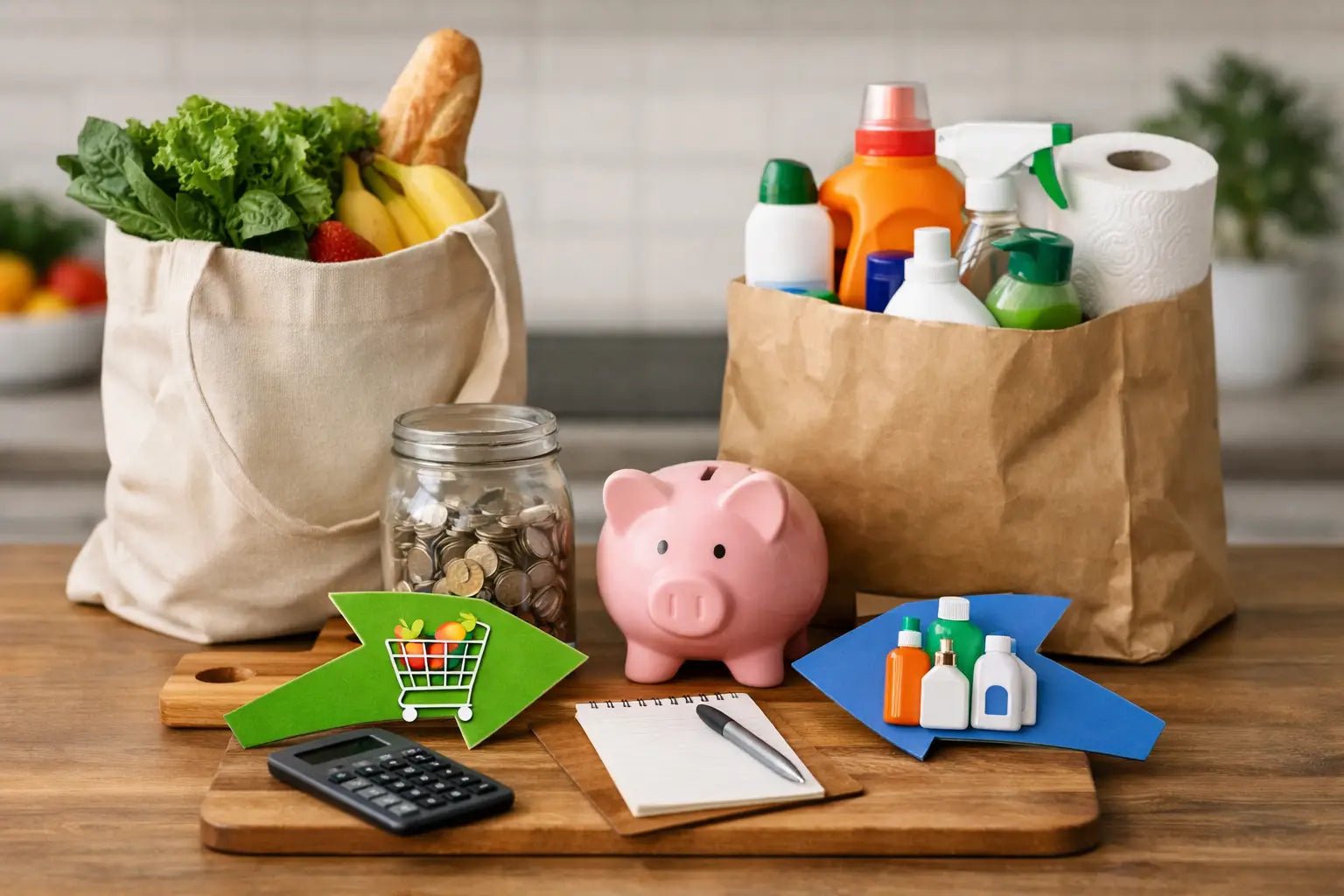
If your weekly shop keeps turning into three supermarket trips, two late-night top-up orders and one forgotten essential, the problem usually is not how much you buy. It is how you buy. Learning how to combine household shopping can help you spend less, waste less time and keep the basics covered without constantly adding extra trips and extra costs.
For most households, the biggest savings do not come from cutting everything back. They come from buying more efficiently. When groceries, toiletries, cleaning products, baby items, pet care and everyday home needs are split across different shops, it becomes harder to track spending. Delivery charges can stack up, impulse buying increases and the weekly routine feels more expensive than it needs to be.
Why combine household shopping at all?
Combining your shopping is really about control. Instead of treating food shopping, household essentials and general items as separate tasks, you group them into one clearer buying plan. That gives you a better view of what your home actually uses in a normal week or month.
There is also a practical benefit. One well-planned order is usually easier to manage than several small ones. You spend less time browsing, less time checking out and less money on repeat delivery fees or travel. For busy families, working households and anyone watching the budget closely, that matters.
It also helps reduce the small spending leaks that add up. A quick run for washing-up liquid often turns into snacks, drinks or a few extra bits you did not plan to buy. The same thing happens with scattered online orders. The less often you shop reactively, the easier it is to stay on budget.
How to combine household shopping without missing essentials
The simplest way to start is to stop shopping by shop and start shopping by household need. That sounds obvious, but many people still think in terms of where they buy rather than what they need to cover.
Begin with the core categories your household uses regularly. For most homes, that means pantry staples, fridge and freezer items, cleaning products, toiletries, laundry supplies, baby care if needed, pet food if needed, and any routine non-food items such as batteries, bin bags or kitchen roll. Once these are in one working list, you can see what can sensibly be bought together.
A good combined shop also works on two timelines. Some items need replacing weekly, while others make more sense monthly. Fresh food, bread, milk and some produce may need more frequent buying. Toilet rolls, shampoo, tinned goods, coffee, nappies and household cleaners are often better bought in larger planned orders. Mixing those timelines properly is what keeps the system realistic.
If you try to force absolutely everything into one huge order, you may overbuy perishables or miss better timing on fresh items. If you split everything too much, you lose the benefit of combining. The right balance depends on your home, your storage space and how quickly you use things.
Build one master household list
A master list is the foundation. It should cover all repeat purchases, not just food. This is where many budgets go wrong. People remember pasta, cereal and tea bags, but forget dishwasher tablets, deodorant, baby wipes or pet treats until the last minute.
Keep your list simple and practical. Group it by category so you can check stock quickly. When you are nearly out of something, add it straight away rather than trusting memory. Over time, your list becomes a working record of what your household really uses.
This also helps with price awareness. Once you see the same items appear regularly, you can spot when buying a larger size, multipack or bundle gives better value and when it does not. Bigger is not always cheaper per use, especially if it leads to waste.
Separate needs from extras
When people ask how to combine household shopping, what they often mean is how to combine it without overspending. The answer is to be strict about the difference between household essentials and discretionary extras.
Essentials are the items that keep the home running. Extras are the products that are nice to have but not urgent. Both have a place, but they should not be mixed thoughtlessly. If your basket is built around essentials first, you are less likely to fill it with low-priority items before covering what matters.
One useful approach is to complete your essential categories before you browse anything else. That way, if you stop there, the important shopping is already done. Extras can then be added only if the budget allows.
Save more by choosing one broad retailer when possible
If you can buy groceries, home supplies, health and beauty items, clothing basics and practical extras from one place, combining shopping becomes much easier. You spend less time switching between retailers, comparing multiple baskets and managing separate deliveries.
That matters financially too. A broad retailer can make consolidation worthwhile because the order value grows without feeling padded. Instead of paying separately for food, cleaning products and general household items, you bring them into one transaction and get a clearer picture of total spend.
For value-focused households, this is often where the real advantage appears. One larger planned shop gives you a better chance of reaching free shipping thresholds, taking advantage of lower pricing across categories and reducing the need for top-up purchases later in the week. That is one reason many shoppers use marketplaces such as Honesty Sales for everyday buying rather than treating each category as a separate errand.
Time your shopping around usage, not habit
Many households shop out of routine instead of need. A weekly shop is useful, but it should not be automatic if half the trolley is still sitting in the cupboard. Equally, stretching shopping too long can lead to takeaway spending, rushed convenience buys or repeat delivery charges.
The better approach is to match ordering to how your household actually consumes products. If you use cleaning sprays slowly, there is no reason to buy them weekly. If your family gets through cereal, milk and packed lunch items quickly, those need more regular planning.
This is where a combined household shop becomes more efficient than separate category shopping. You can place one larger order for slower-moving essentials, then keep a smaller fresh-food rhythm alongside it. That gives you coverage without clutter.
Watch storage and shelf life
Combining shopping works best when it suits the space you have. Bulk buying can save money, but only if you can store items properly and use them before they spoil or expire. A family with a large freezer and good cupboard space can combine more into each order than someone in a smaller flat.
The same rule applies to toiletries, cleaning supplies and paper goods. Stocking up can be sensible, but there is no value in cramming the house with items you cannot keep organised. Messy storage often leads to duplicate buying because people cannot see what they already have.
Use a simple spending rule for mixed baskets
One reason combined shopping feels difficult is that different categories compete for the same budget. Groceries are urgent, but so are nappies, washing liquid and toothpaste. If everything lands in one basket, it can feel harder to judge whether you are overspending.
A simple rule helps. Split the basket mentally into three sections: immediate needs, stock-up value items and optional extras. Immediate needs come first. Stock-up items only make sense if the unit price is good and you know they will be used. Optional extras come last.
This prevents a common mistake - buying heavily on deals while missing basics you need now. A half-price offer is only useful if it fits your household and your budget. Cheap items are not automatically good value if they displace more important purchases.
Make fewer top-up shops
Top-up shopping is where a lot of household budgets drift. It feels minor because each extra trip or order is small, but those small spends often carry the worst value. You pay convenience prices, buy without a plan and often add treats or replacements at the last minute.
A stronger combined shop reduces that pressure. If your cupboard staples, toiletries and cleaning products are covered properly, top-ups can stay limited to genuinely fresh items or unexpected needs. That is a very different situation from realising midweek that you also need bin liners, shower gel and pet food.
To make this work, keep a short buffer of the products that cause emergency purchases most often. Usually that means toilet roll, laundry detergent, long-life milk, pasta, rice, tinned foods, soap, nappies or wipes depending on the household. A small reserve can stop a minor shortage turning into an expensive extra shop.
How to combine household shopping as your routine changes
No shopping system stays perfect all year. School terms, holidays, a new baby, guests, seasonal weather and changes in work patterns all affect what a home uses. That is why combined shopping needs occasional adjustment rather than a rigid routine.
If your household suddenly needs more packed lunch items, cold remedies, pet supplies or cleaning products, update the master list and the order pattern. If spending has crept up, look first at frequency and duplication before cutting essentials. Often the issue is not the main shop but the extra purchases around it.
The best combined shopping routine is one that is easy to repeat. It should save time, lower the overall cost of keeping the home stocked and make everyday buying feel less scattered. If your shopping method is leaving you with fewer emergency orders and a clearer budget, it is doing its job.
A good household shop does not need to be complicated. It just needs to cover the basics in the right quantities, at the right time, from the right place - and that is usually where the savings start.

