
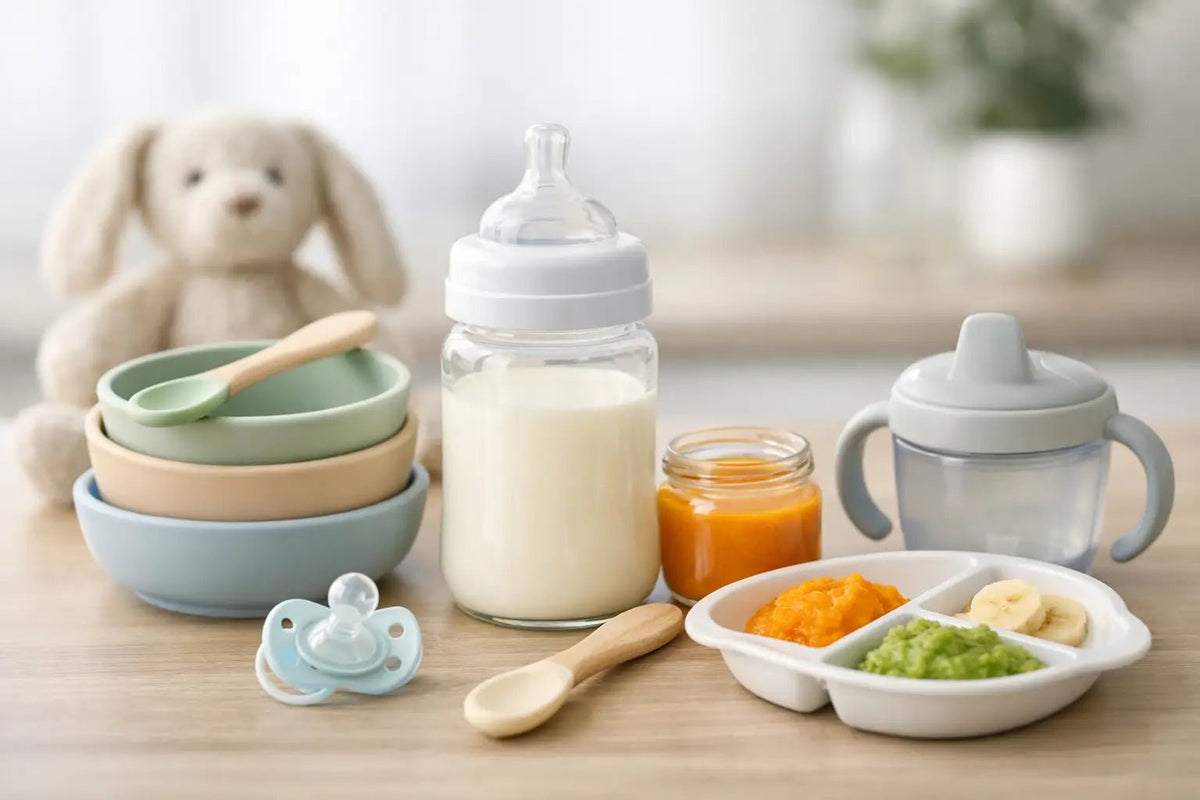
A newborn can go through far more bibs, muslins and bottle feeds than many parents expect. At the same time, baby aisles can make every item look essential. Knowing how to choose baby feeding essentials means buying the practical basics first, then adding only what genuinely suits your baby, routine and budget.
The best feeding setup is rarely the largest or most expensive one. It is the one that is safe, easy to clean, works for your feeding plans and gives you enough spares for everyday life. Babies change quickly, so it pays to avoid stocking up on one style before you know what they will accept.
Start with your feeding plan, but stay flexible
Before filling your basket, think about how you expect to feed your baby in the first few months. You may plan to breastfeed, bottle-feed, combination feed or express milk. Each route has different useful essentials, but plans can change due to your baby's preferences, feeding challenges, returning to work or simply what feels manageable for your household.
If you are breastfeeding, practical support items can include breast pads, muslin cloths, nipple cream and milk storage bags or containers if you intend to express. A nursing pillow can be useful for some families, although it is not essential. You can always add one later if feeds become more comfortable with extra support.
For bottle-feeding, focus on a small number of good-quality bottles, suitable teats, a bottle brush and a reliable sterilising method. Combination feeding usually calls for a similar starter set, without buying a large supply of every bottle type straight away.
It is sensible to have a few feeding essentials ready before your due date. There is no need to buy enough to last a year. Starting small prevents waste and leaves room to choose what works once your baby arrives.
Choose bottles and teats by practicality, not promises
Bottles come in different materials, shapes and sizes. Plastic bottles are lightweight, widely available and practical for daily use. Glass bottles can be long-lasting and may suit parents who prefer to avoid plastic, but they are heavier and need more care. Silicone options can be soft and durable, though they may cost more.
For most families, a small set of bottles is enough at first. Four to six bottles may make daily washing easier if your baby is bottle-fed regularly, while a smaller number can suit occasional expressed feeds. Check that replacement teats are easy to find before committing to a particular bottle range.
Teat flow matters more than clever packaging. Newborns generally need a slow-flow teat, while older babies may need a faster flow as feeding develops. However, every baby is different. A feed that is very slow, frustrating or unusually fast may mean the flow needs reviewing. It can also be worth trying one or two bottle styles before buying a full set, especially if your baby has trouble settling with a particular teat.
Always follow the manufacturer’s age and safety guidance, inspect bottles and teats regularly, and replace worn parts. Cracks, cloudiness, stickiness or changes in shape are good reasons to replace an item.
Make cleaning and sterilising manageable
Feeding equipment has to fit into real life. A cheaper item that is simple to wash and sterilise may be better value than a more complicated option that takes too long to assemble.
You will need a dedicated bottle brush if using bottles, along with a clean place for items to dry. Sterilising can be done using a cold-water system, a microwave steriliser, an electric steriliser or other approved methods. The right choice depends on your kitchen space, household routine and how often you need to sterilise.
Cold-water methods can be affordable and useful when space is limited. Microwave sterilisers are often convenient but require a suitable microwave. Electric sterilisers can save time for frequent bottle use, although they take up worktop room and cost more initially. Choose the option you will use consistently, rather than paying extra for features you do not need.
Keep cleaning supplies separate from general washing-up tools where possible. Feeding equipment should be thoroughly cleaned before sterilising, as sterilising does not remove dried milk or residue.
How to choose baby feeding essentials for weaning
Weaning introduces another set of products, but the basics remain simple. When your baby is developmentally ready for solid foods, you will typically need a secure high chair, a few easy-clean bowls and spoons, bibs, cups and a practical mat or wipe-clean area for mess.
A high chair is one of the bigger purchases, so check the features that affect everyday use. Look for a stable base, a secure harness, easy-to-clean surfaces and a tray that is straightforward to remove or wipe down. Folding models can be helpful in smaller homes, while a fixed chair may feel sturdier and need fewer moving parts. Make sure it suits your table height if you want your baby to join family meals.
Soft-tipped spoons can be gentle for early feeds, but do not feel you need a large matching set. Two or three spoons, a few bowls and several bibs will cover most early meals. Silicone bibs with a food-catching pocket can reduce washing, while fabric bibs may feel softer and are easy to rotate through the laundry. Many families use both.
For cups, start with one simple, easy-grip option and see how your child manages it. Some babies take to a free-flow cup, while others need time with a straw or spout design. Buying several types in advance often leads to unused cupboard clutter.
Prioritise safety and useful features
Feeding products should always be age-appropriate and used according to the instructions. For chairs, seats and boosters, check weight limits, harness guidance and whether the product is designed for the stage your child is at. Never leave a baby unattended while feeding, including when they are in a high chair.
Avoid buying items with small detachable parts that are difficult to inspect or clean. Choose bowls, spoons and cups made for baby feeding, and look for clear care instructions. If using second-hand equipment, be especially careful with high chairs and feeding seats. Check for damage, missing straps, loose fittings and recalled products.
Convenience also has a safety benefit. A chair with fewer difficult-to-reach crevices is easier to keep hygienic. Bottles with clear measurement markings make it easier to prepare feeds accurately. Bibs that fasten securely but comfortably are less likely to distract your baby mid-meal.
Spend more where it saves repeat costs
Value does not always mean choosing the lowest-priced item on the page. A bottle brush that wears out quickly, a high chair that is awkward to clean or bibs that leak through after one meal can cost more over time.
Spend carefully on the items you will use every day: a dependable sterilising solution, bottles your baby accepts, absorbent muslins and a safe high chair. Save money by keeping quantities sensible and avoiding novelty feeding accessories. Wipe-clean mats, snack containers, suction plates and specialist gadgets may be useful later, but they are not all needed at once.
Muslin cloths are a particularly flexible purchase. They can help with dribbles, milk spills, winding and protecting clothes during feeds. Having several on hand is usually more practical than relying on a single expensive feeding accessory.
At Honesty Sales, parents can compare everyday baby products alongside household cleaning, groceries and other routine essentials, making it easier to keep a practical shop in one place.
Build a starter kit, then adjust
A sensible starter kit for bottle-feeding includes a small set of bottles, slow-flow teats, a bottle brush, a sterilising option and plenty of muslins. For breastfeeding, muslins, breast pads and any expressing or storage supplies you know you will use may be enough initially. As weaning approaches, add a high chair, bibs, spoons, bowls and one cup.
Keep your receipts and packaging where appropriate until you know an item works for your household. Your baby may prefer a different bottle, grow faster than expected or refuse a cup that looked ideal online. That is normal, not a sign that you chose badly.
The most useful baby feeding essentials are the ones that make feeds calmer, cleaning quicker and family life less expensive. Start with the basics, buy for the stage in front of you and let your baby’s needs guide the rest.

