
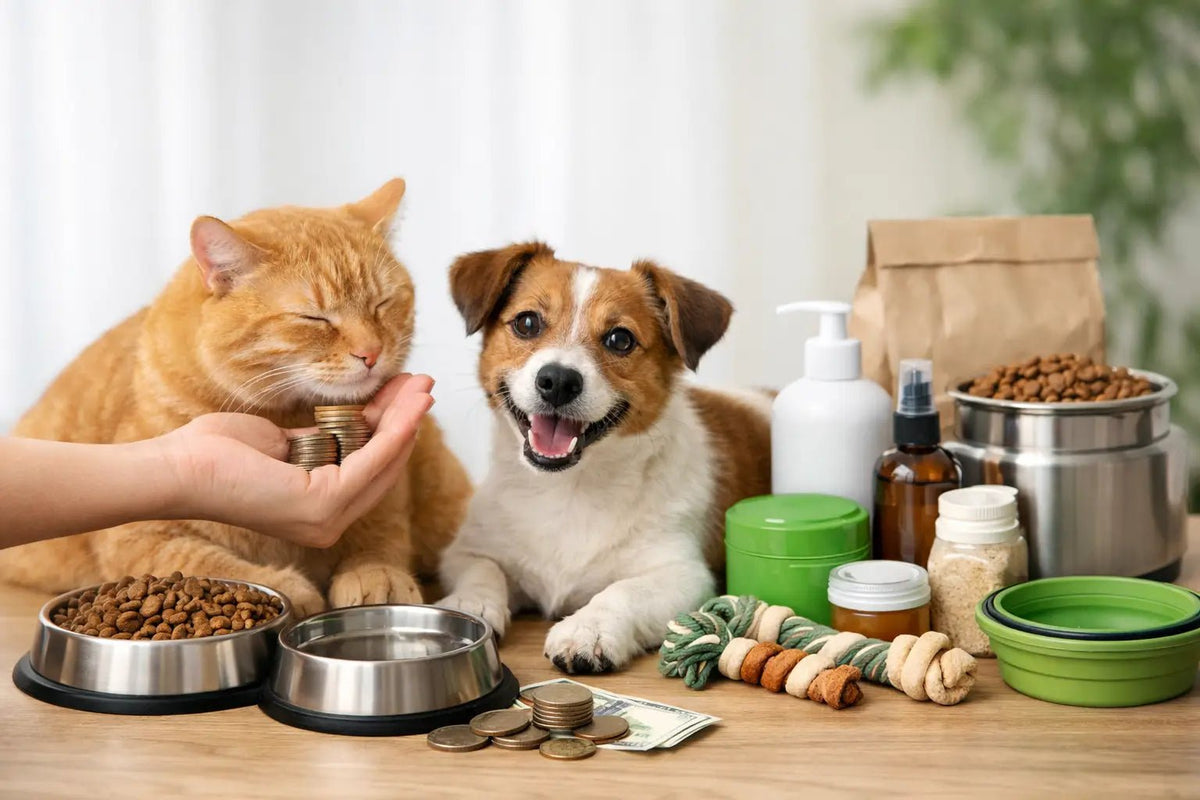
A full food bowl, a clean litter tray and a comfortable bed are not optional extras. They are the everyday basics that keep pets healthy and settled. The good news is that cheap pet care products can cover many of these regular needs without putting unnecessary pressure on the household budget. The key is to buy for the job the product needs to do, rather than paying extra for a familiar logo or fancy packaging.
For most homes, pet spending is highest on the products used every week: food, treats, litter, waste bags, cleaning supplies and flea or worming treatments. A few sensible choices can make those repeat purchases more manageable while still keeping your dog, cat, rabbit or small pet properly cared for.
Start With the Products Your Pet Uses Most
The best place to make savings is usually not the occasional toy or novelty accessory. It is the everyday item that goes into your basket again and again. Work out what you use in a typical month, then compare pack sizes and prices by weight, volume or number of uses.
A larger bag of dry food, multi-pack of wet food pouches or bulk pack of litter can offer better value when it is something your pet already tolerates well. This only works if you can store it correctly. Dry food should stay sealed and dry, while litter and treats need a cool, clean cupboard away from damp. Buying a huge pack that goes stale or gets wasted is not a saving.
It also helps to separate genuine essentials from purchases made on a whim. Pets need suitable food, clean water, safe bedding, hygiene products and preventative care. They do not necessarily need a new themed toy every shopping trip. Setting a simple monthly pet budget gives you room to spot a good deal without filling cupboards with products that will not be used.
Cheap Pet Care Products Worth Buying
Low cost should never mean low standards. Look for clear product information, age suitability and sensible use instructions. For routine care, unbranded or value-range options can often be a practical choice when they meet your pet's needs.
Food and Feeding Supplies
Pet food is where cutting costs needs the most care. A cheaper food is only good value if your pet digests it well, maintains a healthy weight and enjoys eating it. Check that the food is suitable for the animal's life stage, whether puppy, adult, senior, kitten or another appropriate category.
If you are changing food to save money, do it gradually over around a week. Mix a small amount of the new food with the old food, increasing the new food little by little. Sudden changes can upset some pets' stomachs, which can quickly cancel out any saving.
Simple feeding bowls, water bowls and storage tubs do not need to be expensive. Prioritise sturdy materials, easy cleaning and a size that suits your pet. A bowl that slides across the kitchen floor or is difficult to wash can become more trouble than it is worth.
Hygiene and Cleaning Essentials
Cats, dogs and small animals all create regular cleaning jobs. Stocking up on the right basics makes those jobs quicker and helps keep smells under control. Value products are especially useful here because they are used frequently.
Consider keeping a practical supply of:
- Litter, litter tray liners or disposal bags for cats
- Poop bags for dog walks and bin liners for home clean-ups
- Pet-safe cleaning spray or wipes for accidents and muddy paws
- Cage bedding or absorbent lining for rabbits, guinea pigs and hamsters
- A washable towel for drying pets after wet walks
Grooming at Home
Regular grooming can reduce loose hair around the house, make coat checks easier and help pets get used to being handled. A basic brush, comb, pet shampoo and nail clippers can go a long way for many animals.
Choose a brush for your pet's coat rather than simply choosing the cheapest option. Short-haired cats and dogs often need a gentle grooming mitt or soft brush, while longer coats may need a comb that reaches closer to the skin. A poor match can be uncomfortable and may leave tangles behind.
Home grooming does have limits. If your pet has severe matting, sore skin, overgrown nails, ear problems or signs of discomfort, seek advice from a vet or qualified groomer. Trying to solve a medical or difficult grooming problem with a bargain tool can make the issue worse.
Toys, Beds and Everyday Comfort
Toys are not just treats for bored pets. Safe play can provide exercise, mental stimulation and a useful outlet for chewing or hunting behaviour. Affordable toys are often perfectly suitable, but inspect them before use and replace any that become split, sharp or easy to swallow.
For dogs, a durable chew toy or simple ball may get more use than a basket full of novelty items. For cats, lightweight balls, teaser toys and cardboard scratchers can offer plenty of interest. Rabbits and small pets often enjoy safe chew items and places to hide. Rotate a few toys rather than leaving everything out at once, and familiar toys can feel fresh again.
A pet bed should be washable, appropriately sized and placed somewhere calm. You do not need an expensive designer bed to give an animal a comfortable resting place. A well-padded value bed, or a clean blanket added to an existing basket, can be enough for many pets.
How to Compare Value Without Compromising Care
Price tags alone do not tell the full story. A £3 item that lasts one week may cost more over time than a £5 item that lasts a month. Before adding items to your basket, compare how long they are likely to last and whether they solve a routine problem reliably.
Check pack quantities, product weight and serving guidance. With food, the daily feeding amount matters more than the front-of-pack price. With litter, absorbency and odour control affect how quickly you get through a bag. With toys, safe construction matters more than bright colours or elaborate packaging.
It is also sensible to keep a small reserve of your pet's staples at home. Running out of food or litter often leads to a rushed purchase at a higher price. Ordering regular essentials alongside groceries, household supplies and personal care products can make routine shopping simpler, especially for busy families.
Honesty Sales is built around this kind of practical buying: bringing everyday essentials together so households can compare value and order what they need in one place. The aim is not to spend less by doing without. It is to make each purchase work harder.
Avoid False Savings
Some products are best chosen with extra caution, even when a deal looks tempting. Medication, flea treatment, worming products and supplements should always be suitable for your pet's species, age and weight. Never use a dog treatment on a cat, or share medication between pets, unless a vet has specifically advised it.
The same applies to special diets. Pets with allergies, urinary issues, kidney conditions, diabetes or other diagnosed health concerns may need a particular food or treatment plan. Speak to your vet before switching products to save money. A lower monthly food bill is not helpful if it leads to illness or more expensive treatment later.
Avoid damaged packaging, out-of-date food and toys with loose parts. It is worth checking delivery orders as soon as they arrive too, particularly for food pouches, containers and larger bags. Store products safely away from children and pets, and keep anything with a strong scent or active ingredients in a closed cupboard.
Make Savings Part of a Simple Routine
The easiest way to control pet costs is to make a short repeat-buy list. Note the food, litter, cleaning items and grooming basics that your pet genuinely uses, along with how often you replace them. After a month or two, you will have a clear picture of what belongs in your regular shop.
Buy larger packs when the unit price is better and storage is realistic. Try value alternatives one at a time, not all at once, so you can tell what suits your pet. Keep an eye on waste as well: measuring food portions, sealing bags properly and washing reusable bedding can all help your budget stretch further.
Caring for a pet should feel dependable, not financially overwhelming. Choose safe everyday products, shop with a plan and spend more only where your pet's health or comfort genuinely calls for it. A well-stocked home and a sensible routine will do more for your pet than an expensive basket of extras.

