
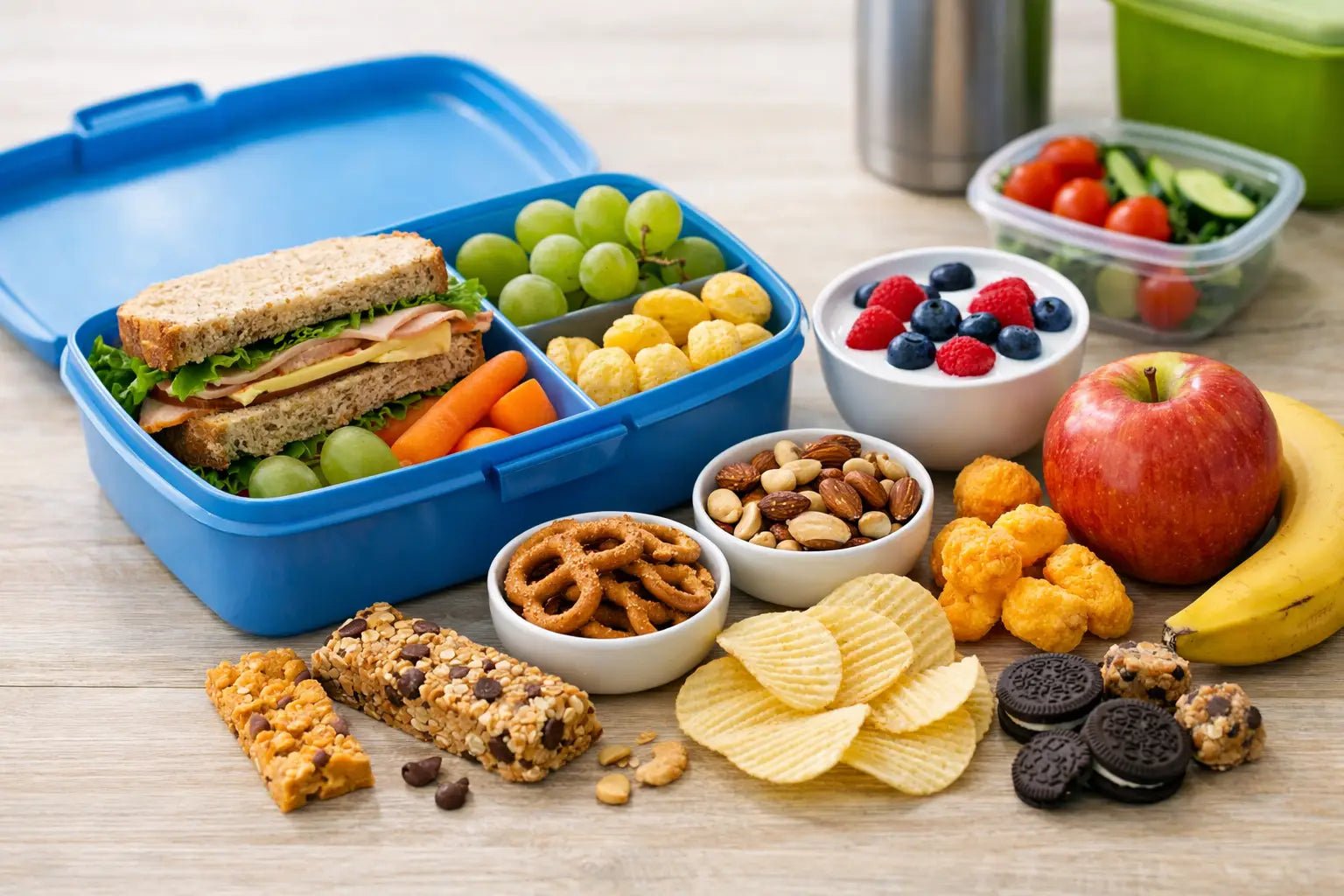
A lunchbox gets expensive fast when every day needs a new snack, a different treat and something that comes in a bright packet. The best budget snacks for lunchboxes are usually the ones that balance price, shelf life and ease - not just the ones that look cheapest on the shelf. If you are packing lunches for children, work or both, the real win is choosing snacks that are affordable enough to buy regularly and practical enough that they actually get eaten.
What makes the best budget snacks for lunchboxes?
Low price matters, but it is not the only thing worth checking. A snack that seems cheap can still be poor value if it goes stale quickly, gets crushed in the bag or comes in tiny portions that never feel satisfying. Good lunchbox snacks need to do a simple job well. They should travel easily, fit into a packed lunch without fuss and help stretch the weekly food shop.
That usually means looking for products with a sensible cost per portion, enough variety to stop lunches feeling repetitive, and packaging that suits school bags or work bags. It also helps to think in terms of weekly use rather than one-off buys. A larger pack that lasts all week is often the better deal than a small multipack that disappears in two days.
12 snack ideas that keep lunchboxes affordable
1. Multipack crisps for controlled portions
Crisps are a standard lunchbox choice for a reason. They are easy to pack, easy to portion and widely available at value prices. For budget shopping, own-label multipacks or larger value packs often work out better than buying individual bags.
The trade-off is that crisps are best as one part of a lunch, not the whole snack section. They are convenient and familiar, but pairing them with fruit, a yoghurt or a filling sandwich gives better value overall because the lunch feels more complete.
2. Rice cakes and corn cakes
Rice cakes can be one of the most economical cupboard staples for lunchboxes. They are light, easy to store and can suit both sweet and savoury lunches depending on flavour. Plain varieties are usually the cheapest, and they can be packed as they are or spread at home if you have time.
They are not ideal for everyone, though. Some children find them dry, and they can break if packed loosely. A lunchbox with a firm compartment usually solves that.
3. Breadsticks and savoury biscuit packs
Breadsticks, cracker packs and small savoury biscuit portions often offer solid value, especially when bought in bigger formats. They give a different texture from crisps, which helps if lunchboxes are getting repetitive.
These are particularly useful for packed lunches that need to stay tidy. They are less greasy than crisps and easier to pair with cheese portions, soft cheese or dips when used at home or for older children and adults.
4. Popcorn in multipacks
Popcorn can be a good lower-cost alternative to crisps when bought in family-sized multipacks. It feels like a treat, but the portion sizes are often sensible and the bags are easy to stack in a cupboard.
The main thing to watch is flavour and coating. Sweet or heavily coated versions can push the price up. Plain, lightly salted or simple sweet-and-salty packs are usually the better value option for regular lunchbox use.
5. Oat bars and cereal bars
Oat bars are one of the easiest lunchbox fillers because they work for school, work and days out. They store well, are quick to grab and usually come in enough flavours to keep people interested.
Not all bars are equal on value. Premium branded versions can cost far more than basic options without giving much extra in a packed lunch. If your goal is keeping costs down, compare size and pack count rather than assuming the cheapest shelf price is the best deal.
6. Malt loaf and sliced fruit loaf
Malt loaf is often overlooked, but it is excellent value for lunchboxes. It slices well, keeps reasonably well and feels more substantial than a tiny snack bar. Fruit loaf is similar - easy to portion, simple to pack and useful when you want something soft rather than crunchy.
This kind of snack works especially well if you are packing several lunchboxes from one loaf. It can be much cheaper per serving than individually wrapped sweet snacks.
7. Yoghurt tubes and pouches
For chilled lunchboxes, yoghurt tubes and pouches can be a practical budget option. Children usually find them easy to eat, and they can double as both snack and dessert.
They do need a bit of planning. If the lunchbox will not stay cool, they are better used with an ice pack. They are also not always the lowest-price option compared with larger tubs of yoghurt, but they win on convenience and reduced mess.
8. Cheese portions and cheese snacks
Individually portioned cheese can look expensive at first glance, but when packed alongside crackers or breadsticks it can help create a more filling lunch. For some households, that makes it worth the extra spend because it may cut down on the need for multiple other snacks.
If you are buying on a tight budget, reserve these for a few days a week rather than every lunch. They work best when you want protein in the lunchbox without much preparation.
9. Fresh fruit that travels well
The cheapest snack is often the simplest one. Apples, bananas, satsumas and pears can still beat many packaged snacks on price, especially when bought as part of the main grocery shop. They also help add variety without needing separate lunchbox shopping.
Not all fruit is equally practical. Soft berries can be more expensive and more likely to get squashed. Harder fruit usually gives better value for packed lunches because it survives the journey and needs very little prep.
10. Dried fruit in small portions
Raisins and mixed dried fruit are classic lunchbox staples because they are compact, shelf-stable and easy to keep on hand. Small boxes and pouches are convenient, while larger bags can be better value if you portion them out yourself.
It depends on what matters most to you. Ready-portioned packs save time and reduce fuss. Larger bags usually save money but take a few minutes more to sort.
11. Biscuits in lunchbox-friendly packs
A plain biscuit or two can be an affordable way to round off a packed lunch. Rich tea, digestives, shortbread fingers and similar basics often give better value than novelty biscuit snacks aimed at children.
The key is portion control. Full-size packets are rarely practical in a lunchbox, but snack packs or home-portioned servings can keep costs under control while still giving that small treat people expect in a packed lunch.
12. Homemade portions from bigger packs
Sometimes the best-value snacks are not sold as lunchbox snacks at all. A big bag of popcorn, a block of cheese cut into cubes, a loaf sliced at home, or crackers portioned into reusable tubs can work out much cheaper than individual packets.
This is where budget and convenience pull in different directions. Individually wrapped snacks are faster. Home-portioned snacks are often cheaper. If you pack lunches every day, even doing this for two or three items a week can make a noticeable difference.
How to shop smarter for budget lunchbox snacks
A cheap snack is only a good buy if it suits your routine. If mornings are rushed, paying a little more for ready-portioned snacks may still save hassle and waste. If you have time to prep the night before, bigger packs often give stronger value.
It also helps to mix cupboard snacks with fresh items. Relying only on packaged lunchbox snacks can push the weekly bill up, while using fruit, sliced loaf products and larger shared packs can bring the average cost down. Rotating just a few options each week usually works better than buying too many novelty items at once.
Multi-buy deals can help, but only when they match what your household actually uses. Stocking up on a snack nobody really likes is not a saving. The same goes for very small multipacks that seem cheap but vanish in a day or two. Price per portion is usually the more useful way to judge value.
Best budget snacks for lunchboxes by age and routine
What works for a primary school lunchbox may not work for an adult lunch at work. Younger children often do better with familiar, easy-open packs and softer snacks that are simple to eat quickly. Older children and adults may prefer more filling options such as oat bars, cheese with crackers or larger fruit portions.
Routine matters too. A packed lunch for a school day needs something straightforward and dependable. A lunchbox for travel, clubs or long workdays may need snacks that hold up for longer and feel a bit more substantial. There is no single perfect choice for every household, which is why a mix of ready-to-pack basics usually makes the most sense.
For families trying to keep the weekly shop under control, buying lunchbox snacks alongside the rest of your groceries can make planning easier. Retailers with broad value ranges, including everyday food cupboard lines and fresh staples, help cut down extra trips and impulse spending. That is often where budget shopping becomes simpler - not just lower prices, but fewer gaps to fill later.
A good lunchbox does not need expensive branded extras to feel complete. A couple of reliable low-cost snacks, bought with a bit of planning, can keep lunches varied without putting pressure on the weekly budget. Start with what gets eaten, buy for real life rather than ideal plans, and let value lead the way.

