
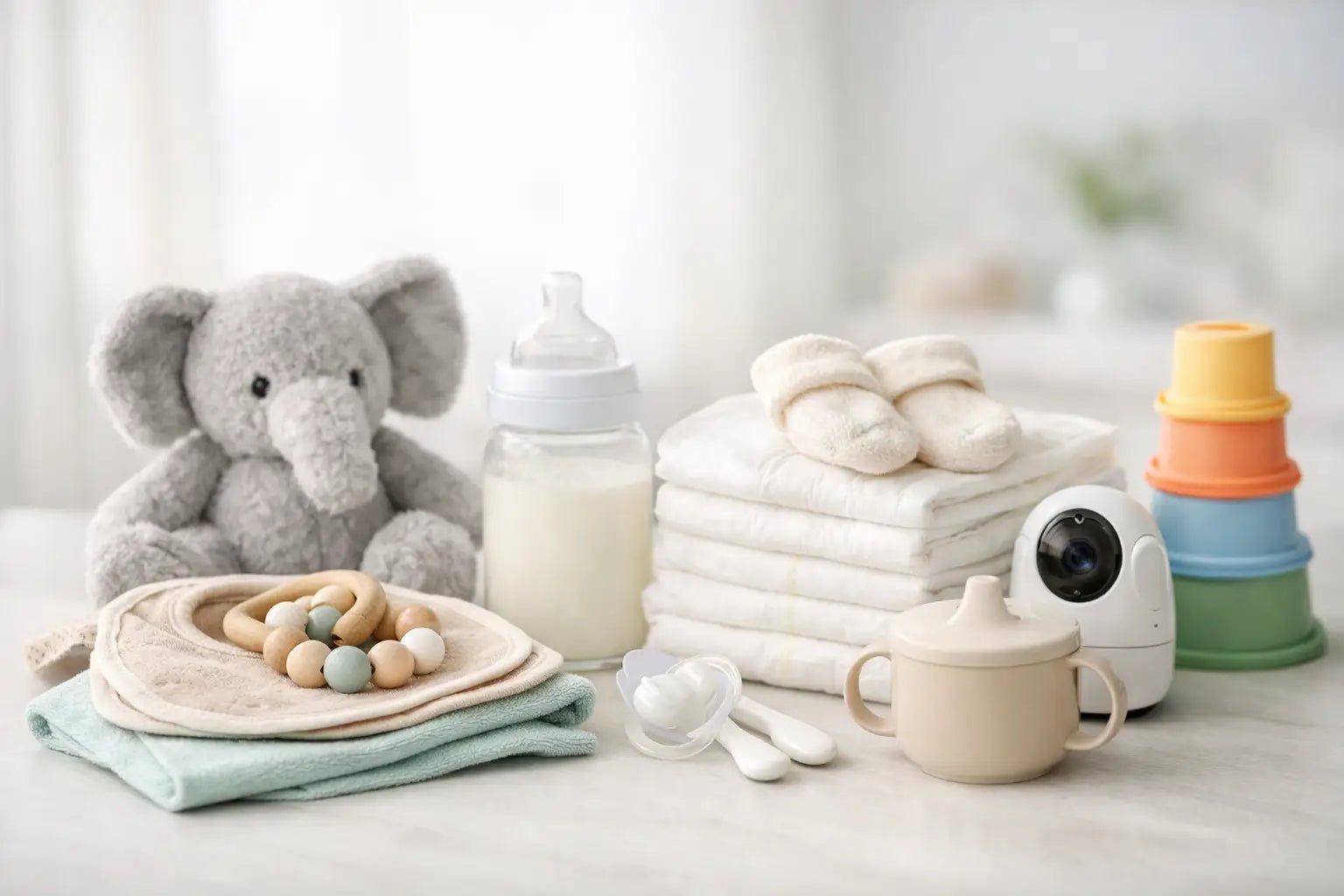
Babies get through essentials at a surprising pace. One week you are buying a few basics, and the next you are topping up nappies, wipes, muslins and bottles again. That is why finding the best low cost baby items matters - not just for the first shop, but for keeping everyday costs under control without cutting corners on the things you use most.
For most families, the smartest baby buys are not the flashy ones. They are the practical items that save time, get used every day and are easy to replace when you need them. A lower price does not always mean lower value either. In plenty of cases, simple baby essentials do the job just as well as premium alternatives, especially when you know where to spend a bit more and where to keep it basic.
What makes the best low cost baby items worth buying?
Price on its own is only half the picture. A baby item is good value when it is affordable, useful and likely to be used often. A cheap product that sits in a cupboard is not a bargain. A reasonably priced item that you reach for several times a day usually is.
It helps to think in terms of cost per use. Muslin cloths, bibs, baby wipes and cotton wool are all everyday essentials, so even a small saving on each pack can make a real difference over a month. The same applies to bath products, nappy cream and feeding accessories. If it is something you will reorder regularly, it is worth comparing pack sizes, checking what you actually need and avoiding overpaying for branding alone.
There is also the question of timing. Some products are worth buying before baby arrives. Others are better bought once you know what suits your routine. That can help you avoid stocking up on items your baby may not get on with, such as a particular dummy shape or bottle teat size.
Best low cost baby items that most parents actually use
Nappies and wipes
These are usually the first place to look for savings because they are constant repeat purchases. The best approach is simple - buy for fit, comfort and absorbency, then keep an eye on value packs and multipacks. Premium ranges can be useful for overnight use or sensitive skin, but for daytime changes many parents find lower-cost options work perfectly well.
Wipes are similar. If your baby has delicate skin, fragrance-free wipes are often the safer bet. If not, there is no reason to pay extra for fancy packaging or added extras you do not need. Cotton wool and water can also be a lower-cost option in the early weeks.
Muslin cloths and bibs
Few baby items earn their keep like muslins. They handle milk dribbles, small spills, shoulder burping, makeshift changing mats and quick clean-ups. Cheap muslins are often every bit as useful as more expensive ones, provided they wash well and stay soft enough for regular use.
Bibs are another easy win. You do not need a designer set for feeding time. A stack of straightforward, washable bibs will usually do more for your daily routine than a smaller number of expensive ones. If your baby is teething or particularly dribbly, having plenty on hand matters more than paying for appearance.
Baby toiletries
Baby shampoo, bath wash, lotion and nappy cream can all vary a lot in price. In practice, many babies need only a small number of basic products. A mild bath wash, a gentle moisturiser if needed, and a barrier cream for nappy changes will cover most situations.
This is one area where it depends on your baby’s skin. If your child is prone to dryness or irritation, you may need to choose carefully rather than simply buying the cheapest product. But even then, simple and fragrance-light products often offer better value than heavily marketed premium ranges.
Bottles, teats and cleaning basics
If you are bottle feeding, or combining breast and bottle feeding, feeding equipment can add up quickly. Bottles, teats, a bottle brush and sterilising products are the core purchases. The key is not to overbuy too early. Some babies are perfectly happy with standard, lower-cost bottles, while others are fussier.
A small starter set is often the sensible option. You can always add more once you know what works. Spending less at the start can save money and reduce waste.
Baby grows, vests and socks
Clothing is one of the easiest areas to overspend. Babies grow quickly, have frequent outfit changes and rarely need wardrobes full of special pieces. For daily use, baby grows, short-sleeved or long-sleeved vests, and a good supply of socks cover most needs.
Low-cost baby clothing often makes the most sense when you focus on comfort, simple fastenings and easy washing. Soft cotton basics tend to offer the best value. Fancy outfits are fine for gifts or occasions, but for routine wear, practical wins every time.
Changing mats and changing essentials
A simple wipe-clean changing mat is often all you need. You do not need a large nursery set-up to manage nappy changes well. Add a few essentials such as nappy sacks, cotton pads or wipes, and a storage basket or caddy if it helps keep everything together.
Portable options can be especially useful if you change baby in more than one room. Here again, function matters more than added features.
Baby towels and flannels
You can spend a lot on hooded towels and themed bath sets, but the lower-cost options are usually enough if they are soft, absorbent and easy to wash. The same goes for flannels. Babies need gentle fabrics, not luxury branding.
These items also make sense to buy in pairs or small sets. One in use, one in the wash - that keeps things simple.
Where to save and where to be a bit more careful
Some baby purchases are naturally better suited to budget shopping than others. Everyday textiles, basic feeding accessories, wipes, toiletries and changing essentials are all sensible places to look for lower prices. These are the categories where straightforward products can perform just as well as pricier ones.
For safety-related items, it is worth slowing down and checking the details. Car seats, sleep products and larger travel gear should never be chosen on price alone. That does not mean the most expensive option is automatically best, but you do want to pay attention to standards, suitability and condition. If you are buying new, compare specifications carefully. If you are considering second-hand for certain items, be especially cautious with anything that affects safety.
That trade-off matters. Saving money is important, but so is buying with confidence.
How to shop smarter for baby essentials
The easiest way to spend less is to build your baby shopping around repeat-use basics. Start with the items you know you will need every week or every day. Once those are covered, you can add occasional extras if they fit your budget.
Multipacks are often useful, but only when they match your real usage. A giant pack is not a bargain if it leaves you stuck with the wrong size nappies or a product your baby does not like. Smaller trial quantities can actually be the better value at first.
It also helps to keep your baby shop practical rather than emotional. New parents are often encouraged to buy a long list of products before they know what life with baby will actually look like. In reality, a short list of dependable basics usually gets you further than a basket full of one-purpose gadgets.
That is one reason a general retailer can be so convenient. If you are already buying household essentials, toiletries and everyday supplies, adding baby basics to the same order can make the whole shop simpler and easier to manage. At Honesty Sales, that value-led approach suits families who want low prices on daily-use items without making separate orders all over the place.
A realistic baby shopping list for a tighter budget
If you are trying to keep spending under control, focus first on nappies, wipes or cotton wool, nappy cream, muslins, bibs, baby grows, vests, bottles if needed, and a few gentle bath products. Those items cover a large share of day-to-day care.
You can then build out from there depending on your routine. If your baby is feeding well and sleeping comfortably, you may not need many extras straight away. If teething starts early, dribble bibs and soothing products may become more useful. If you are out and about often, a compact changing set may matter more than nursery storage.
That is the practical side of choosing the best low cost baby items - buying for the life you actually have, not the one packaging tries to sell you.
A good baby shop does not have to be a big one. Keep it simple, buy what gets used, and let value come from everyday practicality rather than big claims on the box.

