
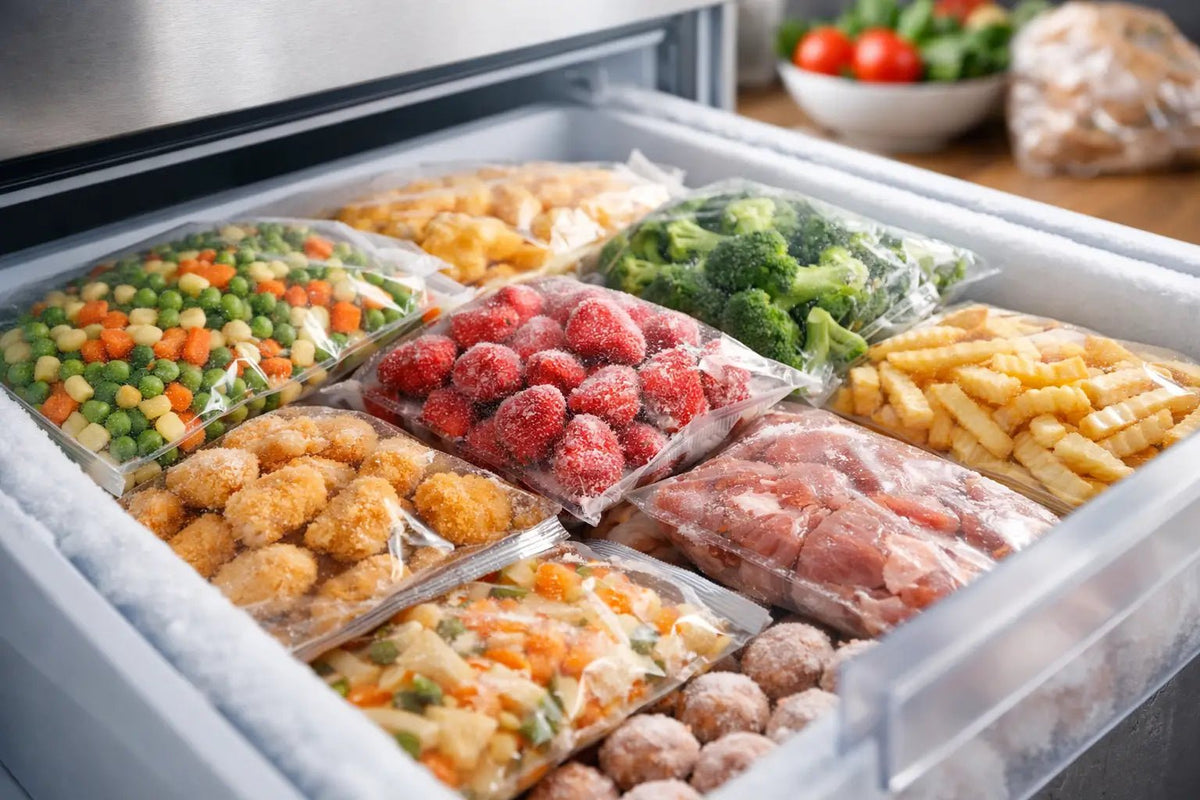
A bag of frozen vegetables sitting at the back of the freezer can be worth more to a household budget than a heavily promoted ready meal. The best value freezer foods are not simply the items with the lowest sticker price. They are foods your household will use, that keep well, make meals easier and stop good ingredients ending up in the bin.
For busy families and careful shoppers, frozen food offers a practical way to keep everyday meals covered without making an extra trip to the shops. It can help stretch a weekly food budget, particularly when fresh produce is expensive, plans change or you need to feed more people than expected.
What makes freezer food good value?
The price on the packet matters, but it is only the starting point. Compare the price per kilogram or per portion, then consider how much of the product is genuinely useful. A large bag of plain chicken portions may look good value, for example, but it is less useful if it contains bones and skin when you need quick diced chicken for a curry.
Waste is another part of the calculation. Fresh berries, herbs and bread can spoil quickly if they are not used in time. Their frozen equivalents may cost slightly more per pack, yet become the better buy because you can take out only what you need. That is real value, especially for smaller households or families with changing schedules.
Convenience has a place too. A freezer full of sensible basics can reduce the temptation to order a takeaway after a long day. It does not mean every meal needs to come from a box. It means having useful components ready to turn into a filling meal with cupboard staples.
Best value freezer foods to keep on hand
Frozen vegetables
Frozen peas, sweetcorn, mixed vegetables, spinach, broccoli florets and sliced peppers are some of the most dependable freezer buys. They are easy to portion, need little preparation and work across many meals. Add peas to pasta, sweetcorn to jackets, spinach to a curry or broccoli to a cheese sauce.
Choose plain vegetables over versions in butter, cheese sauce or seasoning when value is the priority. Plain packs usually give you more flexibility, and you control the flavouring at home. Mixed vegetable bags are especially useful when time is short, although individual vegetables can be better if your household has clear favourites.
Chips, potato products and frozen mash
Potatoes are filling, familiar and often one of the most economical ways to build a family meal. Frozen chips, wedges, roast potatoes and mash are useful for quick dinners, but the best option depends on how you cook. Air-fryer-friendly chips can save time and energy for smaller portions, while larger oven packs may suit a family meal.
Check serving sizes rather than assuming a bag will cover several meals. Premium coatings and added flavours can raise the cost quickly. Standard oven chips or plain potato products are often the better everyday choice, leaving room in the budget for vegetables and protein.
Fish fingers, fillets and seafood
Frozen fish can be a sensible route to easy midweek meals. Fish fingers remain a family staple because they are simple to cook, portioned and pair well with peas, chips, wraps or sandwiches. Plain white fish fillets are more versatile for pies, curries and traybakes, while frozen prawns can make an occasional meal feel more varied without buying fresh seafood that must be used immediately.
There is a trade-off. Coated fish products are convenient, but compare the actual fish content and price per kilogram. Larger packs can be good value only if you have freezer space and will use them before quality declines. For a tighter budget, choose a reliable everyday fish product and serve it with low-cost sides rather than paying extra for restaurant-style accompaniments.
Chicken, mince and meat-free staples
Frozen chicken pieces, mince, burgers, sausages and meatballs can make meal planning less stressful. The strongest value usually comes from items that can be used in more than one way. Chicken portions can become a roast-style dinner, pasta bake or curry. Meatballs work with spaghetti, a tomato sauce and rice, or in a sub roll.
Read the pack description carefully. Some value meat products contain more added ingredients, which is not automatically a problem, but it may affect how much protein you get per serving. Compare like for like, and choose the product that suits your household rather than assuming the biggest pack is always cheapest.
Meat-free freezer foods can also help keep costs steady. Vegetable burgers, meat-free mince, falafel and frozen beans or pulses offer convenient meal bases. They are particularly useful for meat-free nights, but do not overlook simple frozen vegetables and tinned pulses, which may give even better value for soups, stews and curries.
Fruit, pastry and baking essentials
Frozen berries, mango, cherries and mixed fruit are useful for breakfasts, smoothies, porridge, crumbles and yoghurt. They allow you to enjoy fruit beyond its short fresh shelf life. They can also reduce the cost of making puddings at home compared with buying individual desserts.
Keep a pack of pastry, garlic bread or dough products for simple meals, but use them as useful extras rather than the main event. Frozen pastry makes a quick pie topping for leftover chicken and vegetables, while garlic bread can turn soup or pasta into a more substantial dinner. A few freezer baking essentials can save a last-minute shop when visitors arrive or packed-lunch supplies run low.
Ready meals: convenient, but compare carefully
Frozen ready meals can be good value when they prevent a more expensive alternative. A couple of individual meals kept for late shifts, illness or busy evenings can be a practical backup. Family-size lasagnes, pies and curries may also work well when served with extra vegetables, salad or rice.
However, the cheapest-looking ready meal is not always the best value. Some portions are small, and buying several individual trays can cost more than cooking a similar dish from ingredients. Use ready meals strategically: for convenience, emergency meals and occasions when time matters most. For regular weeknight cooking, freezer basics are normally more flexible.
How to shop for best value freezer foods
Start with the meals your household actually eats. Buying foods because they are on offer is only a saving if they will be used. A simple freezer plan might include one or two proteins, several vegetables, a potato side, bread or pastry, fruit and one quick backup meal.
When comparing packs, look at unit prices and likely portions. A large bag often costs less per kilogram, but it can be false economy if it leaves no space for other food or becomes buried and forgotten. Smaller packs may be the better choice for a flat share, couple or anyone with a compact freezer.
It also helps to build meals around ingredients that overlap. Frozen peppers can go into fajitas, pasta sauce and omelettes. Peas can fill out fish pie, fried rice and a Sunday dinner. One bag that works in three meals is often better value than three specialist products used once each.
At Honesty Sales, practical household shopping is about finding everyday products at low prices without making value harder to work out. A well-chosen freezer order can sit alongside pantry staples and household essentials, helping you organise more of the weekly shop in one place.
Store frozen food so your savings last
Put frozen items away as soon as possible after delivery or shopping, and keep the freezer at -18°C or below. Leave products in their original packaging where practical, and write the opening date on larger bags. This makes it easier to use older food first.
Avoid overfilling the freezer. Cold air needs room to circulate, and a packed, disorganised freezer makes it far too easy to buy duplicates. Group similar foods together: vegetables in one section, proteins in another, and quick meals where they are easy to see. Keep a small list on the door if your household regularly loses track of what is inside.
Use frozen food within the quality guidance on the pack, even though it may remain safe for longer when stored correctly. Once defrosted, follow the label instructions and do not refreeze food unless it has been cooked first. These simple habits protect both food safety and the value of every pack.
The most useful freezer is not filled with expensive convenience food or bulk buys you cannot use. It is stocked with familiar, flexible ingredients that make tonight's meal easier and next week's shop a little lighter.

