
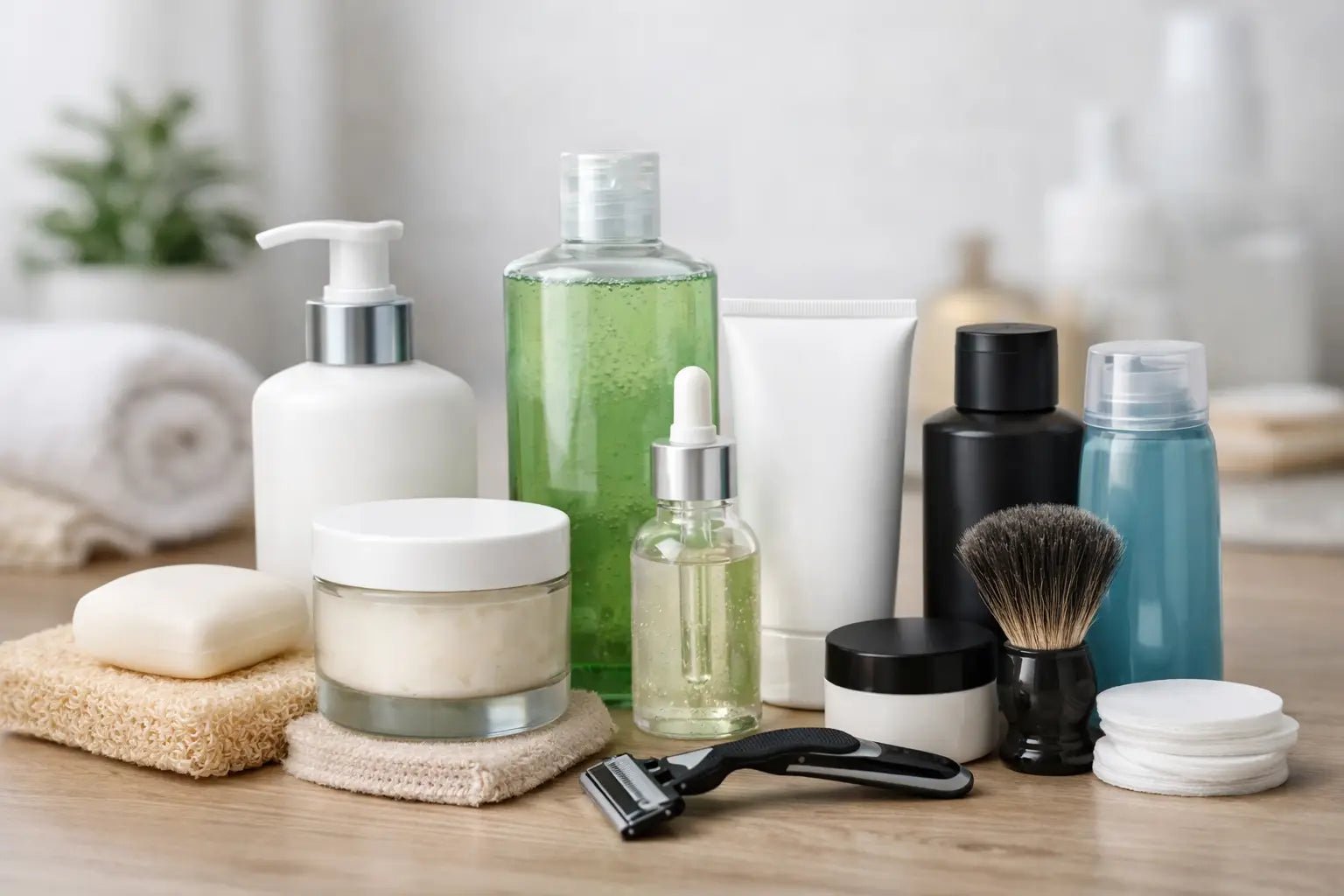
A bathroom cupboard can empty your budget faster than most people expect. Shampoo, shower gel, deodorant, toothpaste, razors, hand wash - none of it feels like a big purchase on its own, but together they can become a steady drain on weekly spending. That is why more shoppers are looking for the best value personal care products rather than simply picking the cheapest item or the biggest brand.
Value matters because personal care is not a one-off buy. These are repeat purchases. If a product works well, lasts properly and comes in at a sensible price, it saves money month after month. For busy households, that makes a real difference.
What best value personal care products really means
The best value personal care products are not always the lowest-priced items on the shelf. A bargain body wash that runs out in a week is often poorer value than a slightly larger bottle that lasts a fortnight longer. The same goes for toothpaste that needs a large amount each time, or razors that lose their edge after only a few uses.
Real value usually comes down to three things - price per use, reliability and how well the product fits your routine. A family-sized hand wash refill may look more expensive at first glance, but if it replaces several smaller bottles, it can work out far better for the household budget. Likewise, a trusted deodorant that lasts all day may save you from buying a second product to top up later.
For everyday shoppers, the goal is simple. Buy products you already need, at prices that make sense, without sacrificing basic performance.
How to spot the best value personal care products
Start with size, but do not stop there. Larger packs often offer better value, especially for essentials like soap, shower gel, cotton products and oral care. Still, bigger is only better if the product will actually be used before it expires or sits forgotten in the cupboard.
Multi-buy deals can also be worthwhile, especially for households that buy the same brands repeatedly. If everyone in the home uses the same shampoo or toothpaste, buying more than one at a time can lower the cost per item and cut down on repeat orders. If preferences differ, a larger mixed selection may be more practical than stocking up on one product no one else wants.
It also helps to think in terms of routine. A lower-cost moisturiser that suits your skin is better value than an expensive cream that promises more but does not become part of your daily use. In personal care, consistency often matters more than marketing.
Everyday categories where value makes the biggest difference
Some personal care categories offer bigger savings opportunities than others because they are used so often. Oral care is an obvious example. Toothpaste, toothbrushes and mouthwash are constant household staples, and buying wisely here can reduce long-term spend without much compromise.
Bath and shower products are another area where value is easy to spot. Shower gel, bar soap and bath products are often available in multiple sizes, scents and pack formats. If your household gets through these quickly, family packs and refill options can make more sense than single bottles.
Deodorants and antiperspirants are also worth comparing carefully. Price matters, but so does how long the protection lasts. A product that needs reapplying during the day may not be the best deal even if the shelf price is lower.
Shaving products can be more mixed. Disposable razors may seem cheaper upfront, while refill systems can work out better over time for regular users. It depends on how often you shave, how many people are buying, and whether convenience or cost matters more in your routine.
Skin care is where many shoppers overspend without real benefit. For everyday cleansing, moisturising and hand care, there are plenty of straightforward products that do the job well at sensible prices. Unless you have specific skin concerns, basic and dependable often wins on value.
Cheap versus good value
This is where plenty of shoppers get caught out. Cheap products can be useful, but they are not automatically good value. If a hand cream feels greasy and never gets used, or a shampoo leaves hair dry so you need extra conditioner, the low price stops looking attractive.
Good value products earn repeat use. They fit into daily life, perform as expected and do not create extra spend elsewhere. That may mean paying a little more for a toothpaste brand your family likes, or choosing a gentler soap that everyone can use instead of buying separate products for each person.
The trade-off is simple. If a low-cost option works, it is worth keeping. If it causes waste, irritation or replacement buying, it probably is not saving you money.
Best value personal care products for families
Family shopping changes the calculation. When several people use the same bathroom products, the smartest buys are usually the practical ones - larger formats, refill packs and essentials that suit different age groups.
Hand wash is a strong example. In a family home, pumps at sinks are used constantly, so refill bottles often work out better than replacing the full dispenser each time. The same applies to shower products, cotton wool, wipes and many oral care basics.
There is also value in keeping a small back-up stock of regular items. Running out of toothpaste or deodorant can lead to rushed purchases at higher prices. Buying when prices are right, rather than only when cupboards are empty, gives you more control over the budget.
That does not mean overbuying. The aim is to stay prepared, not turn the airing cupboard into a warehouse. A sensible reserve of everyday essentials is usually enough.
When branded products are worth it
Not every branded product is overpriced. In some cases, a known brand can offer better value because the quality is consistent and the product lasts longer. This is often true with deodorants, toothpaste and certain shaving or feminine care essentials where performance matters day after day.
That said, own-label and lesser-known alternatives can be excellent value in simpler categories such as bar soap, cotton pads, hand wash and basic body lotion. The right choice depends on the product type and how sensitive the user is to differences in texture, scent or results.
If you know your household is loyal to a specific brand, then the savings opportunity is usually in buying that brand more efficiently rather than swapping to a cheaper product no one wants to use.
Shopping smarter online for personal care
Online shopping makes value comparison easier because you can check sizes, pack counts and product types without standing in an aisle doing mental arithmetic. That matters for repeat essentials, where a small saving across several items quickly adds up.
It also helps shoppers combine personal care with other household needs in one order. That is often where the real convenience starts to show. If you are already buying groceries, cleaning products or baby essentials, adding toiletries at the same time saves both effort and unnecessary extra spend elsewhere.
For many households, a broad retailer such as Honesty Sales makes this process simpler because it brings together practical categories in one place and keeps the focus on low prices, straightforward shopping and dependable fulfilment. That suits routine buying far better than chasing one-off offers across multiple shops.
A practical way to build a better-value routine
The easiest way to cut spending on personal care is not to overhaul everything at once. Start with the products you buy most often. Check what runs out fastest, what your household always replaces, and which items get bought in a hurry. Those are usually the best places to improve value first.
Then look at pack size, frequency of use and whether each product truly works for the people using it. Small changes can go a long way. Switching to refill formats, buying sensible multipacks and dropping products that promise more than they deliver can reduce waste without making daily life harder.
Personal care should feel straightforward. You need products that are affordable, reliable and easy to keep on hand. If a product does its job, lasts well and fits the budget, that is usually the right choice. The best routine is not the fanciest one on the shelf - it is the one that keeps your household covered without making every restock feel expensive.

