
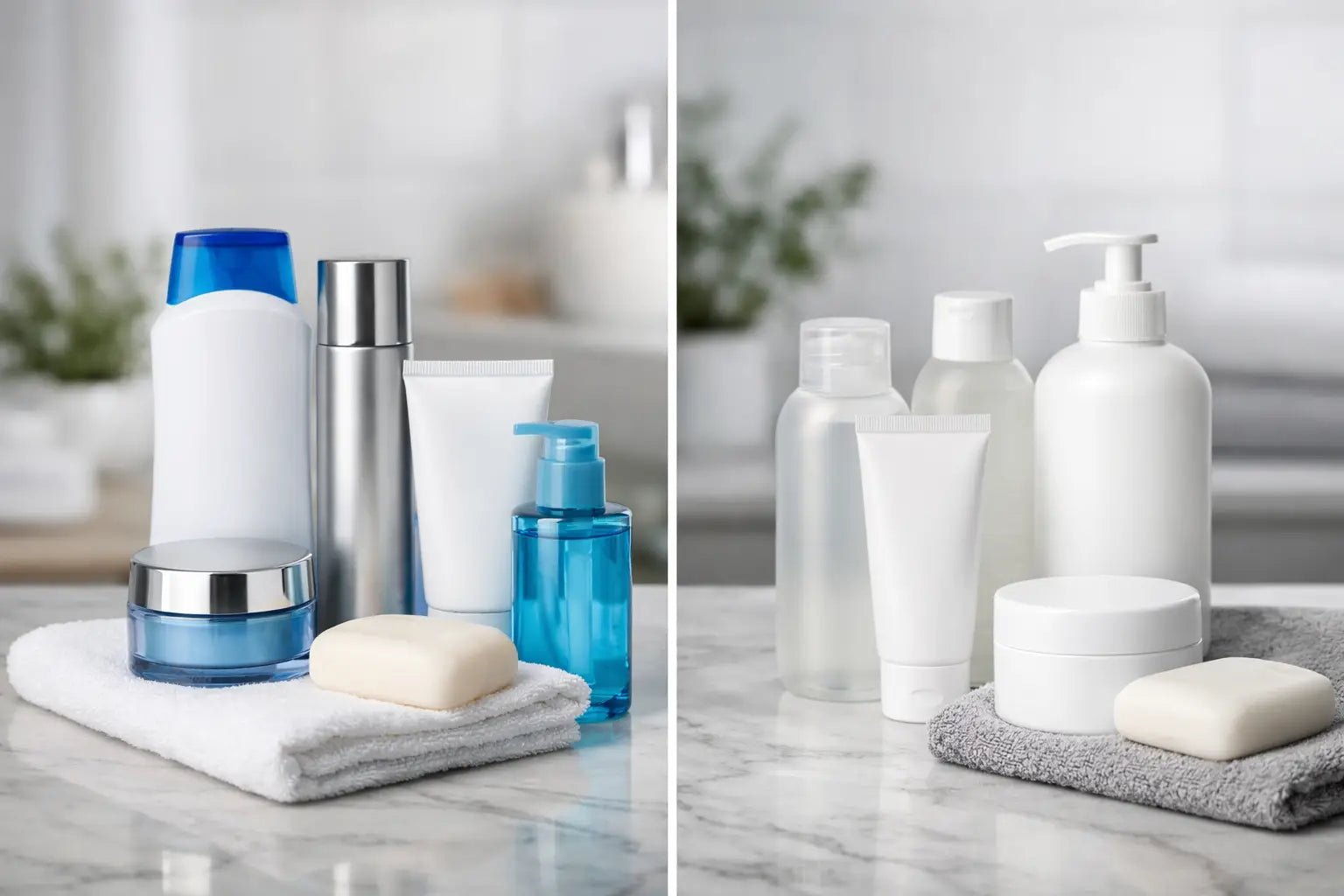
A bathroom cupboard is one of the easiest places for a weekly shop to become more expensive than expected. Shampoo, toothpaste, deodorant, hand wash, moisturiser and sanitary products are bought regularly, often for more than one person. When comparing branded toiletries vs own label, the right choice is rarely about buying the cheapest item every time. It is about getting the result your household needs without paying extra simply for a familiar name.
For many everyday products, own-label toiletries can offer dependable quality at a lower price. For others, a particular branded formula may be worth keeping because it suits sensitive skin, works better for your hair or lasts longer. A sensible basket can include both.
Why branded toiletries often cost more
Branded products carry costs beyond the formula in the bottle or tube. National advertising, distinctive packaging, product development and retailer promotions all affect the shelf price. None of that automatically makes a product poor value. A brand may have invested in a specialist ingredient, clinical testing or a formula that genuinely solves a specific problem.
The key point is that a higher price is not, on its own, proof of better performance. A well-known logo can make a product feel like the safe option, especially when it is something you have used for years. But toiletries are practical purchases. If a lower-priced alternative cleans, protects or moisturises just as well for your household, the saving is real.
Brand loyalty can also make prices harder to notice. Buying the same shampoo or toothpaste on autopilot means a small extra cost on each shop. Across a year, several small upgrades can add up to a meaningful amount, particularly for families buying multiples.
Branded toiletries vs own label: where the differences matter
The best comparison is not brand against no brand. It is product against product. Look at what the item is designed to do, how often it will be used and whether anyone in your household has specific needs.
Everyday basics are often the easiest switch
Products such as cotton wool, cotton buds, basic hand wash, shower gel, bath soak, tissues, disposable razors and standard moisturising lotion are often good places to try own label. Their job is straightforward, and the differences between options may be small in normal day-to-day use.
Toothpaste needs a little more attention. For general family use, check that it contains fluoride at a suitable level and meets the needs stated on the pack. If you buy a specialist whitening, sensitivity or gum-care toothpaste because a dentist has recommended it or it works for you, there may be a reason to stay with that product. Otherwise, a standard own-label fluoride toothpaste can be a practical saving.
With shampoo and conditioner, results depend more on hair type. A basic own-label option may be ideal for regular washing, while a branded anti-dandruff, colour-care or curl product might be worth the extra for someone who gets a noticeably better result from it. There is no need for every member of the household to use the same premium bottle.
Sensitive skin changes the calculation
For babies, eczema-prone skin, allergies or easily irritated skin, price should not be the only deciding factor. Read the ingredients and claims carefully rather than relying on whether the product is branded or own label. Fragrance-free and hypoallergenic claims may help some shoppers, but they do not guarantee that every skin type will react the same way.
If a product has caused irritation before, avoid changing several items at once. Try one replacement at a time and stop using it if there is a reaction. Where a pharmacist, GP, dermatologist or other health professional has advised a particular product, follow that advice rather than switching solely to save money.
The same applies to personal care products with an active purpose. Medicated shampoos, high-protection sun cream, specialist mouthwash and treatments for defined skin concerns should be chosen for suitability first. A lower price is useful only when the product still meets the job required.
Compare value, not just the price on the pack
A £1 bottle is not automatically better value than a £2 bottle. The larger product might contain twice as much, require less per use or last longer. Check the size in millilitres or grams, then compare the unit price where it is shown. This is especially useful for shampoo, deodorant, body wash, hand soap refills and sanitary products.
Also consider how much is actually used. A thick shampoo or concentrated mouthwash may go further than a thinner alternative. On the other hand, some branded packaging can make a product look larger or more premium than it is. The label gives a clearer answer than the bottle shape.
Do not overlook multi-packs, but only buy them when they fit your routine. Stocking up on toothpaste, soap or deodorant can lower the cost per item and reduce last-minute shopping. Buying six varieties of a new face cream because it is on offer is less useful if nobody likes it.
A good rule is to compare like for like: similar size, similar purpose and similar key features. A basic own-label shower gel should not be judged against a branded treatment wash with a different use. Once the products are comparable, the lower-priced option deserves a fair trial.
A practical way to build a lower-cost toiletries basket
Start with the items you buy most often. These are where a small saving is likely to make the greatest difference. Make a note of the products that are replaced every month or two, then separate them into three groups: simple essentials, products with a specific need, and personal favourites.
Simple essentials are the first place to test own label. Buy one item rather than changing the whole cupboard, use it for a week or two, and decide whether it performs well enough. If it does, make the swap permanent. If it does not, you have learned without wasting a large multi-pack.
For products with a specific need, compare ingredients, protection levels and directions for use before deciding. This group may include baby toiletries, sensitivity toothpaste, anti-dandruff shampoo and sun cream. Here, choosing a suitable product matters more than chasing the lowest ticket price.
Personal favourites are allowed in a value-focused shop. Perhaps one person prefers a particular deodorant scent, or a branded conditioner makes styling easier. Keeping one or two products that make a genuine difference can be more realistic than attempting to replace everything. Savings tend to last when the routine still works for the people using it.
It also helps to keep a small reserve of essentials at home. Running out of toothpaste or shampoo often leads to a rushed purchase at the nearest shop, where choice and prices may be less favourable. Adding regular toiletries to a wider grocery and household order makes it easier to plan ahead and compare options calmly.
When branded products can be worth the extra
There are good reasons to choose branded toiletries sometimes. A product may have a formula you know works, a scent you enjoy, a dispenser that is easier for children to use, or a specialist benefit that a cheaper alternative does not match. If it lasts longer or prevents you from buying another product to solve the same problem, it may offer better value after all.
Promotions can change the comparison too. A branded product on a genuine offer can cost the same as, or less than, an own-label equivalent. Check the final price and size rather than assuming either category always wins. Value shopping is about flexibility, not rules.
The most useful approach is to avoid paying a premium out of habit. Keep branded products where they earn their place, switch the straightforward basics where you can, and review your regular basket every few months. A few sensible swaps can leave more room in the budget for the essentials that matter most.

