
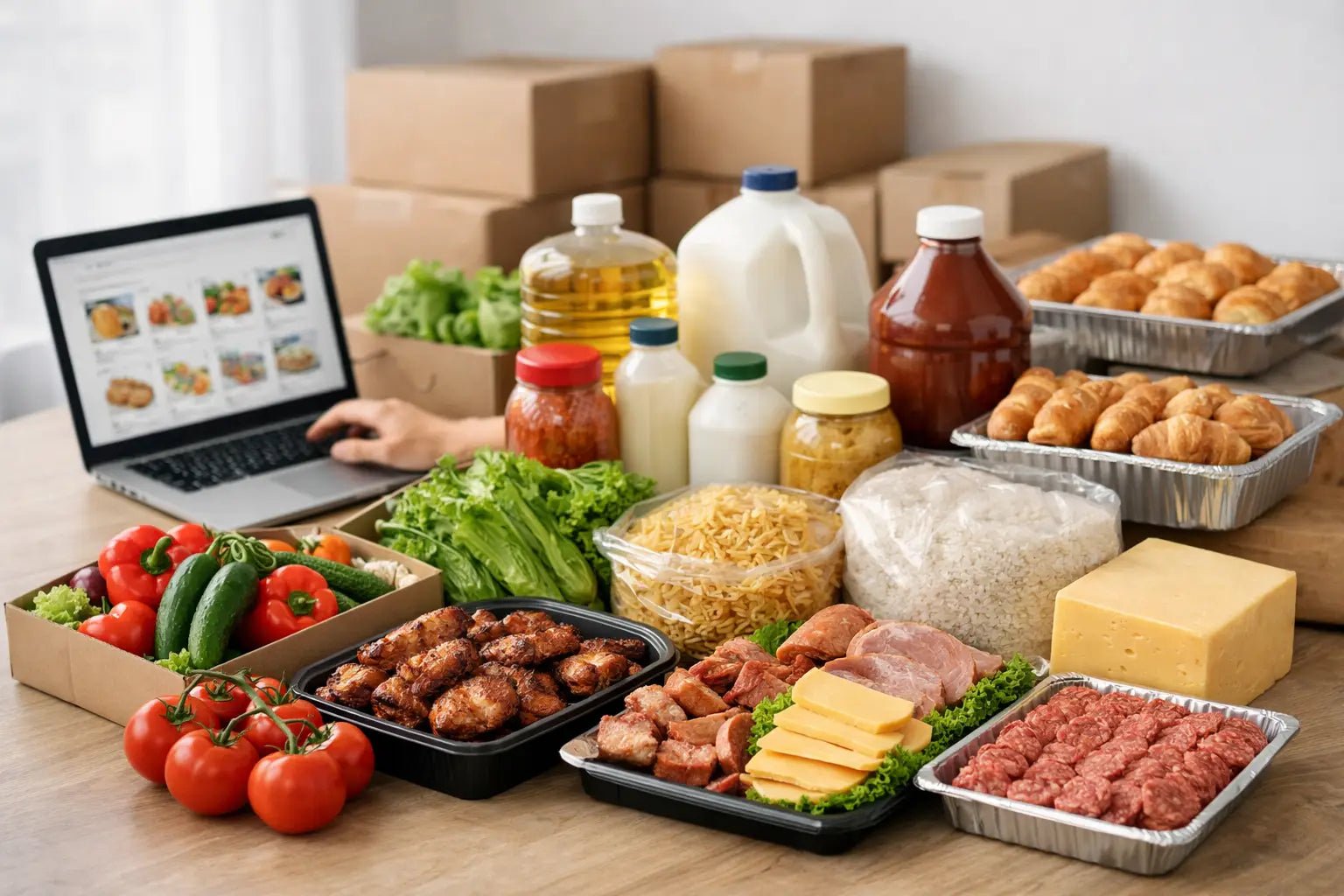
Running out of oil halfway through service is expensive in all the wrong ways. The same goes for napkins, soft drinks, cleaning products and the everyday staples that keep kitchens, canteens and events moving. That is why more buyers now source bulk catering groceries online - not as a luxury, but as a practical way to control costs, save time and keep essentials in one steady flow.
For caterers, workplace kitchens, community groups and large households, the appeal is straightforward. Buying in bulk can reduce the cost per unit, cut down on emergency top-up shops and make it easier to plan around real demand. Ordering online adds another layer of convenience because stock can be compared quickly, categories are easier to search, and repeat purchases take less effort than walking aisle after aisle.
Why bulk catering groceries online make sense
The biggest advantage is value. When you are buying pasta, rice, tinned tomatoes, flour, tea, coffee, bottled drinks or disposable tableware in larger quantities, small price differences add up quickly. A lower unit price across regular lines can make a visible difference to weekly or monthly spend, especially if you are feeding large numbers.
There is also the time factor. Traditional cash-and-carry buying still works for some operators, but it often means travel, loading, queues and the risk that one key item is out of stock when you arrive. Buying bulk catering groceries online allows you to build a basket at a time that suits you, review quantities properly and place an order without leaving the kitchen, office or home.
That said, bulk buying only saves money when the products match your turnover. Over-ordering perishable food, choosing pack sizes that are awkward to store, or buying specialist items you do not use often can tie money up in stock. The best results usually come from bulk ordering the lines you know move consistently, then topping up more sensitive items in smaller volumes.
What to buy in bulk and what to watch
Dry goods are usually the easiest place to start. Rice, pasta, noodles, flour, sugar, salt, cereals, cooking oil and tinned goods have broad use and tend to store well when handled correctly. These are the products that suit repeat ordering because demand is steady and shelf life is less of a concern.
Drinks are another strong category for bulk buying, particularly bottled water, juices, fizzy drinks, tea and coffee. If you run a café, staff kitchen, event space or community venue, beverages often disappear faster than expected. Buying larger packs reduces the chance of last-minute shortages and can simplify stock checks.
Frozen foods can also offer excellent value, but storage matters more here. Chips, vegetables, meat alternatives, desserts and prepared items are useful when you have the freezer capacity and a clear rotation system. If you are short on space, the lower price may not justify the pressure on storage.
Cleaning supplies, paper goods and catering disposables are often overlooked, yet they are among the smartest bulk purchases. Bin bags, washing-up liquid, sanitiser, tissue products, foil, cling film and takeaway packaging are not glamorous, but they are essential. Running out causes disruption just as quickly as missing food ingredients.
Fresh produce is where caution helps. Buying online for bulk quantities can still work well for fruit, vegetables, dairy and chilled foods, but only if your usage is predictable and delivery timing is dependable. If demand changes day to day, a more flexible buying pattern may protect your margin better than chasing the biggest pack size.
How to buy bulk catering groceries online without wasting money
Start with usage, not offers. A large pack only makes sense if it will be used before quality drops or storage becomes a problem. Look back at your last few weeks of purchasing and identify the products that are ordered again and again. These should form the base of your online basket.
Next, check the real cost rather than the headline price. A case deal can look attractive, but what matters is the cost per item, per kilo or per litre. This is especially useful when comparing different brands, multipacks and catering-size formats. Budget buyers often save the most not by choosing the absolute cheapest line, but by spotting where a better-sized pack gives stronger value over time.
It also helps to split products into three groups: everyday essentials, flexible extras and occasional items. Everyday essentials are the lines you should feel confident ordering in larger quantities. Flexible extras are useful products that depend on season, events or footfall. Occasional items are best kept lean, even if the bulk price looks tempting.
Storage planning matters more than many buyers expect. Before placing a larger order, check shelf space, freezer space and how goods will actually be rotated. Bulk packs can be cost-effective but awkward if they block access, create clutter or make stock harder to count. A tidy storeroom usually supports better buying decisions.
Choosing the right supplier for bulk catering groceries online
Price matters, but it should not be the only test. A low basket total loses its appeal if stock levels are unreliable, substitutions are poor or delivery windows are unclear. Buyers looking for bulk catering groceries online should pay close attention to the basics: breadth of range, consistent availability, sensible pricing and clear customer protection.
A broad catalogue can make a real difference. If you can source pantry goods, frozen food, household essentials, health and beauty items, office supplies and cleaning products in one place, ordering becomes simpler. That means fewer separate checkouts, less admin and more chance of keeping routine buying under control.
Delivery terms matter too. For bulk orders, reliability is part of the value. Free shipping thresholds, delivery guarantees, returns policies and refunds for issues all help reduce the risk of buying larger quantities online. For many customers, reassurance is just as important as a low price, particularly when the order includes a mix of food and everyday essentials.
This is where a practical marketplace model can work well. A retailer such as Honesty Sales appeals to buyers who want discount-led pricing, broad category coverage and the ease of ordering groceries alongside household and workplace essentials from one UK-based operation. That kind of range suits busy households as much as smaller catering buyers who do not want to split their orders across multiple websites.
Who benefits most from buying in bulk online
Small caterers are an obvious fit, but they are not the only ones. Offices, nurseries, clubs, places of worship, sports venues and community organisers often need the same dependable staples in larger quantities. For them, bulk online ordering is less about hospitality jargon and more about practical stock control.
Large families can benefit too, especially when buying non-perishables, drinks, baby items and household consumables. If the products are used every week, buying in bigger packs can reduce both spending and shopping frequency. It is not about buying everything in oversized quantities. It is about choosing the lines that genuinely make daily life easier.
Trade buyers and workplace purchasers also gain from combining categories. A single order that covers catering groceries, cleaning products, paper goods, workwear and basic supplies saves time. If you are responsible for keeping a site stocked, convenience has a direct value because it reduces repeat ordering and avoids gaps.
Common mistakes to avoid
The most common mistake is buying for optimism rather than history. If a product might be useful one day, it probably should not be a bulk purchase. Another frequent problem is ignoring storage conditions. Dry stock needs to stay dry, chilled goods need proper space, and frozen stock needs room for safe rotation.
Some buyers also focus too heavily on branded favourites when own-label or alternative lines would do the same job for less. Others spread spend across too many similar products, which weakens the savings that bulk buying can offer. Keeping the core range tight often leads to better value.
Finally, do not treat online ordering as a one-off task. The best results come when you review what actually moved, what sat on the shelf and where the better-value pack sizes were. A small adjustment each order can steadily improve both cost control and convenience.
Bulk buying works best when it is simple, sensible and based on what you really use. Get the basics right, and bulk catering groceries online can turn routine ordering into one less thing to worry about.

