
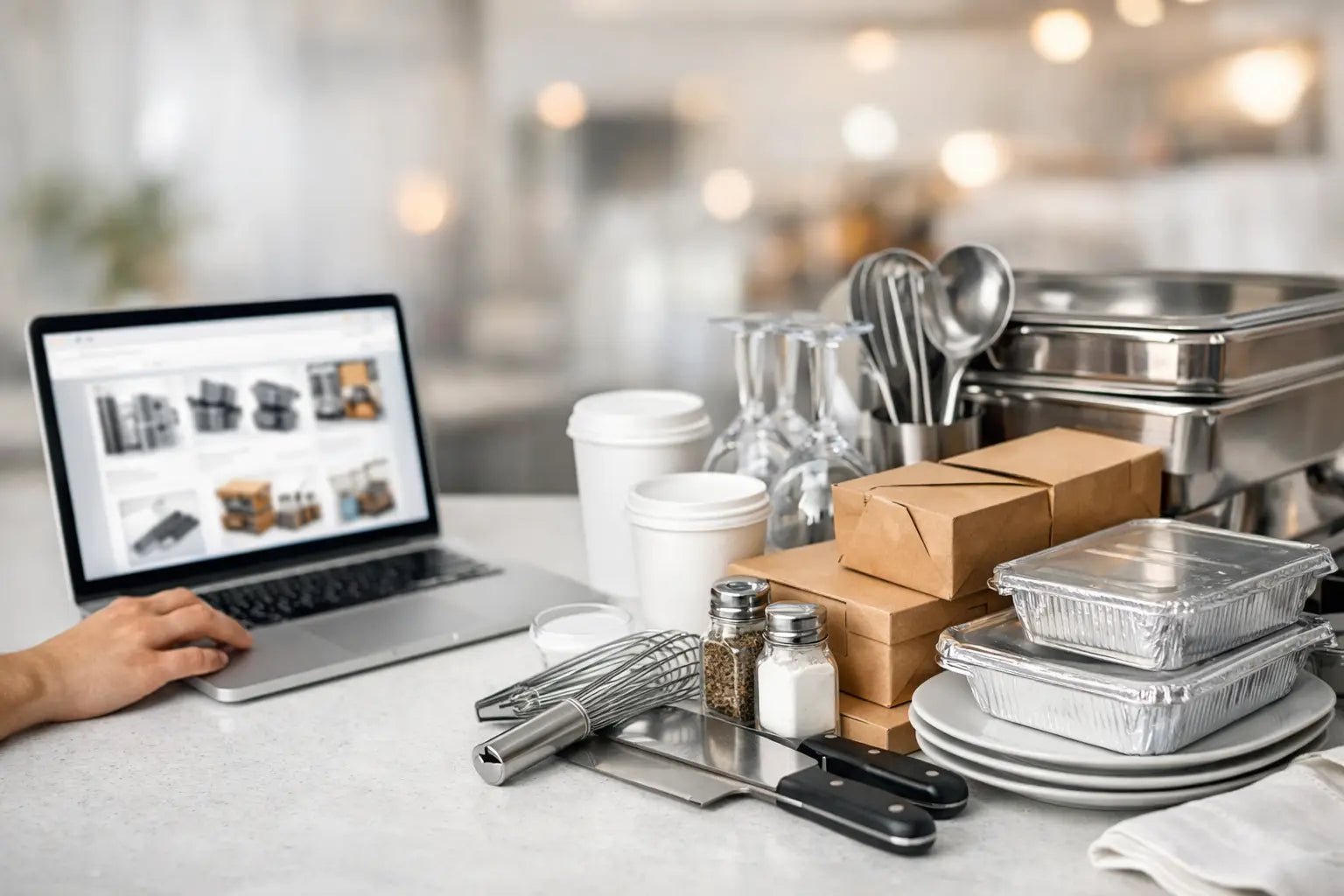
A busy kitchen can run short of the basics faster than expected. Tea bags disappear, cooking oil runs low, bin bags fill up and a missing pack of napkins can slow down service at exactly the wrong moment. Buying catering supplies online gives cafés, offices, community groups and home event organisers a practical way to restock without spending valuable time travelling between shops.
For budget-conscious buyers, the best approach is not simply to buy the lowest-priced item. It is to build an order around the products used most often, choose sensible pack sizes and avoid paying more for last-minute top-ups. From pantry staples and drinks to cleaning essentials and disposable serving items, a well-planned online basket can keep everyday catering costs under control.
What to Buy When Ordering Catering Supplies Online
Catering needs vary by setting. A small office kitchen may mainly need coffee, biscuits, milk alternatives and cleaning products. A mobile food business may be focused on ingredients, food containers, gloves and wipes. For parties and community events, the priority is often drinks, snacks, plates, cups, napkins and bin liners.
Start with the items that affect day-to-day service. These tend to be the products people notice only when they are gone: tea, coffee, sugar, long-life milk, cooking ingredients, sauces, bottled water, soft drinks, kitchen roll, washing-up liquid and refuse sacks. Keeping these regular purchases together makes it easier to compare prices and order enough for the week or month ahead.
It also makes sense to separate food supplies from operational essentials in your planning. Food and drink are central to the menu, but cleaning and hygiene products protect the space where food is prepared and served. A lower-priced food order can lose its value if you then need an urgent separate purchase of gloves, cloths or surface cleaner.
Food cupboard staples that go further
Dried goods are often the foundation of affordable catering. Rice, pasta, flour, tinned vegetables, beans, soups, cereals, cooking oil, stock, herbs and sauces can support a wide range of meals while being easy to store. They are especially useful for organisations serving changing numbers of people, where fresh ingredients alone may be harder to predict.
Check the pack weight rather than just the headline price. A larger pack may offer better value per kilogram, but only if you have the storage space and will use it before the best-before date. Smaller packs can be the smarter choice for occasional events, limited menus or products with a shorter usable life once opened.
Snacks and drinks deserve the same attention. Multipacks can reduce the cost per item for offices, waiting rooms and regular functions. However, it is worth choosing familiar options that people are likely to take. A bargain case is not good value if half of it remains unused in a cupboard.
Serving and takeaway essentials
Disposable plates, cups, bowls, cutlery, napkins, food tubs, foil and cling film can make a service run more smoothly. The right choice depends on whether food is eaten on site, carried away or prepared in advance. Hot food needs containers that can cope with heat and moisture, while cold buffet food may need clear covers, trays or storage tubs that help keep it protected.
Do not overlook the practical extras. Stirring sticks, paper towels, condiment sachets, labels and freezer bags are small items, but they can prevent avoidable delays. For an event, it is generally sensible to allow a modest surplus of cups, plates and napkins. Guest numbers can change, and people often use more napkins than planned.
How to Keep Catering Costs Under Control
Price matters, but a useful catering budget looks at the full order rather than one item at a time. Consolidating purchases in one place can reduce the effort of ordering and help avoid several delivery charges. It also makes it easier to see what is being bought repeatedly and where a switch in pack size or brand could save money.
Create a simple stock list with three sections: always needed, regularly needed and event-specific. Always-needed products might include cleaning liquid, hand soap, tea and bin liners. Regularly needed products could include snacks, coffee, cooking ingredients and paper goods. Event-specific items cover decorations, buffet trays, extra drinks or disposable tableware.
Review the list before placing an order. This stops duplicate buying, particularly where more than one person is responsible for purchasing. It can also reveal products that are being used more quickly than expected, such as bottled water in warm weather or kitchen roll during a busy period.
Buying in bulk is often worthwhile for fast-moving essentials, but it is not automatically the cheapest option. Storage, waste and cash flow all matter. A large catering pack of sugar is useful if you run a daily staff kitchen. For a one-off gathering, it may be more cost-effective to buy a smaller quantity and use the budget elsewhere.
Plan around delivery, not emergencies
The biggest cost pressure often comes from urgent buying. When supplies run out unexpectedly, there is less time to compare options and more chance of paying a higher local price. Set a reorder point for key products: for example, place an order when there is one unopened pack or one week of stock remaining.
Online ordering is particularly useful for planned replenishment. With a UK warehouse, free shipping offers, delivery guarantees and straightforward returns, Honesty Sales is designed to make routine shopping feel less risky for households and practical buyers alike. The same approach works well for catering essentials: order ahead, check quantities carefully and keep a small reserve of critical supplies.
Choose Supplies for the Job, Not Just the Price
The cheapest item is not always the best choice when it causes more work or produces more waste. Thin bin bags may split under heavy loads. Low-quality paper towels may mean using twice as many sheets. Containers without secure lids can create problems during transport. For high-use products, a dependable mid-priced option can be better value than replacing poor-quality goods too often.
Food service also calls for sensible attention to hygiene. Keep cleaning products clearly separate from food orders and select items suited to the surfaces you use. Hand wash, sanitising products, disposable gloves and cleaning cloths should be easy for staff or volunteers to find when needed. If you serve food to the public, follow your usual food safety procedures and check product labels for appropriate use.
For dietary requirements, read descriptions and packaging carefully before buying. Vegetarian, vegan, gluten-free and allergen-aware options can be essential for schools, workplaces and public events. It is better to plan a small number of clearly suitable choices than to make assumptions at the serving table.
A Simple Ordering Routine for Busy Buyers
A regular routine takes the pressure out of catering purchasing. First, count what is actually on the shelf rather than relying on memory. Next, check upcoming demand: a meeting, school event, weekend booking or staff training day may change what you need. Then build the basket from core supplies outward, adding event-specific products only after the essentials are covered.
Before checkout, check pack quantities, flavours, sizes and storage requirements. A case of drinks may be excellent value, but it still needs somewhere cool and safe to keep it. If an alternative product offers a similar saving in a more useful size, it may be the better fit for your space.
Finally, keep a note of what worked. Record which items ran out early, which products were popular and which purchases created waste. After a few orders, this becomes a practical buying guide tailored to your own kitchen, office or event schedule.
The next time you need to restock, start with the essentials that keep service moving and build from there. A clear list, realistic quantities and a planned online order can leave more of the budget for the food, people and occasions that matter.

