
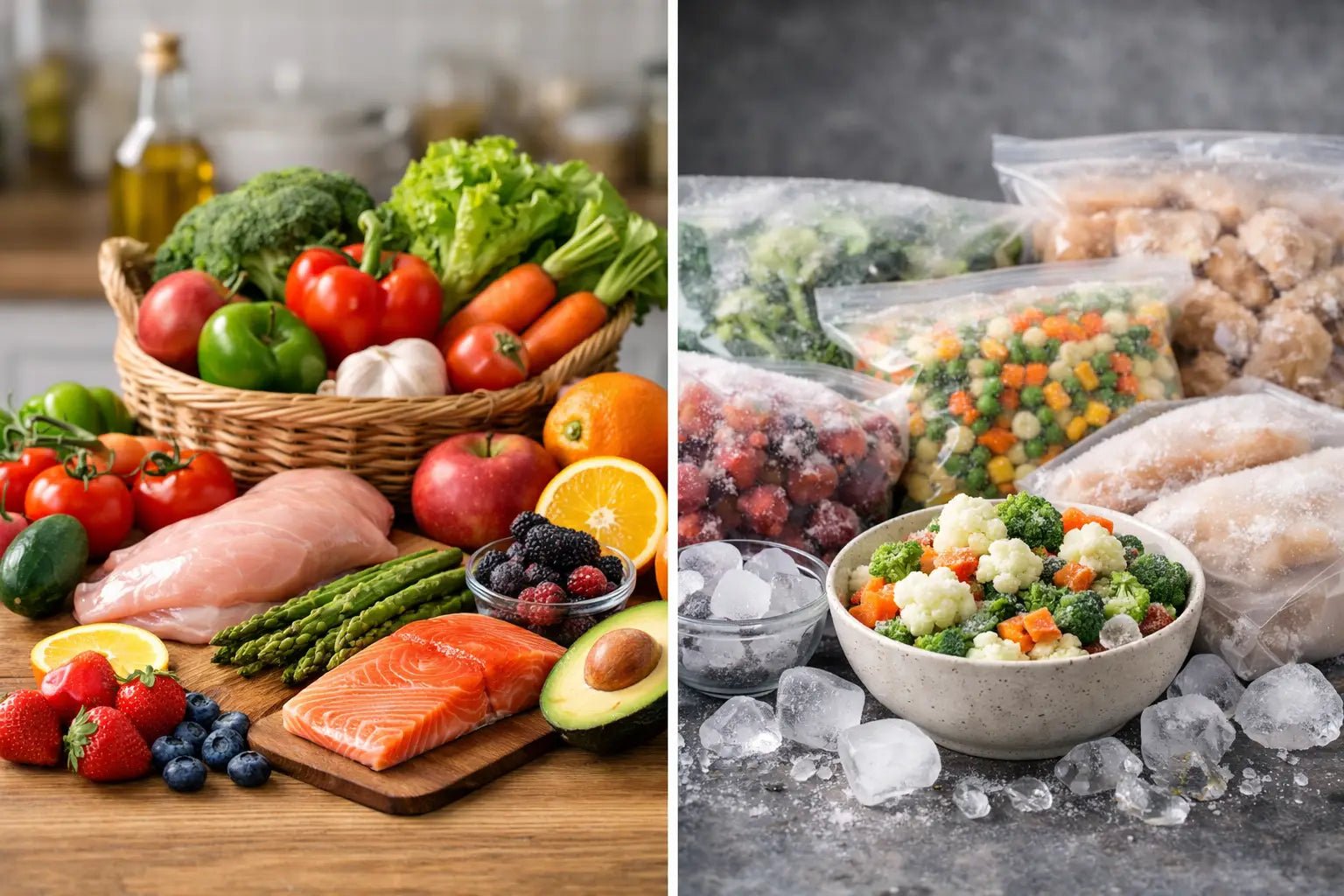
A bag of spinach that goes slimy by Thursday and a freezer full of peas that are still ready weeks later - that is the real choice many households are making. When comparing fresh groceries vs frozen alternatives, the best option is not always the one that looks nicest on the shelf. It often comes down to cost, waste, convenience and how your home actually shops, cooks and stores food.
For budget-focused households, this matters. A good shop is not just about filling the fridge. It is about making sure food gets used, meals stay easy, and money does not end up in the bin. Fresh and frozen both have a place, but they do different jobs.
Fresh groceries vs frozen alternatives: what really changes?
The biggest difference is time. Fresh food usually gives you better flexibility for same-day meals, salads and recipes where texture matters most. Frozen food gives you more breathing room. You can buy ahead, use only what you need, and keep staples on hand without worrying about a short use-by window.
That changes the value of the product. A cheaper fresh pack is not a bargain if half of it gets thrown away. A frozen option that costs a bit more upfront can still work out better if every portion gets used. For families, shift workers, parents and anyone trying to keep a practical kitchen running, that distinction is important.
There is also the question of planning. If you shop once a week or less, frozen often makes life easier. If you cook most meals the same day and know exactly what you need, fresh can be the better fit. Neither category wins across the board.
Cost: the price on the pack is only part of it
Fresh produce can look like the lower-cost choice, especially when it is in season or on promotion. But real value depends on how much of it you eat before it spoils. Herbs, berries, salad leaves and soft fruit are common examples. They can be excellent fresh, but they are also easy to waste.
Frozen options usually offer stronger value when you want portion control. Frozen berries for porridge, frozen peppers for cooking, or frozen fish fillets for quick dinners let you take what you need and leave the rest for another day. That reduces waste and stretches the budget.
For larger households, fresh can still be cost-effective because it gets used quickly. For smaller households, couples, or anyone with an unpredictable routine, frozen often gives more consistent savings over time.
It is worth thinking beyond groceries too. If one order lets you pick up pantry items, household basics and food in the same place, that can save time and delivery costs as well. Convenience has value when it helps you stay stocked without extra trips.
Where fresh often offers better value
Fresh usually makes sense for foods you will use quickly and where texture is part of the meal. Lettuce, cucumbers, fresh tomatoes, bananas and bakery items are typical examples. If they are getting eaten within a day or two, fresh can be the simplest and best-value option.
Where frozen often saves more
Frozen comes into its own for vegetables used in cooking, fruit for smoothies or desserts, meat or fish portions, and foods you want to keep in reserve. It is especially useful for keeping meal options available without buying too much fresh stock at once.
Nutrition: fresh is not always ahead
Many shoppers assume fresh automatically means more nutritious, but it depends on the product and how long it has been stored. Fresh fruit and vegetables can lose some nutritional value over time, especially if they sit in transport, on shelves and then in the fridge for several days.
Frozen produce is often picked and frozen quickly, which helps lock in nutrients. That means frozen peas, spinach, broccoli and berries can compare very well nutritionally with fresh versions. In some cases, they may be closer to peak condition than fresh items that have had a longer journey.
That said, not all frozen food is equal. Plain vegetables and fruit are one thing. Ready meals, breaded products or items with sauces can be higher in salt, sugar or fat. The category matters. If you are comparing fresh broccoli with frozen broccoli, the gap is often small. If you are comparing fresh chicken with heavily processed frozen chicken products, that is a different decision.
Texture and taste: this is where fresh often wins
Fresh food usually has the edge where crunch, bite and appearance matter. A salad, sandwich filling or fruit platter is rarely improved by freezing. Fresh peppers, grapes, apples and leafy greens do a different job from frozen alternatives.
Frozen works best in cooked meals where texture changes are less noticeable. Stir-fries, curries, soups, pasta dishes, casseroles and smoothies are all good examples. Frozen sweetcorn or peas can be hard to tell apart once cooked into a meal. Frozen berries can be perfect in porridge, yoghurt or baking even if they are softer after defrosting.
So the better question is not which tastes better overall. It is which one suits the way you plan to use it. Fresh for raw eating and presentation. Frozen for convenience, cooking and longer storage.
Shelf life and food waste: frozen has a clear advantage
This is where frozen alternatives are hard to ignore. Fresh groceries can put pressure on the week. You buy with good intentions, then plans change, work runs late, or children want something different. Suddenly the fridge is full of food nearing its limit.
Frozen gives you breathing space. You can store food for longer, use portions as needed and keep backup options ready for busy days. That makes it easier to avoid takeaways, last-minute top-up shops and wasted food.
For households trying to keep spending under control, reducing waste is one of the quickest wins. It is not only about buying cheaper items. It is about buying in a way that matches real life.
Fresh groceries vs frozen alternatives for different households
A large family that cooks every evening may get through fresh produce fast enough to make it the obvious choice for many items. A smaller household may be better off mixing fresh essentials with frozen backups. Parents often benefit from frozen vegetables, fruit and protein options because they can make meal times more flexible.
If you batch cook, frozen ingredients are practical. If you enjoy frequent top-up shops and prefer choosing produce in small amounts, fresh may suit you better. If you work long hours, keep irregular schedules or want fewer wasted items, frozen can make everyday shopping easier.
There is no single right answer because shopping habits are different. The smart approach is often a combined one.
The most practical way to shop both
The strongest value usually comes from treating fresh and frozen as partners, not rivals. Fresh covers the foods you want to eat soon and enjoy at their best. Frozen covers staples, backups and ingredients that support quick, low-waste meals.
A sensible basket might include fresh milk, bananas, salad items and bread, alongside frozen vegetables, fruit, chips, fish or meat portions. That gives you options across the week without relying too heavily on food that may spoil quickly.
This kind of mixed shop also helps with meal planning. You can cook a few meals around fresh ingredients early in the week, then switch to frozen-supported meals later on without another big spend. For value-led shoppers, that is often the most reliable balance of cost and convenience.
At Honesty Sales, the appeal of buying everyday essentials in one place is simple - you can stock up on practical household needs while keeping your grocery shop focused on value and ease. That matters when you are trying to make each order work harder.
When to choose fresh, and when frozen makes more sense
Choose fresh when you care most about crisp texture, appearance and immediate use. Choose frozen when shelf life, portion control and waste reduction matter more. If an item is mainly going into a cooked meal, frozen is often the practical buy. If it is the centre of a salad, lunchbox or fruit bowl, fresh is usually worth it.
Price-conscious shopping is rarely about picking one side and sticking to it. It is about choosing the version that gives you the best use, the least waste and the easiest route to getting meals on the table.
A well-run kitchen is not the one with the fanciest shop. It is the one that stays stocked, keeps costs steady and gives you something useful to cook even on a busy Wednesday night.