
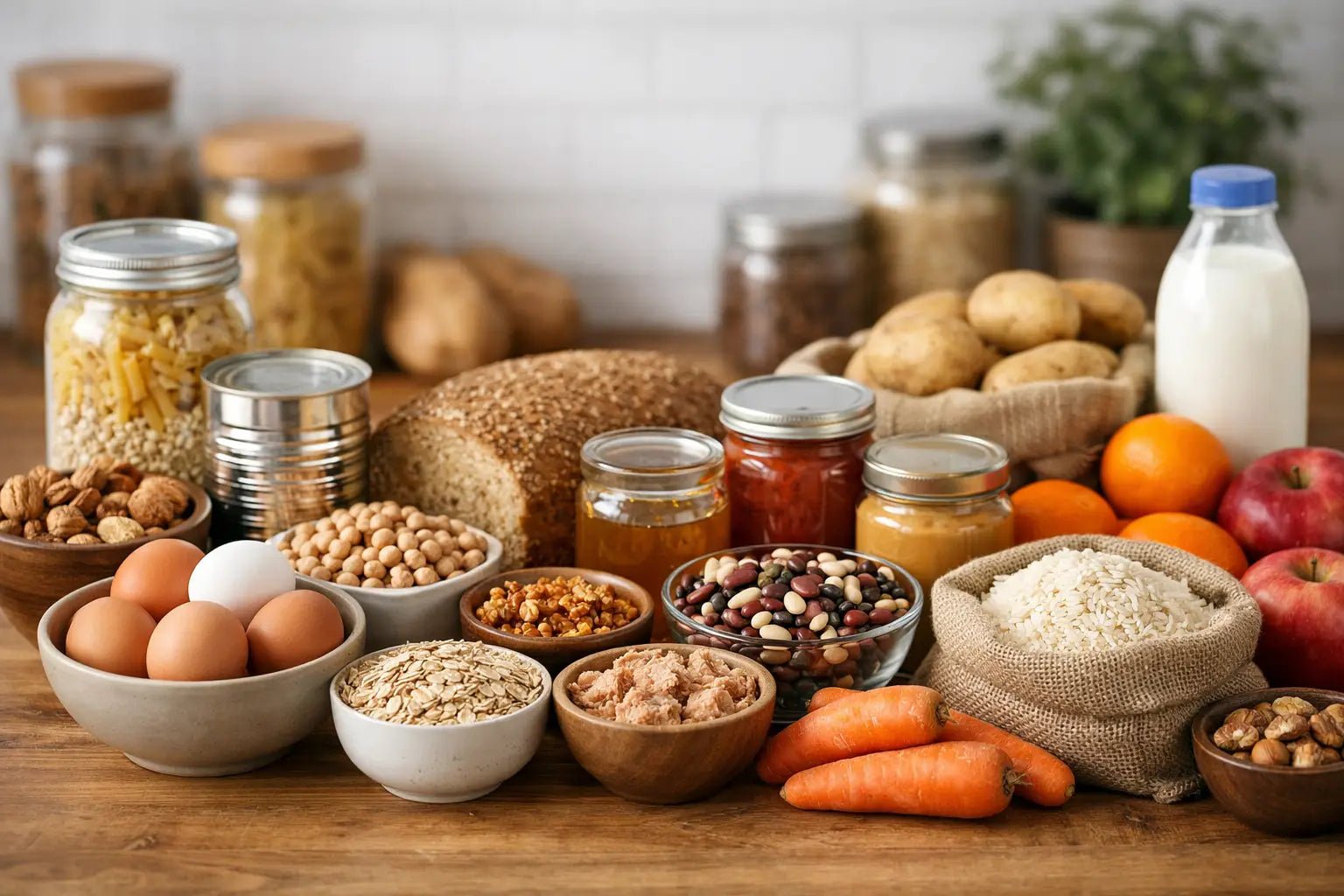
When the cupboard is running low on a Wednesday and nobody wants an expensive top-up shop, the best foods for family cupboards earn their keep. They help you turn out meals, pad out packed lunches, cover last-minute dinners and keep costs under control without relying on takeaways or constant supermarket trips.
For most households, a good cupboard is not about filling shelves with random tins. It is about choosing practical staples that last well, get used often and work across breakfast, lunch, dinner and snacks. If you buy smart, a family cupboard can do a lot of heavy lifting for your weekly budget.
What makes the best foods for family cupboards?
The best cupboard foods do three jobs. First, they store well, so you are not wasting money on food that goes off quickly. Second, they are flexible, which means one item can be used in several meals. Third, they offer decent value per portion, especially when you are feeding more than one person.
That does not always mean buying the cheapest item on the shelf. Sometimes paying a little more for a larger pack or a product your family will actually eat is the better buy. A bargain is only a bargain if it gets used.
1. Pasta
Pasta is one of the easiest wins for family cupboards. It is affordable, filling and quick to cook, which matters on busy school nights. It also suits lots of different meals, from a basic tomato sauce to pasta bakes, soups and cold lunchbox salads.
Dried pasta keeps well and comes in sizes and shapes that help meals feel different even when the ingredients are simple. If you keep a couple of varieties in the cupboard, you have an easy base for several low-cost dinners.
2. Rice
Rice is another staple that stretches meals without stretching the budget. It works with curries, chilli, stir-fries and traybake leftovers, and it is useful for both meat-based and meat-free dinners.
For family shopping, larger bags often make better sense than smaller packs, especially if rice is already part of your weekly routine. White rice stores for a long time and is usually the easiest all-round option, while brown rice may suit some households but can take longer to cook and is not always as popular with younger children.
3. Tinned tomatoes
Tinned tomatoes are one of the most useful items to keep on hand. They form the base for pasta sauces, stews, soups, casseroles, chilli and curry, so they can quickly turn cupboard basics into a proper meal.
They are also one of the best ways to keep cooking costs sensible. Instead of buying multiple jarred sauces, you can build your own with tomatoes, herbs and whatever else you already have. It gives you more control over flavour and usually better value too.
4. Beans and pulses
Beans and pulses are dependable cupboard fillers because they are inexpensive, versatile and good for making meals go further. Baked beans are a clear family standard, but kidney beans, chickpeas and lentils also deserve space on the shelf.
Kidney beans bulk out chilli, chickpeas work in curries and traybakes, and lentils can be stirred into soups, mince dishes and pasta sauces. If your household is not keen on obvious pulses, start by mixing small amounts into familiar meals. It keeps costs down without changing the meal too much.
5. Tinned fish
Tinned tuna, sardines and salmon can be a real help when fresh food options are running low. They are useful for sandwiches, jacket potatoes, pasta dishes and quick salads, and they give you an easy source of protein without a special trip to the shops.
Tuna tends to be the most family-friendly option, but it depends on taste and budget. Multipacks can be a sensible buy if you use them regularly. As always, only stock up in volume if you know it will be eaten.
6. Breakfast cereals and porridge oats
A family cupboard should cover more than dinner. Breakfast matters because it is one of the easiest places for costs to creep up, especially if people are grabbing pricier convenience items.
Porridge oats offer strong value, keep well and can be used beyond breakfast in flapjacks or simple baking. Cereal has its place too, particularly for speed on school mornings, but prices vary a lot. It is often worth comparing pack size and cost per serving rather than buying on brand habit alone.
7. Flour and baking basics
Plain flour, self-raising flour, sugar and baking powder may not seem exciting, but they are some of the most practical foods for family cupboards. They help with home baking, quick pizza dough, pancakes, Yorkshire puddings and thickening sauces.
For families, baking at home can be cheaper than buying individual treats every week, though that depends on how often you do it and what ingredients you already have. If you rarely bake, keep it simple. A few reliable basics are more useful than a shelf full of specialist ingredients.
8. Stock cubes and seasoning
Meals made from cupboard staples can taste flat without the right support items. Stock cubes, gravy granules, salt, pepper, dried mixed herbs, curry powder and garlic granules all help turn basic ingredients into meals people actually want to eat.
This is where value meets practicality. You do not need a huge spice collection to cook well at home. A small core range, chosen around the meals your family already enjoys, usually does the job better than buying one-off jars that sit untouched.
9. Noodles and instant meal helpers
There is a place for noodles and other quick cupboard standbys, especially for busy households balancing work, school runs and after-school activities. They are not the foundation of every meal, but they can be useful for emergency lunches, speedy dinners or bulking out leftovers.
The trade-off is nutrition and salt content, which varies by product. Used occasionally and paired with frozen veg, eggs or leftover chicken, they can still be a practical part of a sensible family cupboard.
10. Crackers, crispbreads and long-life lunch items
Not every cupboard staple needs to be a cooking ingredient. Crackers, crispbreads and similar long-life lunch foods are handy when bread has run out or you need a quick snack option that stores well.
They also help reduce expensive convenience buying. A cupboard that can cover simple lunches and after-school snacks saves money over time, especially if you are feeding children who seem hungry every hour.
11. UHT milk and long-life alternatives
Fresh milk is a regular buy, but keeping a couple of long-life cartons in the cupboard can save hassle. They are useful when milk runs out unexpectedly, and they help with tea, cereal, sauces and baking.
For some households, long-life dairy-free alternatives make just as much sense. The key is not to replace what your family prefers if it will not get used. The best backup option is the one people will happily drink or cook with.
12. Tinned fruit and custard
Family cupboards should have a few easy comfort items as well as core staples. Tinned fruit and custard are practical because they last well, work as desserts and can rescue those evenings when there is nothing sweet in the house.
They can also be useful for packed lunches or quick puddings without the cost and waste that sometimes comes with fresh fruit bought in the wrong quantities. Fresh is great, but cupboard options have their place when convenience and shelf life matter.
How to choose the best foods for family cupboards on a budget
The smartest cupboard shop starts with your real habits. If your family eats pasta twice a week, it makes sense to buy enough to cover that. If nobody likes chickpeas, there is no saving in buying them just because they look economical.
It also helps to think in meal combinations rather than individual products. Rice, tinned tomatoes, beans and seasoning are not just four separate purchases. Together, they can become several meals. That is where proper value shows up.
Storage matters too. Dry, cool cupboards help food last as intended, and clear organisation stops you buying duplicates. A simple first-in, first-out approach can cut waste without much effort.
For larger households, buying in bigger pack sizes often lowers the cost per portion, but only if you have the space and use the product consistently. For smaller families, medium packs may be the better buy because they are easier to rotate and less likely to sit forgotten at the back.
Building a cupboard that works week after week
A useful family cupboard is not built in one big shop. It usually comes together over time by topping up the staples you use most, watching value across sizes and keeping a sensible mix of meal bases, breakfast items and quick backups.
That is where a broad everyday retailer can help. Being able to pick up grocery staples alongside household essentials in one order saves both time and extra spend, especially when you are trying to keep the weekly shop straightforward.
The best cupboard is the one that makes ordinary days easier. Stock it with foods your family will actually eat, keep an eye on value per use, and you will always be a few practical meals ahead.

