
A £20 top-up can disappear fast when you shop without a plan. If you are trying to work out how to stock a pantry cheaply, the aim is not to fill every shelf in one go. It is to build a useful store of everyday food that stretches meals, cuts waste and saves you from paying convenience prices midweek.
A budget pantry should make ordinary cooking easier. It should give you enough basics to turn what is already in the fridge or freezer into proper meals. That means choosing flexible staples over one-use products, watching price per unit rather than just the shelf price, and building your cupboard in stages instead of doing one big expensive haul.
How to stock pantry cheaply without wasting money
The biggest mistake is buying like a food stylist rather than a household shopper. A pantry does not need to look perfect. It needs to work hard. If a product only fits one recipe, it is usually a weaker buy than something you can use in soups, traybakes, packed lunches and quick evening meals.
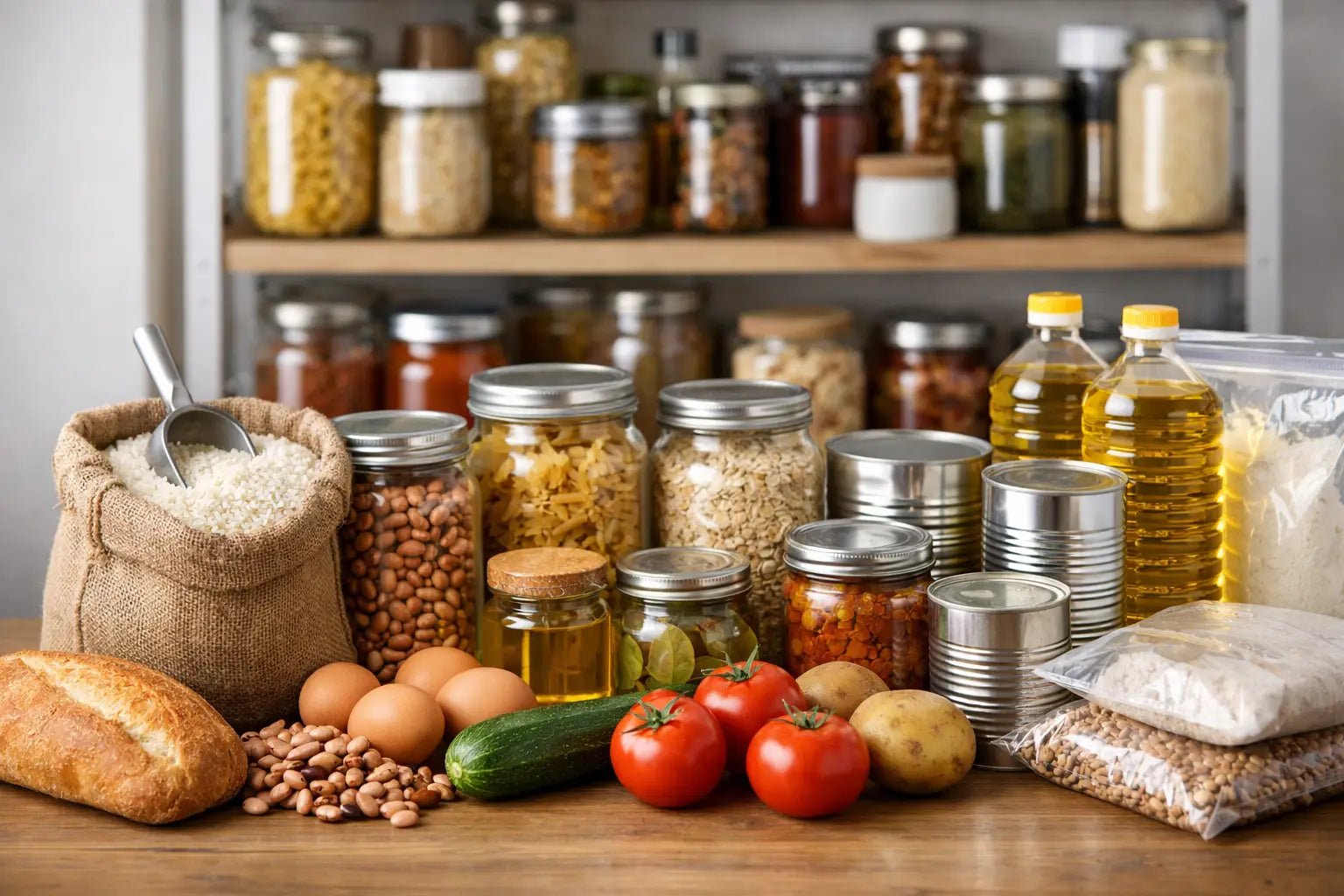
Start by thinking in meal foundations. Rice, pasta, tinned tomatoes, beans, oats, stock cubes, flour and cooking oil are useful because they support dozens of low-cost meals. They are not exciting on their own, but they lower the cost of everything around them.
It also helps to split your pantry into three groups: fillers, flavour builders and quick fixes. Fillers include pasta, rice, noodles, couscous and potatoes if you store them in a cool place. Flavour builders include chopped tomatoes, tomato purée, herbs, curry powder, garlic granules and gravy granules. Quick fixes include tinned soup, baked beans, instant noodles, crackers and cereal. Once those basics are covered, everyday cooking becomes cheaper and less stressful.
Build your cupboard in layers
Trying to stock a full pantry in one shop can feel sensible, but it often leads to overspending. A better approach is to build in layers over several shops. That way, you can spread the cost and focus on what your household actually uses.
First layer: the core basics
Your first layer should cover simple breakfasts, easy lunches and cheap dinners. Porridge oats, cereal, tea or coffee, pasta, rice, tinned tomatoes, beans, lentils, cooking oil, salt and a few seasonings are enough to make a real start. If your budget is tight, this layer matters more than extras such as sauces, snacks or baking treats.
Second layer: stretchers and backups
Once the basics are in place, add foods that make meals go further. Dried noodles, couscous, passata, peanut butter, jam, flour, sugar and long-life milk are all practical. Tinned fish can also be useful if your household eats it, especially for quick lunches or jacket potato fillings.
This is also the point to add backup items for busy days. Tinned ravioli, soup, instant mash or jarred sauces are not always the cheapest by weight, but they can stop you ordering a takeaway when time is short. Cheap shopping is not only about the lowest unit price. It is also about avoiding expensive last-minute choices.
Third layer: lower-cost variety
A pantry should not be so strict that everyone gets bored and stops using it. Add variety where it genuinely helps. That might mean tinned sweetcorn, chickpeas, chopped fruit, custard, crackers, hot chocolate or baking ingredients for low-cost treats at home. The right extras depend on your household.
Buy for your real habits, not your best intentions
Many people overspend on healthy ambition. They buy dried pulses planning to soak and cook them every week, then end up reaching for easier options. There is nothing wrong with choosing convenience if it gets used. A cheap pantry is one that matches your routine.
If you work long hours, tinned beans may be better value than dried ones because you will actually use them. If your children only eat one type of cereal, buying a giant bag of something “close enough” is not saving money if it sits untouched. Price matters, but so does use.
This is where a broad everyday retailer can help. When groceries, household goods and routine essentials are all in one place, it is easier to compare options, spot value lines and top up what you need without making multiple shops.
Look at price per unit, not just the package price
A common trap is assuming the cheapest-looking packet is the best deal. Often it is not. The smaller item may have the lowest shelf price, but the larger size can work out cheaper per 100g or per litre.
That said, bigger is not always better. If a jumbo bag goes stale or a large bottle gets forgotten in the back of the cupboard, the cheaper unit price means little. Bulk buying works best for staples you use regularly and can store properly. Rice, pasta, flour, oats, tinned goods and toilet rolls usually make sense in larger quantities. Spices, speciality sauces and novelty snacks often do not.
The cheapest pantry staples are the most flexible
If you want to know how to stock a pantry cheaply for a family, flexibility is what saves the most money over time. A few affordable staples can become many different meals depending on what else you have.
Rice can turn into chilli bowls, curry nights, fried rice or soup bulk-outs. Pasta works with tomato sauce, tuna, vegetables, cheese sauce or leftover roast meat. Oats can be porridge, flapjacks or crumble topping. Tinned tomatoes become pasta sauce, soup, casserole base or shakshuka-style eggs.
That is why plain ingredients often beat highly processed meal kits. They ask for a bit more effort, but they give you more meals for the money and reduce the need to keep buying special extras.
Keep a short list of budget heroes
Some cupboard foods consistently offer good value for UK households. Pasta, rice, noodles, oats, tinned tomatoes, baked beans, chickpeas, lentils, stock cubes, peanut butter, flour and long-life milk are all strong options. They last well, work across plenty of meals and are usually available in different price points.
Frozen and fresh foods still matter, of course, but the pantry gives those items support. If you have onions, carrots and mince in the fridge, cupboard basics can turn them into spag bol, cottage pie, chilli or soup. Without those basics, you often end up buying extra items at full price just to complete a meal.
Avoid the “cheap” buys that cost more later
Not every low-priced item is a good pantry buy. Multipacks of snacks can vanish in days and leave no meal value behind. Novelty sauces, one-off baking mixes and products bought only because they are reduced can also push up the overall spend.
It helps to ask one simple question before adding anything to your basket: what meals or uses does this give me? If the answer is vague, leave it. A cheap pantry is built on repeat value, not random bargains.
Another issue is duplicate buying. People often purchase more pasta, oil or cereal because they cannot remember what is already at home. A quick shelf check before shopping saves more than chasing tiny discounts. Even a basic note on your phone can stop waste.
Store it properly so the savings last
Good storage protects your budget. Dry goods should stay sealed, labelled if needed, and kept away from damp. Opened flour, cereal and rice need proper containers if pests or moisture are a concern. Tins should be rotated so older stock gets used first.
You do not need a showroom pantry with matching jars. Clear tubs, strong clips and a simple first-in, first-out habit are enough. The point is not appearance. The point is using what you paid for.
It is also worth setting a rough pantry limit. If your shelves are full but meals still feel difficult, you probably need fewer products and better combinations. More stock is not always better stock.
A cheap pantry starts with a meal plan, not a shopping spree
Meal planning sounds boring, but it is one of the fastest ways to bring food costs down. Not a detailed monthly spreadsheet - just a rough idea of five or six dinners and a couple of easy lunch options. Once you know the meals, you can see which pantry items deserve space and which ones keep getting ignored.
For example, if your household eats toast, porridge, pasta bakes, chilli and curry regularly, you already know your useful staples. Buy around that pattern. If no one touches couscous or fancy grains, there is no reason to stock them just because they seem sensible.
A pantry should serve your life as it is now. It should help on rushed weekdays, stretch the weekly budget and make it easier to feed the household without constant top-up trips. Start small, buy what gets used, and let your shelves build up with purpose. That is usually the cheapest way to do it - and the one that keeps paying off.

