
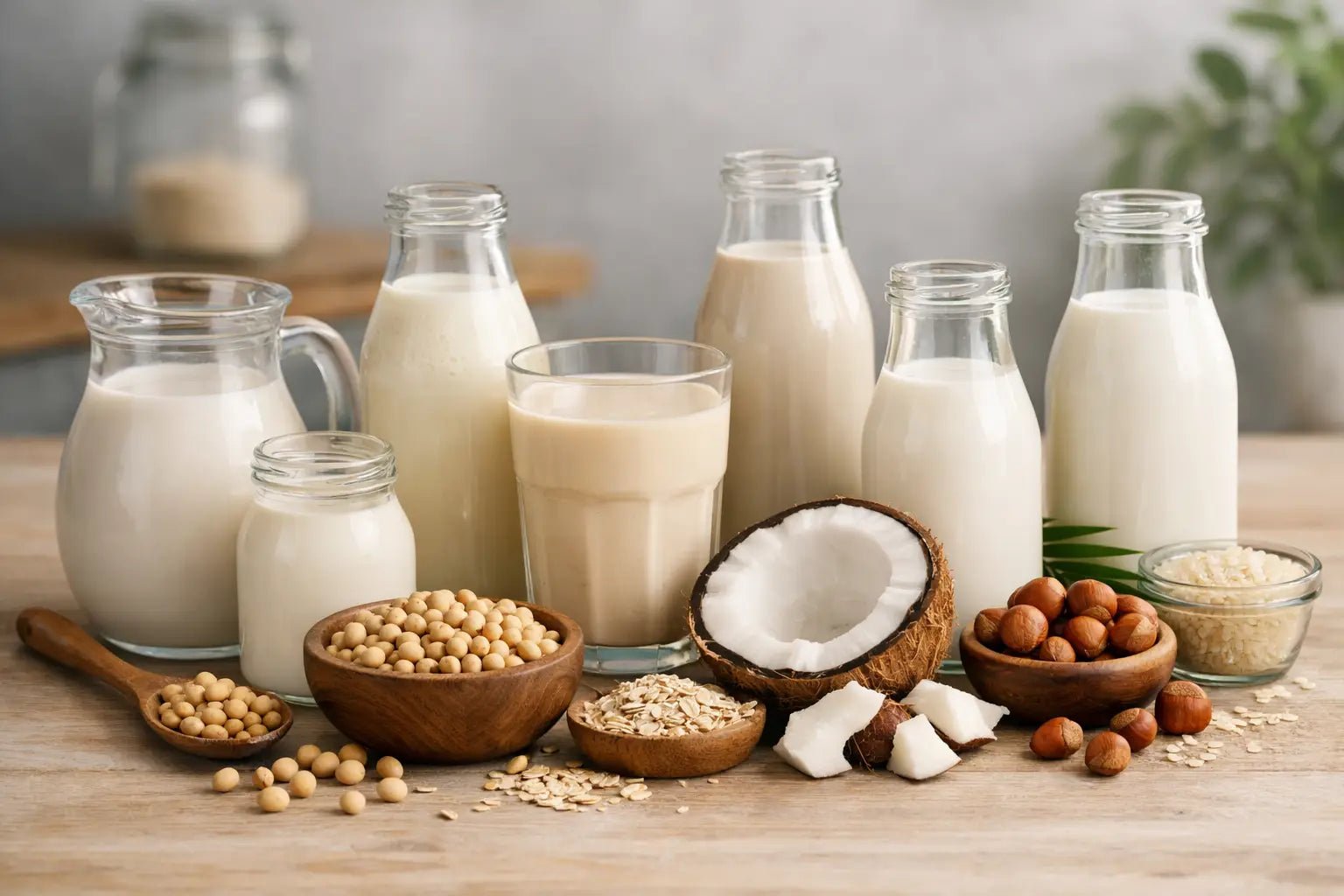
Running out of milk usually happens at the worst possible moment - halfway through breakfast, just before the school run, or when the kettle has already boiled. That is exactly why more households are looking for the best long life milk alternatives. They last well in the cupboard, help cut down emergency shop trips, and give you a practical backup for tea, coffee, cereal and cooking without paying over the odds.
For most shoppers, the right choice comes down to three things: taste, price and how often you will actually use it. Some options are better for hot drinks. Others work best in porridge, sauces or baking. And while shelf life matters, there is no real bargain in buying something cheap if nobody in the house likes it enough to finish it.
What makes the best long life milk alternatives?
The best long life milk alternatives are not all trying to do the same job. If you need something that behaves like dairy milk in tea, one option may stand out. If you want a cupboard staple for smoothies, cereal or cooking, another may offer better value. A longer shelf life is useful, but it is only one part of the decision.
Texture matters more than many people expect. Some alternatives are thin and disappear into coffee without much body. Others are creamier and can make drinks feel richer. Sweetness also varies. Even unsweetened versions can have a naturally mild sweetness, which can be fine on cereal but less appealing in a strong brew.
There is also the question of nutrition. Some products are fortified with calcium and vitamins, while others are more basic. If you are buying for a family and using it regularly, that can be worth checking. If you just want a few cartons in the cupboard for backup, price and versatility may matter more.
Oat milk is often the easiest all-rounder
For many UK households, oat milk is the safest place to start. It has a mild flavour, a texture that feels closer to standard milk than some alternatives, and it tends to work well across several everyday uses. Tea, coffee, cereal, porridge and basic cooking are all reasonable jobs for it.
Its biggest strength is balance. It is not usually as watery as rice milk, and it is not as distinctive in flavour as coconut or soya. That makes it easier for mixed households where one person wants it in coffee and another wants it over cereal. If you are keeping just one long life alternative in the cupboard, oat is often the most practical compromise.
The trade-off is price. Oat milk can cost more than some other shelf-stable options, especially branded barista-style cartons. Some versions are also sweeter than expected, even when they are not marketed as sweetened. If you prefer a cleaner, more neutral taste, it is worth checking the label carefully.
Soya milk gives strong value for everyday use
Soya milk remains one of the most useful and affordable options on the shelf. It is widely available, often cheaper than newer alternatives, and generally offers better protein levels than oat, almond or rice. For shoppers watching the weekly grocery total, that matters.
It also performs well in cooking. If you make white sauces, soups, pancake batter or overnight oats, soya milk is usually reliable. It can handle more than cereal duty, which gives it good everyday value. Unsweetened versions are often the best choice if you want flexibility.
The issue is flavour. Some people find soya milk perfectly neutral, while others notice a beany taste, especially in tea. It depends on the brand and on personal preference. If your main concern is hot drinks, buy one carton first rather than stocking up straight away.
Almond milk suits lighter use
Almond milk is popular because it is light, easy to drink and often lower in calories than other options. It can work well in smoothies, cereal and cold drinks, and plenty of shoppers like its slightly nutty flavour.
Where it can fall short is richness. In tea and coffee, some almond milks taste a bit thin. In cooking, they may not give the body you want for creamy sauces or custards. That does not make almond milk a poor buy, but it does mean it is often better as a preference purchase than an all-purpose household staple.
If you already know you enjoy the taste, long life almond milk can be a handy cupboard option. If you are switching from dairy and want the closest all-round replacement, there are usually easier choices.
Coconut milk drink is useful but more specialised
This is not the same as tinned coconut milk for curries. Long life coconut milk drinks are made for pouring on cereal or using in drinks, and they can be a good option if you like a subtle tropical flavour.
They are particularly good in smoothies, porridge and some desserts. In certain coffees, they can be pleasant too. But they are not the most neutral choice, and that matters if you want one product for everything. Coconut flavour can come through in tea, mashed potatoes or savoury sauces in a way some people do not enjoy.
This is a case where it depends on how you use it. If your household likes the taste and mostly wants it for breakfasts or sweet recipes, it can be a worthwhile long life buy. If you need something universal, it is less practical.
Rice milk is gentle but usually less filling
Rice milk has a mild flavour that many people find easy to get on with. It is often one of the gentler-tasting options and can be useful for cereal, light drinks and some baking.
The downside is texture. Compared with oat or soya, rice milk is usually thinner and less creamy. That can make it feel less satisfying in coffee and less effective in recipes where you need body. It may still suit households that want a very light option, but it is rarely the first recommendation for general use.
Value is another point to consider. Even if the carton price looks reasonable, you may end up using more of it if the thinner texture means it disappears quickly in drinks and recipes.
Pea milk and blended alternatives are worth watching
Pea-based milk and mixed plant blends are becoming more common, and some are very good. Blends can smooth out the weaknesses of single ingredients, giving you better texture, a more neutral taste or improved nutrition. Pea milk, in particular, can offer good protein and a creamier feel than some shoppers expect.
Availability can still be patchy compared with oat or soya, and pricing is not always the lowest. Still, if you see a good deal, these can be worth trying, especially if you want something with stronger nutritional value but do not enjoy soya.
Best long life milk alternatives for different jobs
If your priority is tea and coffee, oat milk is often the easiest winner, with some soya and barista-style blends also doing a decent job. For cereal and porridge, oat, almond and soya all work well depending on your taste. For cooking, soya usually offers the best mix of price, protein and versatility.
If you want the cheapest practical option for regular use, soya is hard to ignore. If you want the broadest appeal for a family cupboard, oat milk is usually the safer bet. If you only need something occasional and prefer a lighter taste, almond or rice can make sense.
There is no perfect answer for every household because daily use is different. A family making packed lunches, hot drinks and sauces every day will not shop the same way as someone who just wants a spare carton for the cupboard.
How to buy better value without wasting money
Long life products are meant to make life easier, not clutter cupboards with cartons nobody wants. The sensible approach is to match quantity to actual use. If you only use milk alternatives for backup, start with two or three cartons, not a bulk buy. Once you know what gets used, then stock up when the price is right.
Check whether the product is sweetened or unsweetened before you buy. Sweetened versions can seem fine at first, then become less useful once you try them in tea or savoury cooking. Unsweetened cartons usually give you more flexibility, which helps with value.
It is also worth looking at fortified options if the milk alternative will be part of your regular shop. A cheaper carton is not always the better buy if it does less for you nutritionally and gets used only for one purpose.
For busy homes, keeping a small mix can work better than relying on one type. You might use oat milk for drinks and soya for cooking, for example. That sounds less simple, but it can stop arguments over taste and make each carton do the job it is actually good at.
The right choice depends on your routine
The best long life milk alternatives are the ones that fit your real weekly shop, not the ones with the loudest packaging. Oat milk is the strongest all-rounder for many homes. Soya is still one of the best-value choices for regular use. Almond, coconut and rice all have their place, but usually for more specific tastes or uses.
If you are buying for convenience, start with the option most likely to be used up. A cupboard staple only saves money when it prevents waste, avoids last-minute top-up trips and works in the drinks and meals your household actually has. That is usually where the best value lives.

