
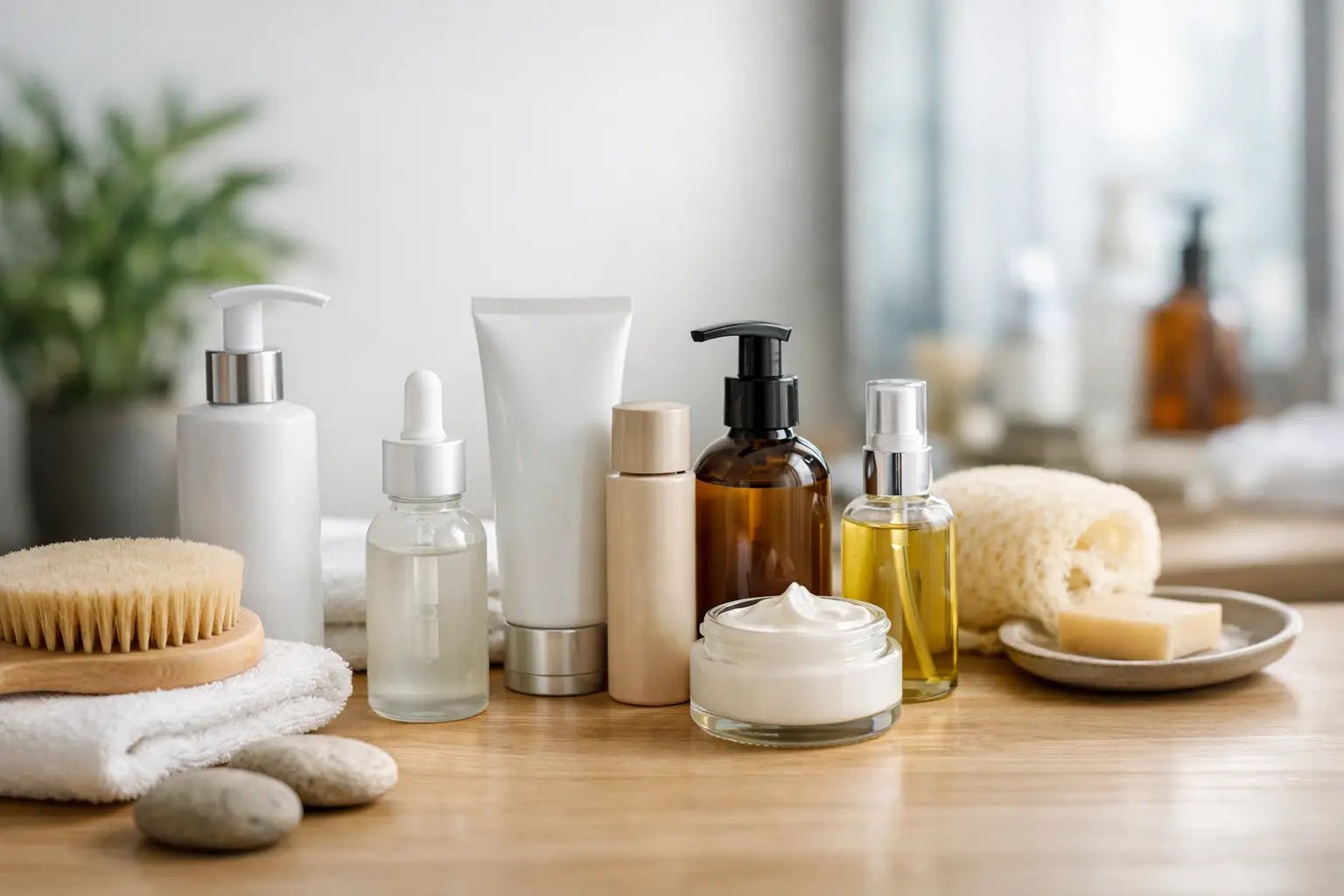
Personal care is one of those categories where small decisions can quietly add up. A shampoo that looks cheap may not last, a bulk buy may save money only if your household actually uses it, and a branded item is not always better than a simpler alternative. This guide to buying personal care is built for shoppers who want everyday essentials at sensible prices without wasting money on products that do not suit their routine.
When you shop for toiletries, skincare, oral care and hygiene products, the best buy is rarely just the lowest shelf price. What matters is value over time, how often the item gets used, whether it suits your skin or hair type, and how easily it fits into your regular household shop. If you treat personal care like any other essential category, it becomes much easier to spend less and buy better.
What a good guide to buying personal care should focus on
A useful guide should help you compare products in a practical way. That means looking past the front label and checking size, usage, ingredients, purpose and price per unit where possible. A face wash for oily skin, for example, may be poor value if it dries your skin out and pushes you to buy extra products to fix the problem. The same applies to toothpaste, deodorant, shower gel, baby care and shaving essentials.
For most households, the smartest approach is to separate personal care into two groups. First, there are the non-negotiables you replace regularly, such as soap, toothpaste, shampoo, deodorant, sanitary products and wipes. Then there are occasional or problem-solving items such as face masks, treatments, hair dye or specialist skincare. Your regular essentials should be bought for dependable value. Your occasional items need a bit more care, because they are easier to overbuy and more likely to sit unused in a cupboard.
Start with routine, not branding
Many shoppers begin with the brand they recognise. That feels safe, but it can push you into spending more than necessary. It often works better to start with your household routine. Think about what gets used daily, weekly and monthly. A family with young children will shop differently from a single adult, and someone buying for a workplace or shared property will have different priorities again.
If an item is used every day, consistency matters. You want a product people are happy to use, because unused bargains are not bargains at all. For everyday basics like hand wash or body wash, a larger format can make sense if you know it will be finished. For products with a more personal fit, such as facial moisturiser or shampoo for sensitive scalp, a smaller size may be the better buy until you know it works.
This is where a broad retailer can make life easier. If you can compare personal care alongside groceries, cleaning products and household essentials, it is easier to spot where a bigger basket saves time and where your regular items are due for restocking.
Price matters, but price per use matters more
A low price catches the eye, but it does not always mean low cost in practice. Some products need more product per use, run out quickly or fail to do the job properly. A cheaper razor that causes irritation, or a budget shampoo that leaves hair greasy by the next day, may end up costing more through repeat use or replacement purchases.
Try to think in terms of price per use. A larger bottle of shampoo may cost more upfront but be better value if it lasts twice as long. Equally, a premium-labeled skincare item may not be worth it if a straightforward moisturiser meets your needs at half the cost. For household shoppers on a budget, the best strategy is to spend where performance clearly matters and save where the difference is mostly packaging or branding.
Multi-buy deals can help, but only if they match real demand. Buying three deodorants instead of one makes sense if it is your regular product and the saving is genuine. Buying a bundle of mixed beauty items because the discount looks good is where spending can creep up.
Read labels with a practical eye
You do not need to become an ingredient expert to shop well, but you should know what you are buying. Labels tell you whether a product is aimed at dry skin, sensitive skin, damaged hair, whitening, odour control or another specific need. That sounds basic, yet plenty of wasted spending happens when shoppers buy by habit rather than fit.
For skincare and haircare, keep it simple. If your skin is easily irritated, heavily fragranced products may not be your best option. If your hair is fine, rich conditioning products may weigh it down. If you are buying for teenagers, older relatives or children, the best choice may be a straightforward daily-use product rather than something trend-led.
There is also a trade-off between specialist claims and everyday value. Sometimes the claim is worth paying for, especially with sensitivity, eczema-prone skin or targeted oral care. Sometimes it is just marketing around a product that does much the same job as a cheaper alternative. The trick is to know whether you are solving a real issue or paying extra for wording on the bottle.
Think by category, not just by item
A smart guide to buying personal care should also help you shop by category. That stops you focusing too narrowly on one product while missing the wider spend.
In oral care, for example, the basics are usually toothpaste, toothbrushes and mouthwash if your household uses it. Here, replacing essentials on time matters more than chasing novelty. In bath and body, soap, shower gel, hand wash and deodorant are often your steady repeat buys, so these are the places where bulk value can pay off. In skincare, overbuying is common, especially with cleansers, serums and masks. Unless you already know a product suits you, buying one at a time is often the safer call.
Shaving is another category where value depends on the person using it. Disposable razors may look cheaper, but refill systems can work out better over time. Then again, if you shave infrequently, a big refill pack may not be necessary. With baby care, practicality comes first. Products should be gentle, easy to use and sensibly priced because they are part of a larger household spend that already includes nappies, wipes and feeding essentials.
Avoid common buying mistakes
One of the biggest mistakes is buying too many versions of the same thing. Households often end up with three half-used shampoos, several face creams and duplicate hygiene items simply because shopping has not been planned. A quick stock check before you buy can stop that.
Another mistake is choosing the biggest pack every time. Bigger can mean better value, but only if storage space, cash flow and usage all line up. A family bathroom cupboard has limits, and tying up too much of your budget in one category can make the rest of the weekly shop harder.
It is also worth being careful with highly scented or heavily promoted products if you are buying for multiple people. A neutral, everyday option often gives better household value than a strong-fragrance item one person likes and everyone else avoids.
Shop for convenience as well as savings
Saving money is important, but so is reducing hassle. If you can buy personal care products at the same time as pantry staples, cleaning items, pet care or baby products, you cut down on repeat orders and last-minute trips. That matters for busy families, carers, and anyone managing a full household budget.
Convenience also supports better buying decisions. When your shopping is in one place, it is easier to compare across categories, stick to what you need and build a routine around repeat essentials. Honesty Sales reflects that kind of practical shopping - straightforward value, broad choice and the sort of everyday range that helps people get the weekly essentials sorted without fuss.
A better way to buy personal care over time
The smartest personal care shopping is rarely about finding one miracle bargain. It is about building a repeatable routine that gives you reliable products at prices that make sense. Know which items your household gets through quickly, where larger packs genuinely help, and which specialist products are worth paying extra for.
If you keep your buying focused on use, value and fit, personal care becomes easier to manage and cheaper to maintain. That leaves more of your budget for the rest of the household shop, which is usually where the real win is.

