
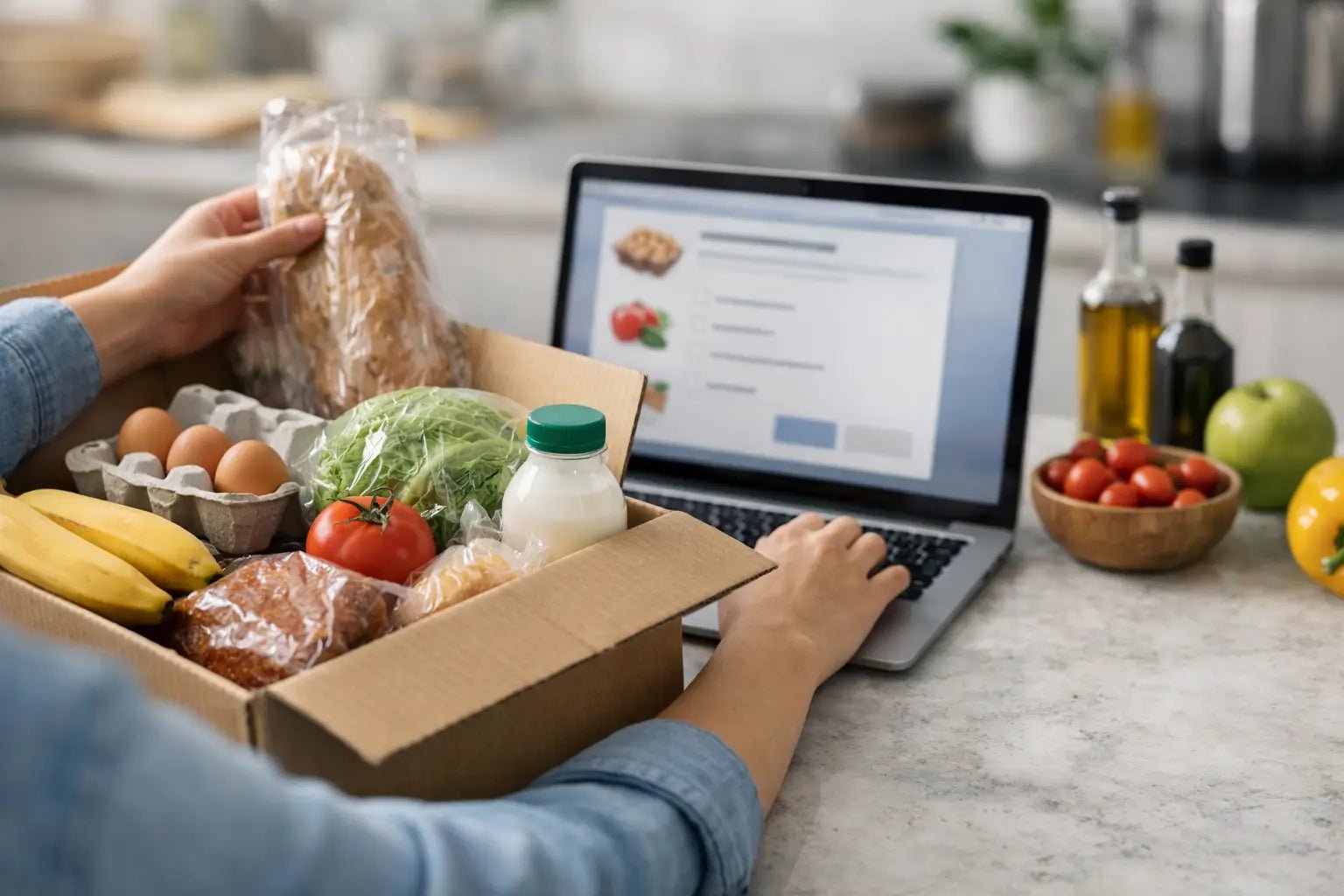
A cracked jar of pasta sauce, the wrong size nappies, a yoghurt multipack that turns up warm - grocery problems are never convenient. That is why online returns for groceries matter more than many shoppers expect. When you are buying essentials rather than treats, you need clear rules, fair refunds and a straightforward process that does not waste time or money.
For most households, grocery shopping online is about keeping costs down and getting the basics sorted in one order. The return side of that matters just as much as the checkout. If something arrives damaged, missing, incorrect or not fit for use, shoppers want a quick answer: can it be refunded, replaced or collected back without hassle?
How online returns for groceries usually work
Groceries do not sit in the same category as clothing or small electronics. A tin of beans is simple enough, but chilled food, frozen items, baby formula, toiletries and household goods all have different handling needs. That means online returns for groceries often depend on the product type, the reason for the return and the condition of the item when it arrives.
In practice, most grocery return requests fall into a few common situations. The item may have arrived damaged in transit. It may be the wrong product altogether. It may be short-dated in a way that makes it unreasonable for the buyer. Or it may have been affected by a delivery issue, such as a chilled item arriving outside a safe temperature window.
Where the issue is clearly the retailer's fault, refunds are usually more straightforward. If the customer has simply changed their mind, the answer can be different, especially for perishable goods. Shops cannot always take food back once it has left controlled storage, and that is not just policy - it is often about safety and resale rules.
Why grocery returns are different from other online returns
A jumper can often be sent back, checked and put back into stock. Fresh groceries cannot. The clock starts as soon as food leaves the warehouse, and every extra step creates risk around quality, storage and hygiene.
That is why many retailers focus less on physical return and more on refund resolution. If a pack of fruit arrives spoiled or a frozen product has thawed, the practical fix is often to provide a refund or replacement rather than asking the shopper to post it back. It is quicker for the customer and more sensible for the retailer.
There is also the issue of mixed baskets. A single grocery order may contain cupboard staples, toiletries, baby items, cleaning products and pet food. One return rule rarely covers everything. Some lines may qualify for return if unopened, while others may be non-returnable once delivered unless faulty or incorrect.
What shoppers should check before placing a grocery order
The best return is the one you never need to make. That starts with reading the product details carefully, especially when buying across a large marketplace with lots of categories and brands.
Check pack sizes, quantities and variant names. A shopper looking for six individual yoghurts can easily end up with six multipacks if they rush. The same applies to tea bags, household cleaners, baby wipes and pet food. Small differences in title or volume can make a big difference to cost and usefulness.
It also helps to review best-before or use-by expectations where they are stated, along with storage details for chilled and frozen products. If the retailer explains delivery windows, temperature handling or substitution rules, that information is worth reading before checkout rather than after a problem appears.
For value-led shoppers, price matters, but so does clarity. A low price is only a good deal when the product arriving at your door is the one you expected.
When refunds are likely to be accepted
Most customers are not trying to send back ordinary shopping for the sake of it. They simply want a fair response when something has gone wrong. In grocery retail, that usually means refunds are most likely when there is a clear issue with fulfilment, condition or product accuracy.
Damaged goods are an obvious example. If a box arrives leaking, crushed or split, the problem is visible and usually easy to assess. The same goes for missing items, duplicate charges, wrong substitutions or products that do not match the listing.
Quality issues can also justify a refund, but timing matters. If a shopper reports a problem promptly, it is easier for customer service teams to investigate and resolve it. Waiting several days after delivery can make matters less clear, especially with fresh or chilled products.
Photos often help, not because shoppers should have to prove every complaint, but because they speed up decisions. A quick picture of broken packaging, incorrect labelling or damaged contents can avoid back-and-forth and lead to a faster outcome.
What may not qualify for a grocery return
There is a practical limit to what any retailer can take back. Perishable food that has been stored outside controlled conditions is the clearest example. Even if it looks fine, it may not be safe to resell, so a physical return is often not possible.
Change-of-mind returns can also be restricted. If someone orders the wrong cereal, decides they no longer want a multipack of crisps or simply spots a better offer elsewhere, the answer may depend on whether the goods are sealed, non-perishable and covered by the shop's wider return terms.
This is where expectations matter. Grocery shopping online is built around convenience and everyday prices, not a try-before-you-buy model. Fair protections are essential, but they usually sit alongside sensible limits.
How a good grocery returns policy builds trust
A return policy is not just small print. For many shoppers, it is part of the value of the order. Low prices are important, but confidence matters too. If a retailer makes refunds difficult, any saving can feel less worthwhile.
The strongest grocery return policies do three things well. They explain the difference between damaged, faulty and unwanted items. They set out what customers should do when a problem appears. And they avoid vague wording that leaves people guessing.
That is especially important for families and regular household buyers. If you are ordering baby products, pantry staples, freezer food and toiletries together, you want to know that problems will be handled quickly. Clear protection reduces the risk of moving routine shopping online.
For a value-focused retailer, this is part of the service, not an extra. Free returns where appropriate, quick refunds for genuine issues and straightforward customer support all reduce friction and encourage repeat purchases.
Online returns for groceries in a value-led marketplace
In a broad online store, grocery returns need to work across more than one kind of shopper. A parent topping up nappies and cupboard food has different concerns from a small workplace ordering drinks, snacks and cleaning products in bulk. Both want low prices, but both also need dependable aftercare if something arrives wrong.
That is where a practical, no-fuss approach works best. Customers do not want legal language or complicated forms. They want to know who to contact, what information to provide and how long a refund may take.
Honesty Sales, like any retailer serving everyday essentials, benefits when this process stays simple. People buying regular household goods are often short on time and watching every pound. They are more likely to come back when they know support is there if an order has an issue.
Smart habits that make returns easier
A few simple checks can save time if you ever need help with an order. Open grocery deliveries soon after arrival, particularly chilled and frozen items. Compare what you received against the order confirmation while everything is still fresh and easy to review.
Keep outer packaging until you have checked for damage or missing items. If there is a problem, report it quickly and include the order number, the item name and a short description of the issue. A clear message tends to get a clearer response.
It is also sensible to separate genuine quality issues from simple preference. Retailers are far more able to help quickly when the problem is specific and factual. Saying a product arrived opened, incorrect or damaged gives customer service something they can act on straight away.
The balance between convenience and common sense
Online grocery shopping works best when it removes hassle, not when it creates a new one. Good return support should protect the customer without ignoring the realities of food safety, short shelf life and delivery handling.
That balance is why online returns for groceries are rarely identical to returns for fashion or homeware. Some items can be returned, some can only be refunded, and some depend on the exact reason for the complaint. That is normal. What matters is whether the rules are clear and the response is fair.
For shoppers, the best approach is simple: buy from retailers that explain their policies plainly, check orders as soon as they arrive and raise any issues promptly. When prices are keen and support is easy to reach, online grocery shopping becomes less of a gamble and more of a reliable way to keep the house stocked.
A fair refund process will not make a broken bottle less annoying, but it does make the next order easier to place with confidence.

