
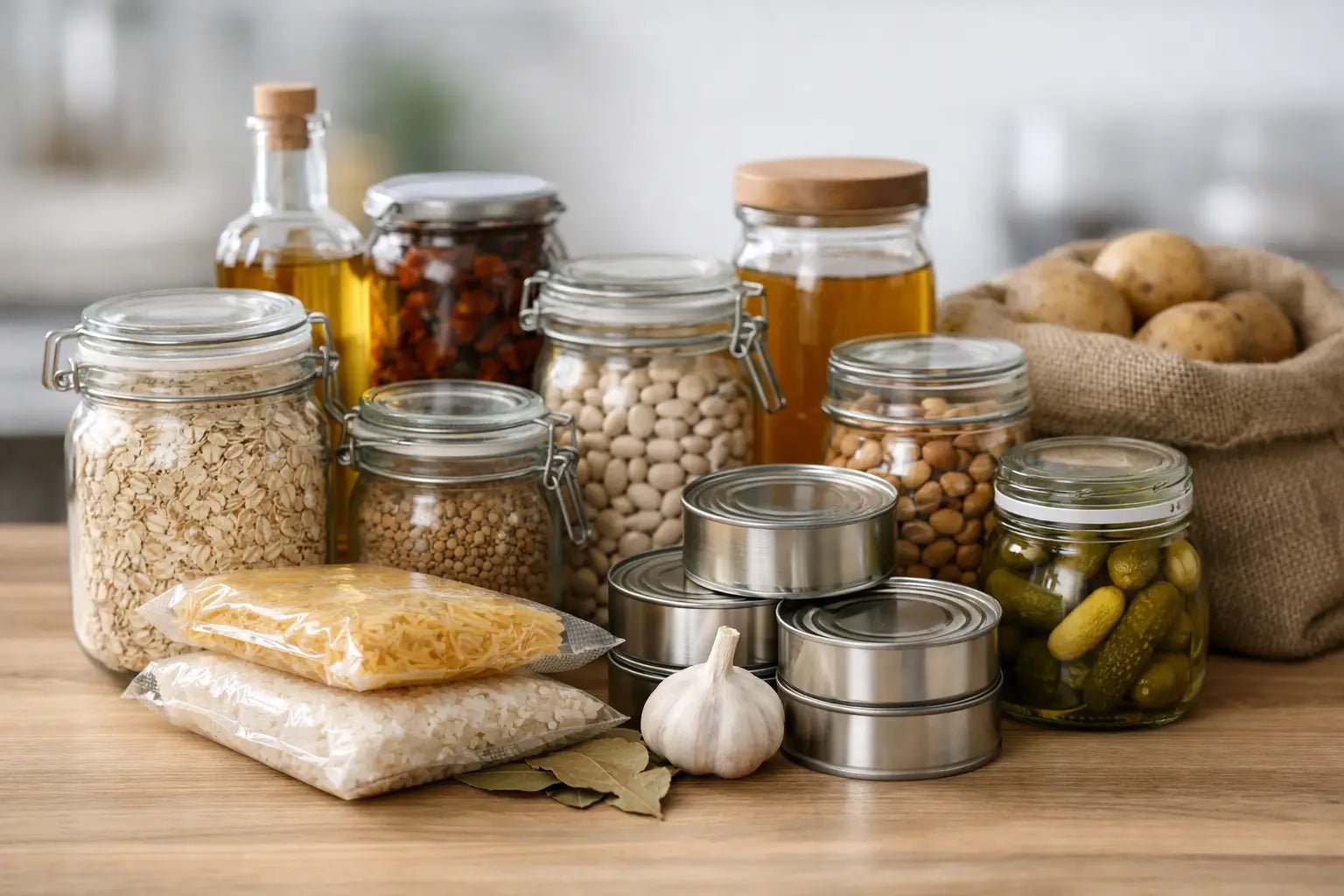
Running out of dinner basics on a busy weeknight is frustrating. Paying over the odds for a last-minute shop is worse. If you are wondering which pantry foods last the longest, the good news is that a few well-chosen cupboard staples can stay usable for months or even years, helping you save money, waste less, and keep everyday meals simple.
This is not just about buying the biggest bag and hoping for the best. Shelf life depends on the food itself, how it is packed, and where you store it. A cool, dry cupboard will do more for your grocery budget than people often realise.
Which pantry foods last the longest in a typical home?
The longest-lasting pantry foods tend to be low in moisture and minimally processed. In practical terms, that means dried goods, sugar, salt, and properly sealed tins usually outlast soft snacks, oils, and anything with nuts or wholegrains.
White rice is one of the most reliable staples to keep on hand. Stored in a sealed container away from heat and damp, it can last for years while still cooking well. It is cheap, filling, and easy to pair with beans, tinned fish, curry sauces, or soup.
Dried pasta is another strong budget buy. It keeps for a long time, takes up little space, and gives you a quick base for low-cost meals. Standard dry pasta generally holds up better than fresh pasta or filled pasta, which need refrigeration and have much shorter dates.
Dried beans, lentils, and peas are excellent for long storage too. They are affordable, useful across a wide range of meals, and high in protein and fibre. The trade-off is time. The longer they sit, the longer they may take to soften when cooked, so they are practical for planned meals rather than last-minute dinners.
Tinned foods are hard to beat for convenience. Tinned tomatoes, beans, pulses, tuna, sweetcorn, and soup often stay safe well past their best before date if the tin is undamaged and stored properly. Quality can change over time, especially texture, but for many households they are among the best value items to keep in reserve.
Sugar and salt are two of the longest-lasting pantry basics of all. They do not spoil in the usual sense if kept dry. They may clump, especially brown sugar or sea salt, but that is a storage issue rather than a sign they need throwing away.
Flour is useful, but it does not last as long as some people expect. Plain white flour generally keeps longer than wholemeal because wholemeal contains more natural oils. If you bake only now and then, buying smaller amounts may be better value than replacing a large bag that has gone stale.
Dry staples that give the best shelf life
If your goal is to build a practical, low-cost pantry, dry staples are usually the best place to start. Rice, pasta, noodles, oats, couscous, dried lentils, split peas, and pearl barley all earn their place because they store well and stretch meals cheaply.
Oats are especially handy for families. They work for breakfast, flapjacks, and simple baking, and they usually keep well when sealed. Instant oats, jumbo oats, and standard porridge oats all store reasonably well, though freshness matters if you want the best flavour.
Couscous and noodles are often overlooked, but they are useful if speed matters. They cook quickly, need little energy, and are ideal for lunches or side dishes. They may not last quite as long as rice in every case, but they still belong in a sensible long-life cupboard.
Powdered products can also be worth keeping. Milk powder, instant mash, dried soup mixes, and stock cubes are all convenient options when the fridge is running low. They are not always the cheapest item per serving, so it depends on your household, but they can prevent extra trips to the shops.
Tinned and jarred foods worth stocking
For shoppers balancing budget and convenience, tins and jars do a lot of heavy lifting. They last well, reduce waste, and help turn dry staples into actual meals.
Tinned tomatoes are one of the most flexible options because they cover pasta sauces, curries, casseroles, and soups. Tinned beans such as kidney beans, chickpeas, baked beans, and butter beans are useful for quick protein without soaking or long cooking.
Tinned fish is another smart choice if you want long shelf life with everyday practicality. Tuna, sardines, mackerel, and salmon can sit in the cupboard until needed, making them useful for sandwiches, pasta, jacket potatoes, or simple salads.
Jarred sauces, pickles, and condiments can last a good while unopened, though usually not as long as dry goods or tins. Once opened, the clock changes. A jar of pasta sauce or mayonnaise may seem like a pantry item, but after opening it usually belongs in the fridge and should be used up fairly promptly.
That is a common point of confusion with long-life food. Unopened shelf life and opened shelf life are not the same thing. A product can be perfect for stock-up shopping and still need quick use after the seal is broken.
Which pantry foods last the longest once opened?
If you want cupboard foods that still hold up well after opening, look for products with low moisture and stable ingredients. Salt, sugar, dried rice, dried pasta, and oats generally remain dependable for a long time after opening, provided they are stored in airtight containers.
By contrast, oils, nuts, seeds, wholemeal flour, and brown rice are less forgiving. They contain more natural fats, which means they can go rancid sooner, especially in warm kitchens. They are still worth buying, but they are better purchased in amounts your household will realistically use.
Crackers, cereals, and biscuits sit somewhere in the middle. They may not spoil quickly, but they lose crispness and flavour once opened. For value-focused shopping, that matters. Food that goes soft and gets ignored often ends up as waste, even if it is technically still edible.
How to make pantry food last longer
Storage matters almost as much as the product. Heat, light, moisture, and air are what shorten shelf life for most cupboard goods. A cool, dark, dry cupboard is better than a shelf beside the cooker or above the kettle.
Airtight containers help protect dry goods from damp and pests. They also make it easier to see what you have before buying more. For busy households, that can stop duplicate purchases and keep grocery spending under control.
It also helps to rotate stock. Put newer items at the back and older ones at the front so you use them in date order. This is a simple habit, but it works well, especially if you buy on offer or keep a back-up supply of staples.
Check packaging before storing anything long term. Split bags, dented tins with sharp creases, broken seals, or jars with damaged lids are not worth the risk. A bargain only saves money if the food stays usable.
Best before is not the same as unsafe
A lot of shoppers throw away perfectly good pantry food because of confusion over labels. Best before usually refers to quality, not safety. Many dry and tinned foods are still fine after that date if the packaging is intact and there are no signs of spoilage.
Use common sense here. If a tin is bulging, leaking, or badly damaged, do not use it. If dry goods smell odd, show signs of pests, or have been exposed to damp, it is better to replace them. Saving money matters, but so does avoiding a bad meal or wasted effort.
The practical approach is to treat dates as guidance, then check the condition of the food itself. For many staple products, careful storage gives you more flexibility than people think.
Building a longer-lasting pantry without overspending
The best long-life pantry is not the biggest one. It is the one you actually use. For most households, that means starting with a few dependable staples such as white rice, dried pasta, oats, tinned tomatoes, beans, soup, tuna, flour, sugar, and salt, then adding other items based on your usual meals.
That matters more than chasing extreme shelf life. A massive sack of something cheap is not a bargain if it sits untouched until it has to be thrown out. Better value comes from buying foods that last well and fit your routine.
If you shop carefully, long-life cupboard basics can cut waste, reduce emergency top-up trips, and make meal planning easier through the month. For families watching every pound, that is where pantry value really shows.
A well-stocked cupboard does not need to be fancy. It just needs to be reliable when you open the door.

